In a move that redefines the scale of private investment in artificial intelligence, Anthropic has closed a monumental $30 billion funding round at a valuation of $380 billion, according to CNBC. This landmark transaction represents not just a financial milestone for the AI safety-focused company but a seismic shift in how capital markets view the long-term potential of artificial intelligence technologies.
The Funding Landscape Transformed
The sheer magnitude of Anthropic's latest funding round dwarfs previous AI investments and places the company among the most valuable private technology firms in history. At $380 billion, Anthropic's valuation approaches that of established tech giants, signaling investor confidence that AI companies can achieve similar scale and market dominance. This round follows Anthropic's previous $7.3 billion funding in 2025, demonstrating accelerating investor appetite despite growing concerns about AI's economic and societal impacts.
What makes this funding particularly noteworthy is its timing. Coming amid increasing regulatory scrutiny of AI technologies and growing public debate about AI safety, the massive investment suggests that major financial institutions see these concerns as manageable rather than prohibitive to growth. The funding likely includes participation from sovereign wealth funds, major tech investors, and possibly government-backed entities, though specific investors were not detailed in the initial report.
Strategic Implications for the AI Industry
Anthropic's funding bonanza creates immediate competitive pressure across the AI landscape. With $30 billion in fresh capital, the company can dramatically accelerate research into its Constitutional AI approach, expand its Claude model capabilities, and potentially develop specialized AI systems for enterprise and government applications. This financial war chest also enables aggressive talent acquisition, potentially drawing researchers from academic institutions and competing AI labs with unprecedented compensation packages.
The funding round establishes a new benchmark for AI company valuations, which could trigger a wave of follow-on investments in smaller AI firms as investors seek the "next Anthropic." However, it also raises the barrier to entry significantly, potentially consolidating power among a few well-funded players. This concentration of resources in private hands, rather than public markets or academic institutions, represents a fundamental shift in how AI development is financed and controlled.
The Safety-First Narrative Meets Wall Street
Anthropic has consistently positioned itself as the "safety-first" AI company, emphasizing responsible development through its Constitutional AI framework. The massive funding suggests that this positioning has become a competitive advantage rather than a constraint on growth. Investors appear to be betting that regulatory environments will increasingly favor companies with strong safety protocols, creating a moat around Anthropic's approach.
This development raises important questions about whether safety commitments can be maintained under the pressure of delivering returns on a $380 billion valuation. Anthropic's leadership will need to balance the expectations of investors seeking rapid growth and market dominance with their stated commitment to cautious, measured AI development. How this tension resolves will provide crucial insights into whether the AI industry can successfully align profit motives with responsible innovation.
Global AI Race Intensifies
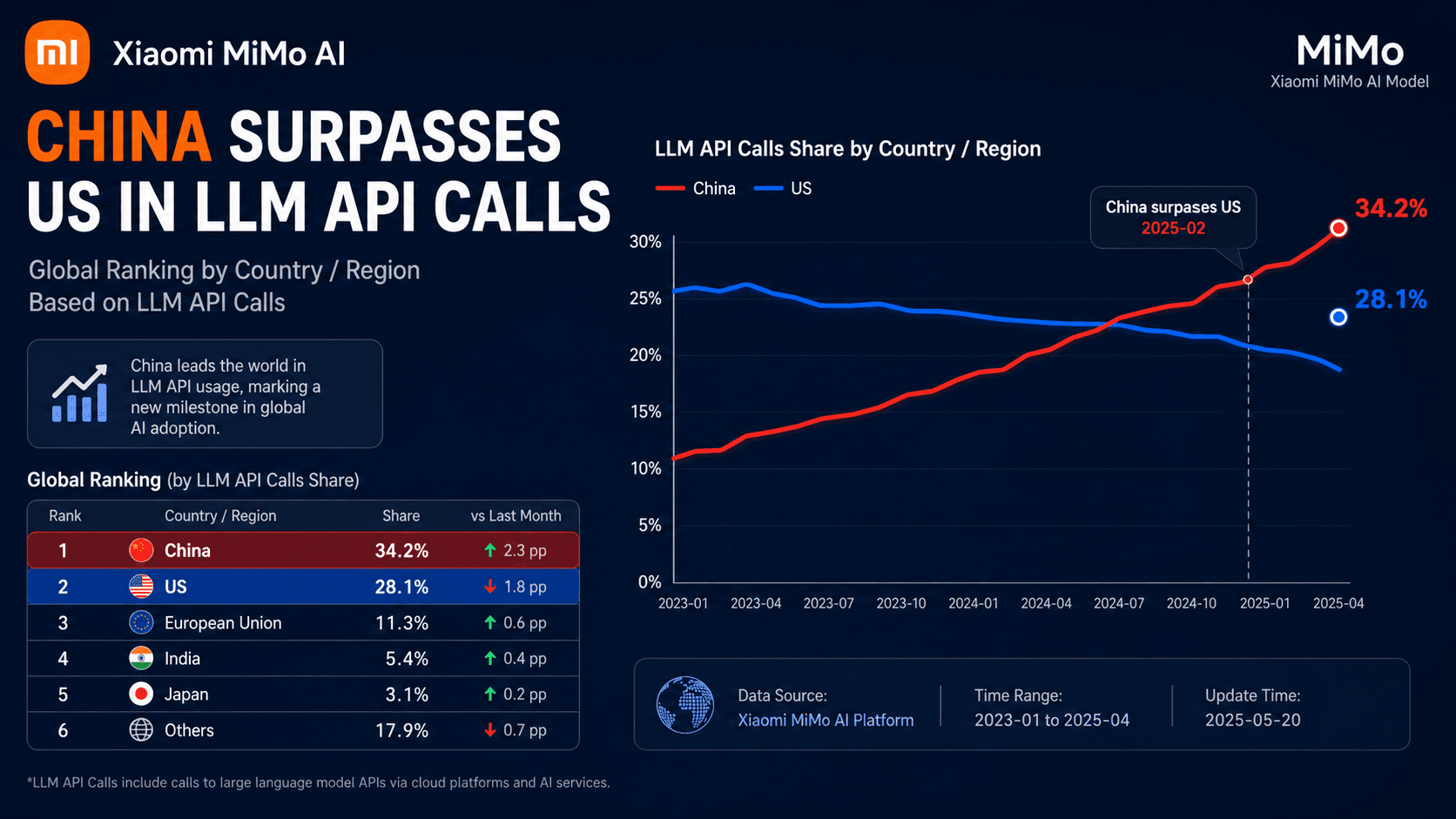
The funding round occurs against the backdrop of intensifying global competition in AI development. With China investing heavily in its domestic AI ecosystem and the European Union implementing its comprehensive AI Act, the United States appears to be relying on private capital rather than public funding to maintain technological leadership. Anthropic's $30 billion round represents a significant private-sector counterweight to state-backed AI initiatives elsewhere.
This approach has both advantages and risks. Private funding can move more quickly than government appropriations and may be less constrained by political considerations. However, it also means that development priorities are set by investors seeking returns rather than public institutions focused on societal benefit. The concentration of such massive resources in a single private company could accelerate specific AI capabilities while potentially neglecting others that might be socially valuable but less commercially promising.
Economic and Market Implications
The scale of Anthropic's funding has ripple effects beyond the AI sector. It demonstrates that institutional investors are willing to commit unprecedented sums to what remains a relatively young technology with uncertain commercial applications. This could redirect capital from other technology sectors, potentially creating investment bubbles in AI while starving other innovative areas.
For the broader economy, the funding represents both opportunity and disruption. Anthropic and similar AI companies will likely create high-paying technical jobs and potentially boost productivity across multiple industries. However, the capital concentration also raises concerns about market power and the potential for anti-competitive practices as a few well-funded players dominate critical AI infrastructure.
Looking Ahead: Sustainability and Responsibility
As Anthropic deploys its $30 billion war chest, the AI community will be watching closely to see how the company balances aggressive expansion with its safety commitments. The funding round sets a new precedent for what's possible in private AI investment, but it also raises critical questions about whether such massive private funding is sustainable or desirable for the long-term health of the AI ecosystem.
The coming years will reveal whether Anthropic can translate its financial resources into both commercial success and meaningful contributions to AI safety. The company now faces the dual challenge of justifying its extraordinary valuation while maintaining the principled approach that helped attract such significant investment in the first place.
Source: CNBC