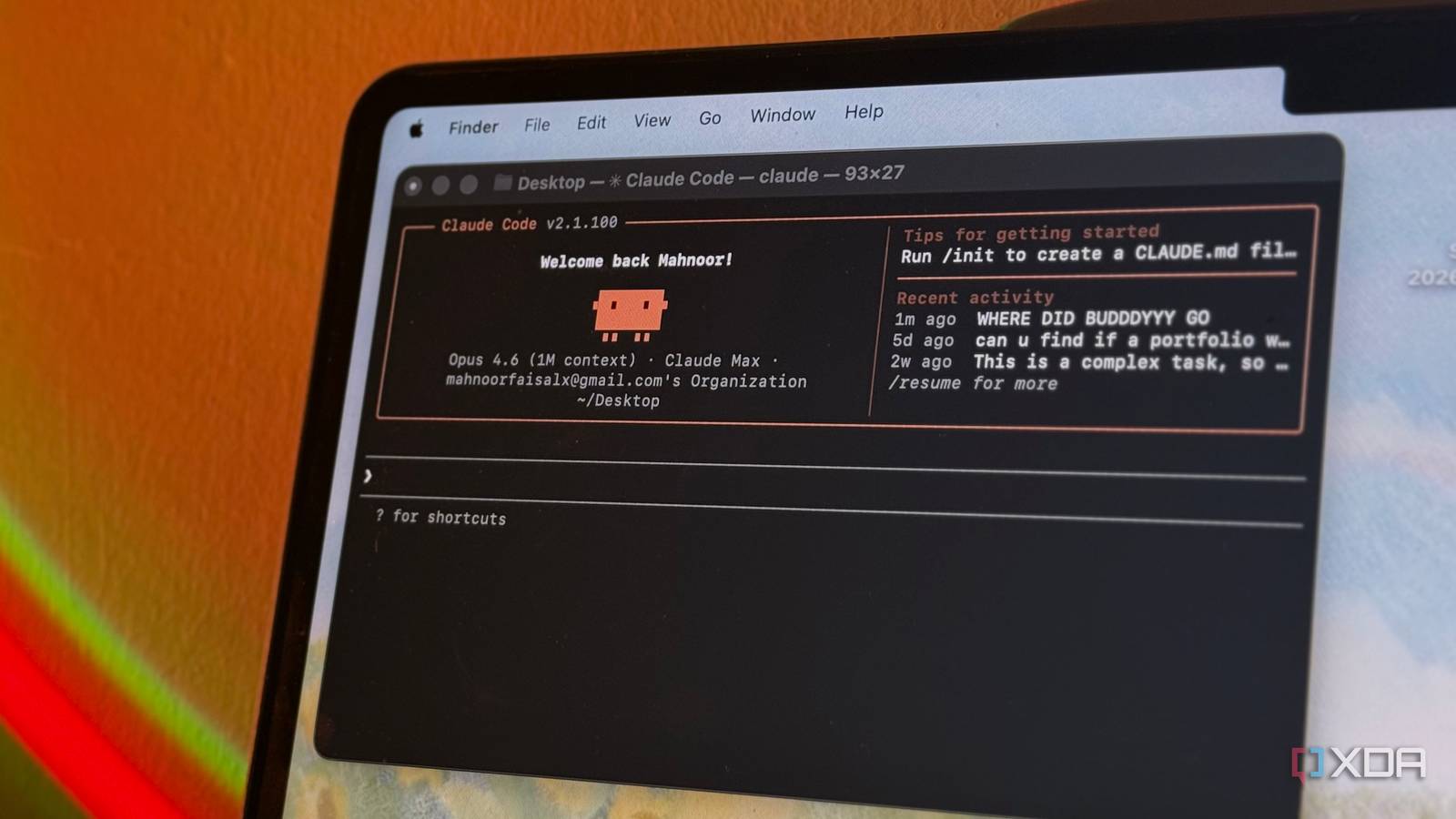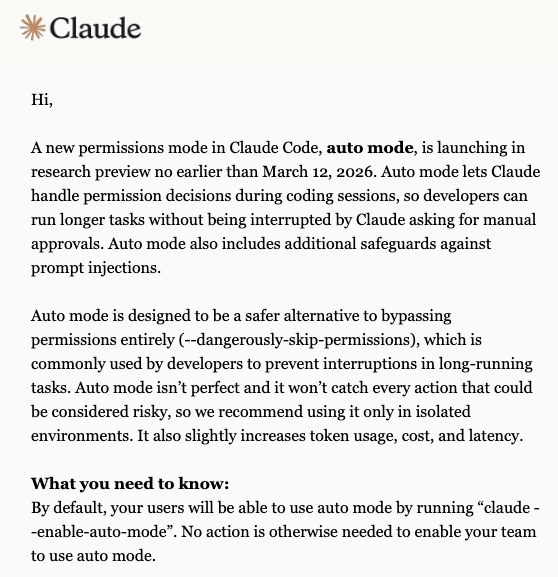
Anthropic has announced a research preview feature called Auto Mode for Claude Code, expected to roll out by March 12, 2026. This development addresses one of the most persistent frustrations in AI-assisted programming: the constant interruption of permission prompts during extended coding sessions.
The Permission Problem in AI Coding
For developers using AI coding assistants, the workflow has been plagued by frequent interruptions. Every time Claude needed to perform certain actions—accessing files, modifying code, or executing commands—it would pause and request explicit permission from the developer. While this security measure protects against unintended actions, it creates significant friction in the development process.
Before Auto Mode, developers had two unsatisfactory options: endure constant interruptions or use the --dangerously-skip-permissions flag, which removed all safety mechanisms entirely. The former slowed productivity, while the latter introduced unacceptable security risks, especially in production environments.
How Auto Mode Works
Auto Mode represents a middle ground between complete manual control and reckless automation. When enabled, Claude will automatically handle permission decisions based on context and established security protocols. The system maintains protection against known threats like prompt injections while allowing routine coding tasks to proceed uninterrupted.
According to the announcement, developers can activate Auto Mode by typing claude --enable-auto-mode once the feature becomes available. The system will run security checks in the background, resulting in a slight increase in token usage and processing time—a reasonable trade-off for uninterrupted workflow.
Security Considerations and Best Practices
As a research preview feature, Anthropic recommends running Auto Mode in isolated environments like sandboxes or containers. This precaution allows developers to test the feature's behavior without risking production systems.
For team environments, administrators can restrict Auto Mode usage through Mobile Device Management (MDM) tools like Jamf and Intune or via configuration files. This granular control ensures that organizations can maintain their security policies while giving developers flexibility where appropriate.
The Evolution of AI-Assisted Development
Auto Mode represents a significant step in the maturation of AI coding assistants. Early systems either required constant supervision or operated with dangerous autonomy. Claude's approach demonstrates how AI can take on more responsibility while maintaining appropriate safeguards.
This development aligns with broader trends in developer tooling toward reducing cognitive load and minimizing context switching. By handling routine permission decisions, Claude allows developers to maintain focus on complex problem-solving rather than administrative approvals.
Implications for Development Workflows
The introduction of Auto Mode could fundamentally change how developers interact with AI assistants. Extended coding sessions—such as refactoring large codebases, implementing complex features, or debugging intricate systems—can now proceed without constant supervision.
This capability is particularly valuable for:
- Code migration projects where repetitive changes require consistent application
- Automated testing where numerous file operations occur
- Documentation generation that involves reading multiple source files
- Code review assistance where the AI needs to examine numerous code segments
Looking Ahead: The Future of AI-Assisted Programming
Anthropic's Auto Mode preview suggests a future where AI coding assistants become more autonomous while maintaining security. As these systems better understand developer intent and project context, they can take on more responsibility for routine decisions.
The March 2026 rollout timeline gives Anthropic substantial time to refine the feature based on research preview feedback. This extended development period suggests the company is taking a cautious approach to a feature that could significantly impact developer productivity and security.
Source: Anthropic research preview announcement via @rohanpaul_ai