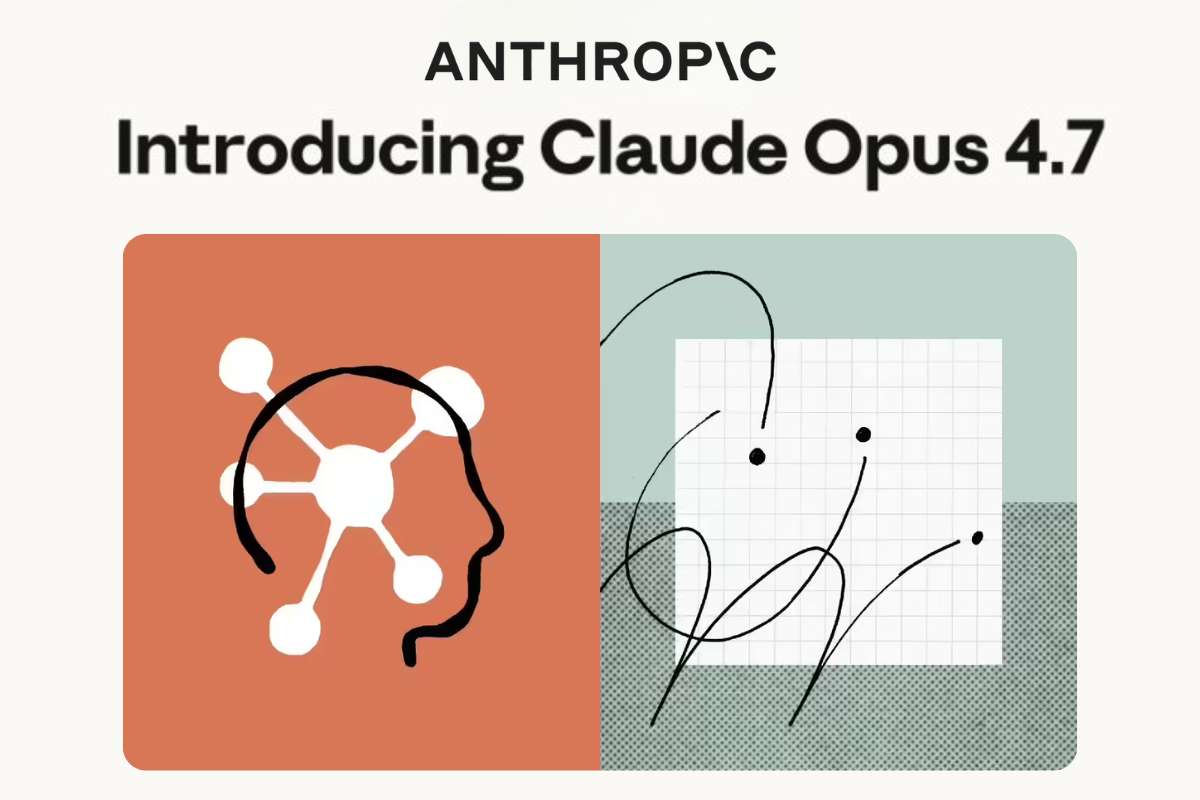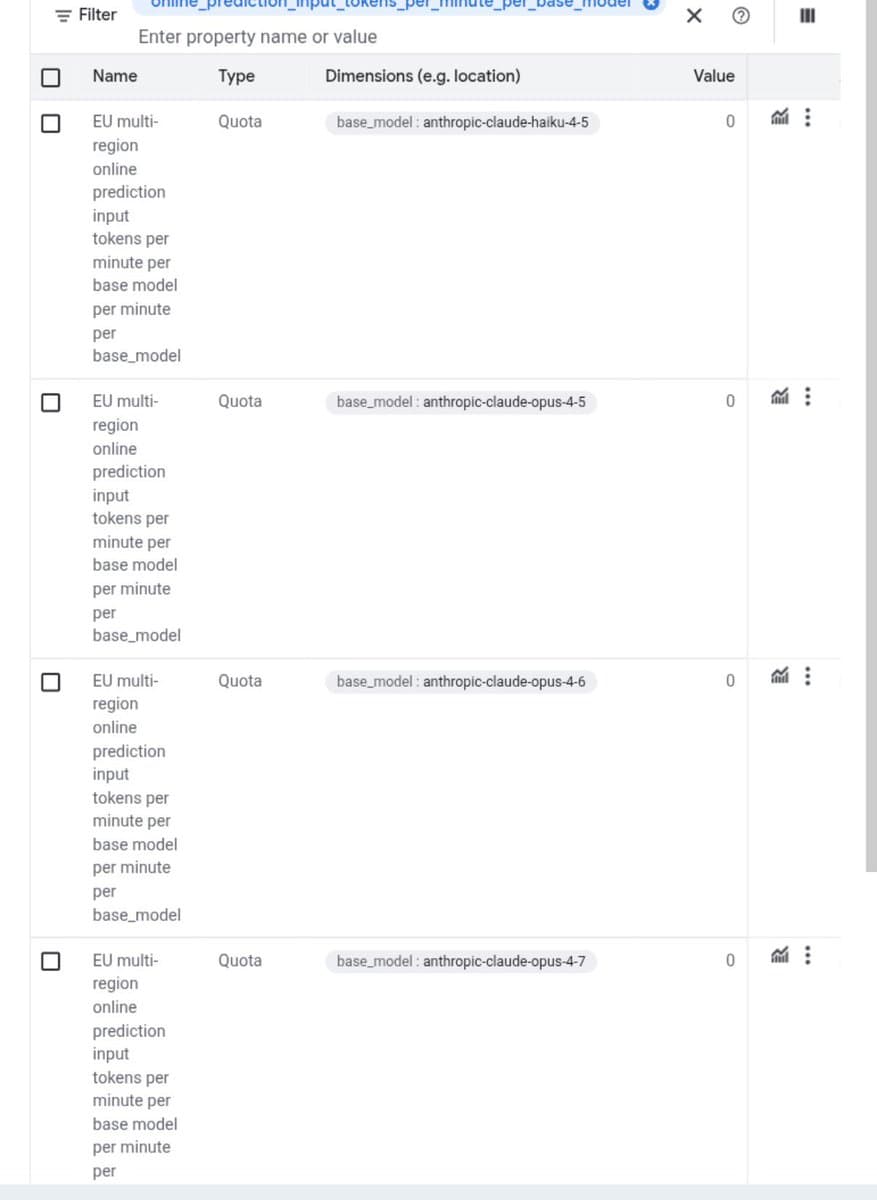
A new, unannounced version of Anthropic's flagship large language model, Claude Opus, has been spotted on Google Cloud's Vertex AI platform. A listing for "Claude 3.5 Opus 4.7" appeared in the Vertex AI Model Garden, signaling that its public release is likely imminent. The discovery was made by an X user, who shared a screenshot of the model card.
This follows the release of Claude 3.5 Sonnet in June 2024 and the subsequent Claude 3.5 Haiku. The "Opus" tier represents Anthropic's most capable and largest model family. The version number "4.7" suggests this is a significant iterative update, potentially building upon the Claude 3 Opus architecture released in March 2024.
Key Takeaways
- A new, unannounced Claude model, Opus 4.7, has been listed on Google's Vertex AI platform.
- This suggests an imminent public release and highlights the ongoing strategic integration between Anthropic and Google Cloud.
What Happened
The model listing, titled "Claude 3.5 Opus 4.7," was briefly visible within Google Vertex AI's interface, a managed platform for deploying and scaling ML models. The appearance of an unannounced model in a partner's cloud platform is a common precursor to an official launch, allowing for backend integration and testing before public availability.
Neither Anthropic nor Google has made a formal announcement regarding Opus 4.7. The listing itself provided no technical details, benchmarks, or feature changes compared to previous Opus versions.
Context: The Anthropic-Google Partnership
This discovery underscores the deepening technical and commercial integration between Anthropic and Google Cloud. In October 2023, Anthropic announced a strategic partnership with Google, which included Google making a $2 billion investment in the AI startup. A core part of the deal was Anthropic's selection of Google Cloud's Tensor Processing Units (TPUs) and Google Cloud infrastructure to train, scale, and deploy its frontier models.
Vertex AI serves as a primary distribution channel for Claude models alongside Anthropic's own API. This partnership positions Google Cloud as a direct competitor to Microsoft Azure (which hosts OpenAI's models) in the enterprise LLM platform war.
What to Expect from Opus 4.7
Based on Anthropic's versioning history, Claude 3.5 Opus 4.7 is expected to be a direct successor to Claude 3 Opus. The "3.5" designation likely aligns it with the Sonnet and Haiku 3.5 models released last year, suggesting shared architectural improvements or training data advancements.
Potential areas for improvement, extrapolating from the 3.5 Sonnet release, could include:
- Enhanced reasoning and coding capabilities: Claude 3.5 Sonnet notably outperformed its predecessor and many competitors on coding benchmarks.
- Improved long-context performance: More efficient handling of its 200K token context window.
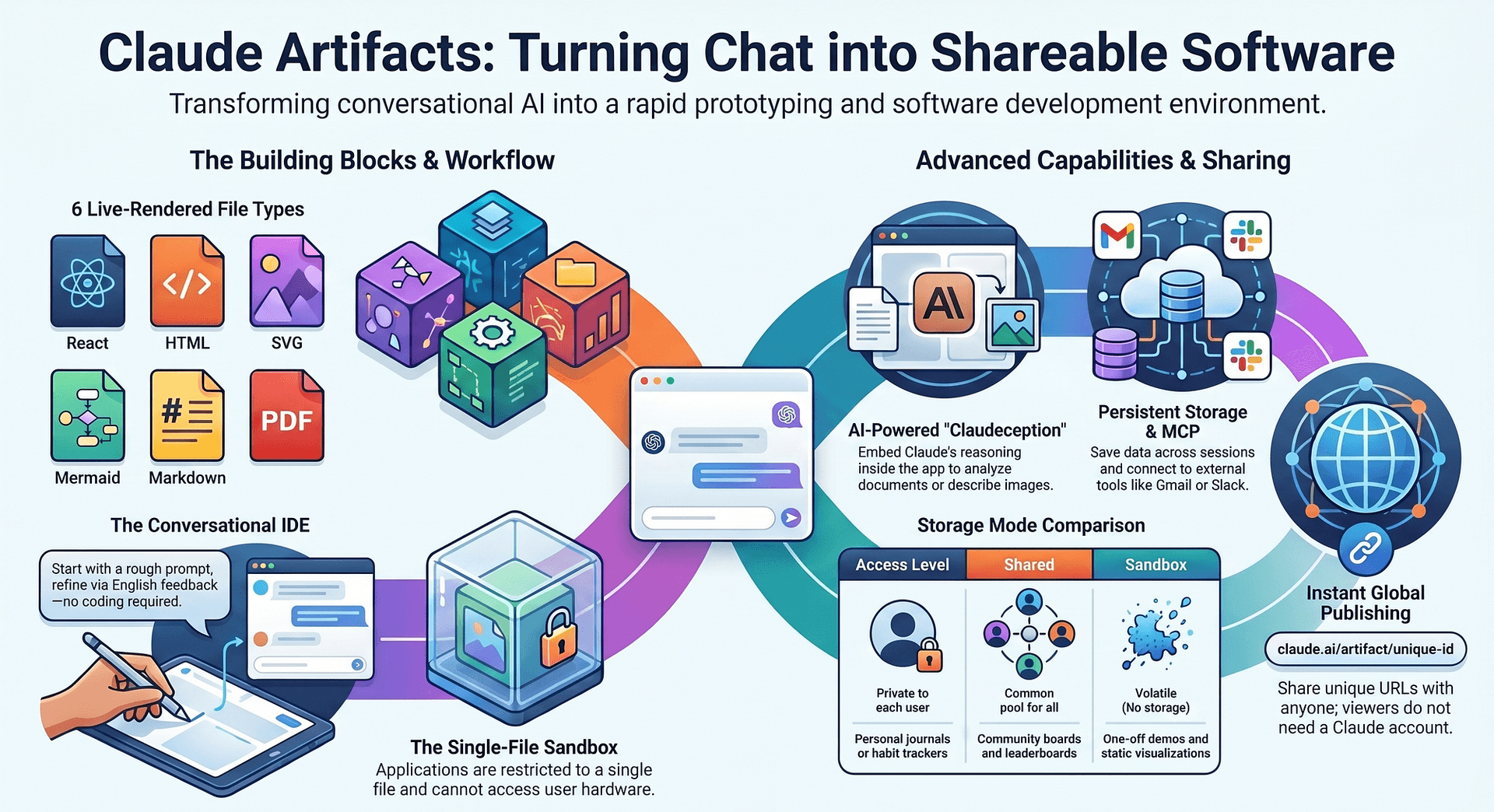
- Multimodal features: The 3.5 Sonnet release introduced the "Artifacts" feature for interactive code and document generation, which may be expanded in Opus.
- Cost and latency optimizations: While Opus is the premium tier, Anthropic has consistently worked on efficiency.
Official benchmarks and details will be necessary to confirm these speculations.
gentic.news Analysis
The appearance of Opus 4.7 on Vertex is a tactical move that reinforces two key trends we've been tracking. First, it highlights the infrastructure-as-a-battleground strategy. Google's massive investment in Anthropic was never just about funding; it was about ensuring its cloud hardware (TPUs) and platform (Vertex) become synonymous with cutting-edge AI development and deployment. This directly counters Microsoft's full-stack integration with OpenAI. As we noted in our coverage of the Google-Apple AI partnership, Google is aggressively embedding its models and those of its partners across the ecosystem.
Second, this signals Anthropic's continued rapid iteration cycle. Moving from Claude 3 Opus (March '24) to a 3.5 Opus 4.7 (likely Q1/Q2 '26) shows a development pace that aims to keep pace with or exceed OpenAI's release rhythm. The concurrent availability of Haiku, Sonnet, and Opus tiers in the 3.5 family allows Anthropic to cater to a wide spectrum of cost-performance needs, a strategy that has gained them significant enterprise traction. The imminent release of Opus 4.7 will put immediate pressure on OpenAI's GPT-5 and other frontier models, heating up the top-tier benchmark wars once again.
Ultimately, the real story is less about a version number and more about distribution. The silent listing on Vertex confirms that for enterprise clients, accessing the most powerful Anthropic models will be inextricably linked to Google's cloud ecosystem. This is a long-term play for lock-in, with cutting-edge AI as the lure.
Frequently Asked Questions
What is Claude Opus 4.7?
Claude 3.5 Opus 4.7 is the upcoming, unannounced version of Anthropic's most powerful large language model, spotted on Google's Vertex AI platform. It is the successor to the Claude 3 Opus model and part of the Claude 3.5 family that includes Sonnet and Haiku.
When will Claude Opus 4.7 be released?
There is no official release date. However, its appearance on Google Vertex AI for integration testing strongly suggests an official public release via the Anthropic API and Google Cloud is imminent, likely within weeks.
How is Opus 4.7 different from Claude 3 Opus?
Specific technical differences are unknown until Anthropic publishes details. Based on the jump to the "3.5" family, it will likely feature improvements in reasoning, coding, long-context understanding, and efficiency, similar to the gains seen when Claude 3.5 Sonnet replaced Claude 3 Sonnet.
Do I need Google Cloud to use Claude Opus 4.7?
No. Historically, new Claude models are released simultaneously on Anthropic's own API platform and on partner platforms like Google Vertex AI and Amazon Bedrock. Users will have the choice of accessing it directly from Anthropic or through their cloud provider.