In a bold declaration that could reshape the semiconductor landscape, Broadcom CEO Hock Tan announced during the company's March 2026 earnings call that he expects the company's AI chip sales to surpass $100 billion in 2027. This projection represents a seismic shift in the artificial intelligence hardware market, which has been largely dominated by Nvidia Corporation in recent years.
According to Bloomberg's coverage of the announcement, Tan stated, "We have line of sight" to reach this milestone, adding that "We have also secured the supply chain required to achieve this." The company currently projects AI chip revenue of $10.7 billion for the current quarter, indicating the massive growth trajectory Tan envisions over the coming year.
The Competitive Landscape
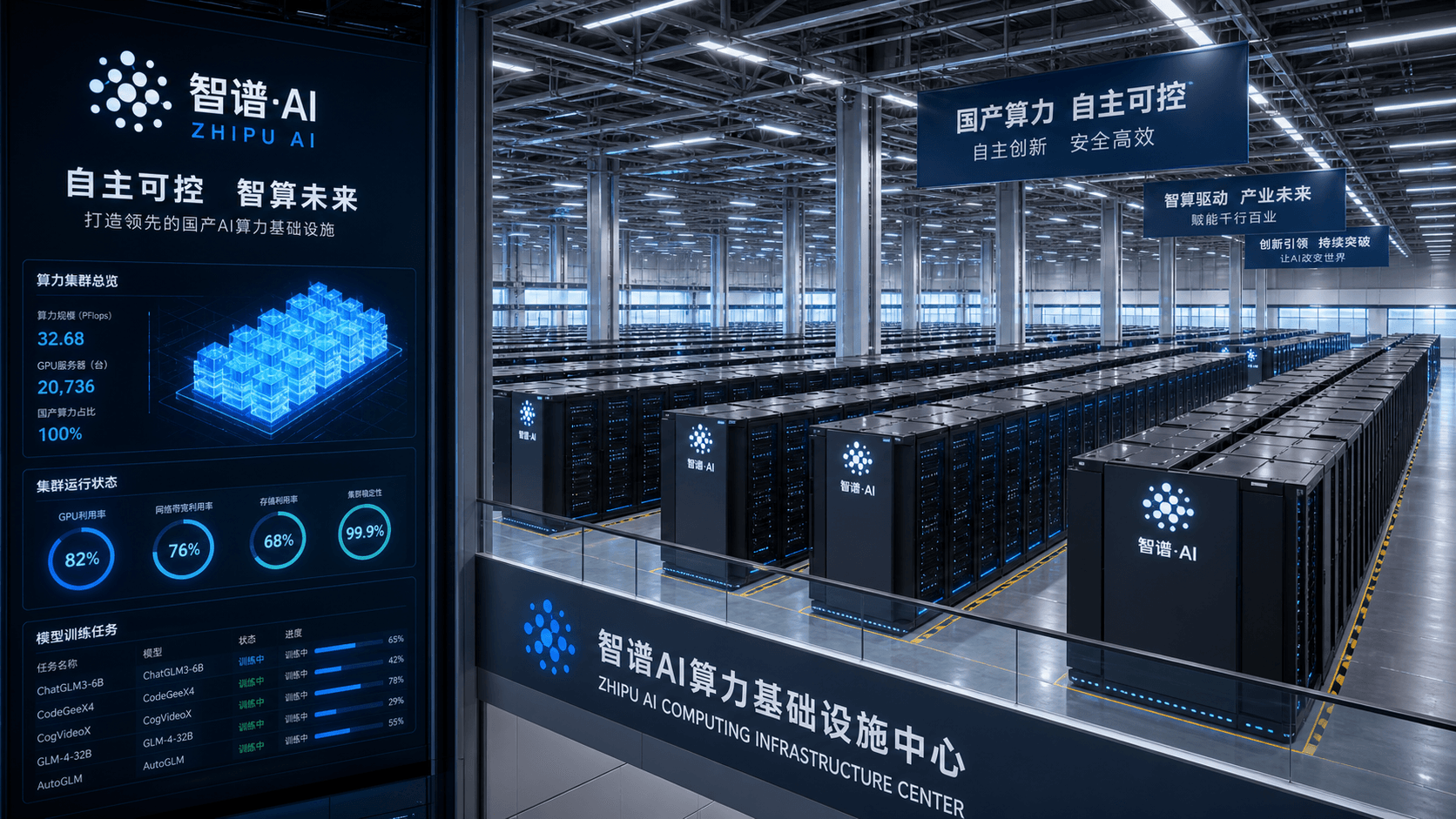
Broadcom's forecast places it squarely in competition with Nvidia, which has enjoyed near-total dominance in the AI accelerator market. The $100 billion projection suggests Broadcom is positioning itself not merely as a niche player but as a primary challenger to the current market leader. This development comes as the global demand for AI computing power continues to expand exponentially across industries from cloud computing to autonomous systems.
Tan's confidence appears rooted in Broadcom's established position in networking and custom silicon solutions. The company has been a significant supplier to major technology firms, including Apple and Google, giving it both manufacturing expertise and established customer relationships that could be leveraged in the AI space.
Supply Chain Implications
The CEO's mention of securing supply chains highlights one of the critical challenges in semiconductor manufacturing. The AI chip market has been constrained by production capacity, with companies competing for limited foundry space at TSMC and other manufacturers. Broadcom's claim to have secured necessary supply suggests strategic partnerships or capacity reservations that could give it a competitive advantage in meeting surging demand.
Anthropic's Pentagon Talks Resume
In related AI industry news, Bloomberg reported that Anthropic has restarted discussions with the Pentagon regarding military applications of artificial intelligence. This development follows previous tensions between the AI research company and the U.S. Department of Defense over ethical concerns surrounding military AI use.
The resumption of talks suggests evolving attitudes within both the defense establishment and leading AI companies about the role of advanced AI in national security. Anthropic, known for its Constitutional AI approach emphasizing safety and ethical considerations, brings a distinctive perspective to these discussions compared to other AI firms.
Manufacturing Modernization Efforts
The Bloomberg segment also covered manufacturing startup Nominal, which recently secured funding from Founders Fund. According to General Partner Trae Stephens and Nominal CEO Cameron McCord, the company aims to modernize manufacturing processes, potentially creating synergies with the AI hardware ecosystem Broadcom is targeting.
Market Context and Implications
The AI accelerator market has been growing at an extraordinary pace, driven by increasing adoption of large language models, computer vision systems, and other AI applications. Broadcom's forecast suggests the company believes this growth will continue or accelerate through 2027, with total market size potentially exceeding previous estimates.
For enterprise customers, increased competition in the AI chip market could lead to more options, potentially better pricing, and specialized solutions tailored to different AI workloads. This diversification of supply could also reduce dependency on single vendors, increasing resilience in critical AI infrastructure.
Technical Considerations
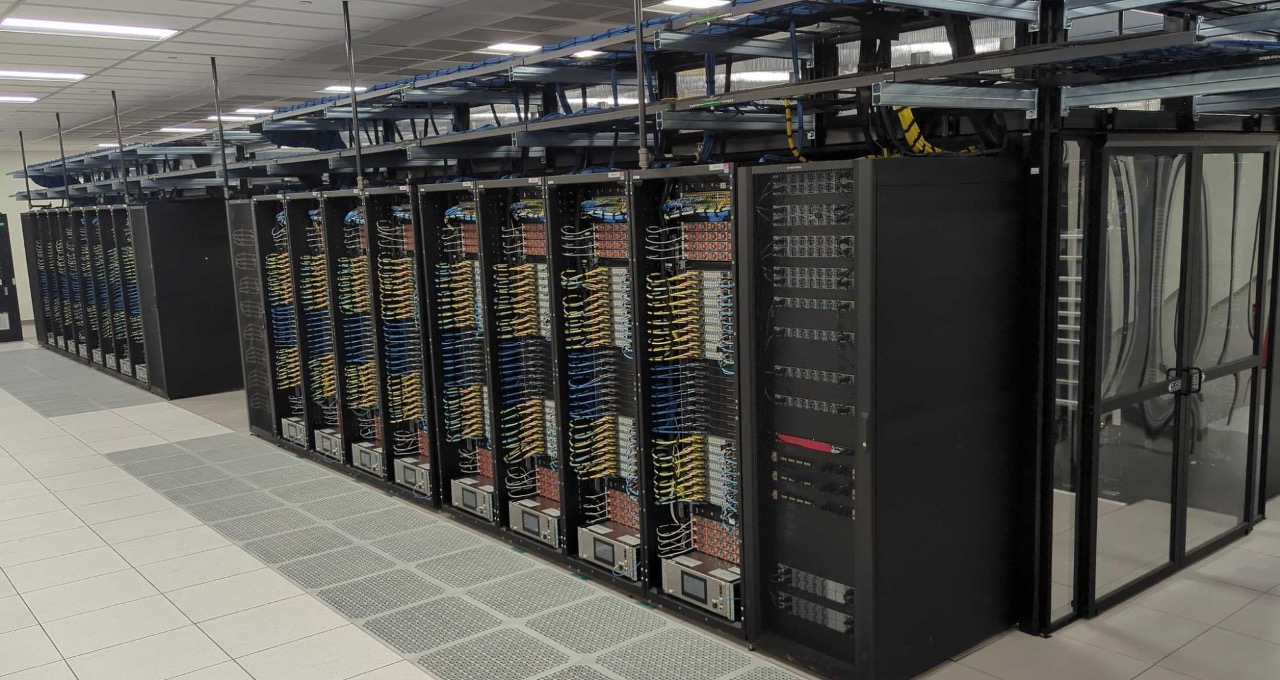
AI accelerators, or neural processing units (NPUs), represent specialized hardware designed specifically for artificial intelligence workloads. These chips differ from general-purpose processors in their architecture, which is optimized for the matrix operations fundamental to neural network training and inference.
Broadcom's entry at this scale suggests the company has developed or acquired significant expertise in NPU design, possibly building on its experience with application-specific integrated circuits (ASICs) for networking and other specialized functions.
Industry Response and Future Outlook
The semiconductor industry will be watching closely to see how Nvidia responds to Broadcom's ambitious forecast. Increased competition typically drives innovation, potentially accelerating advancements in AI chip efficiency, performance, and specialization for different AI applications.
Other players in the space, including AMD, Intel, and various startups, may also adjust their strategies in response to Broadcom's declared intentions. The $100 billion projection could attract additional investment into the AI hardware sector, further fueling innovation.
Ethical and Strategic Dimensions
The parallel development of Anthropic's renewed engagement with the Pentagon highlights the complex ethical landscape surrounding advanced AI. As AI capabilities grow more powerful, questions about appropriate use cases, safety measures, and governance become increasingly urgent.
Broadcom's potential role as a major supplier of AI chips to both commercial and possibly government customers places it at the intersection of technological advancement and these ethical considerations. The company's approach to responsible AI hardware development may become as important as its technical specifications.
Conclusion
Broadcom's $100 billion AI chip forecast for 2027 represents more than just corporate optimism—it signals a fundamental shift in the AI hardware ecosystem. If achieved, this milestone would mark Broadcom's transformation from a diversified semiconductor company to a central player in the AI revolution.
Coupled with Anthropic's resumed Pentagon discussions and ongoing manufacturing modernization efforts, these developments paint a picture of an AI industry maturing rapidly, with implications for technology, business, and society that will unfold over the coming years.
Source: Bloomberg Tech, March 5, 2026