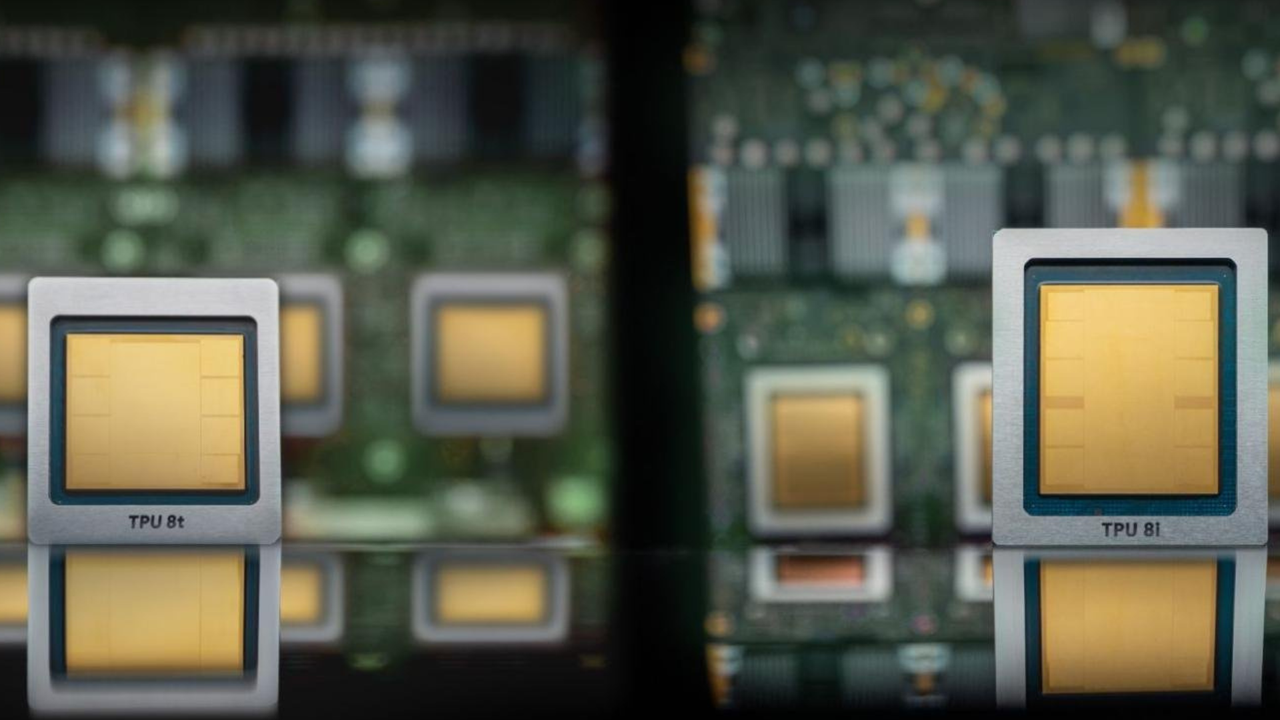
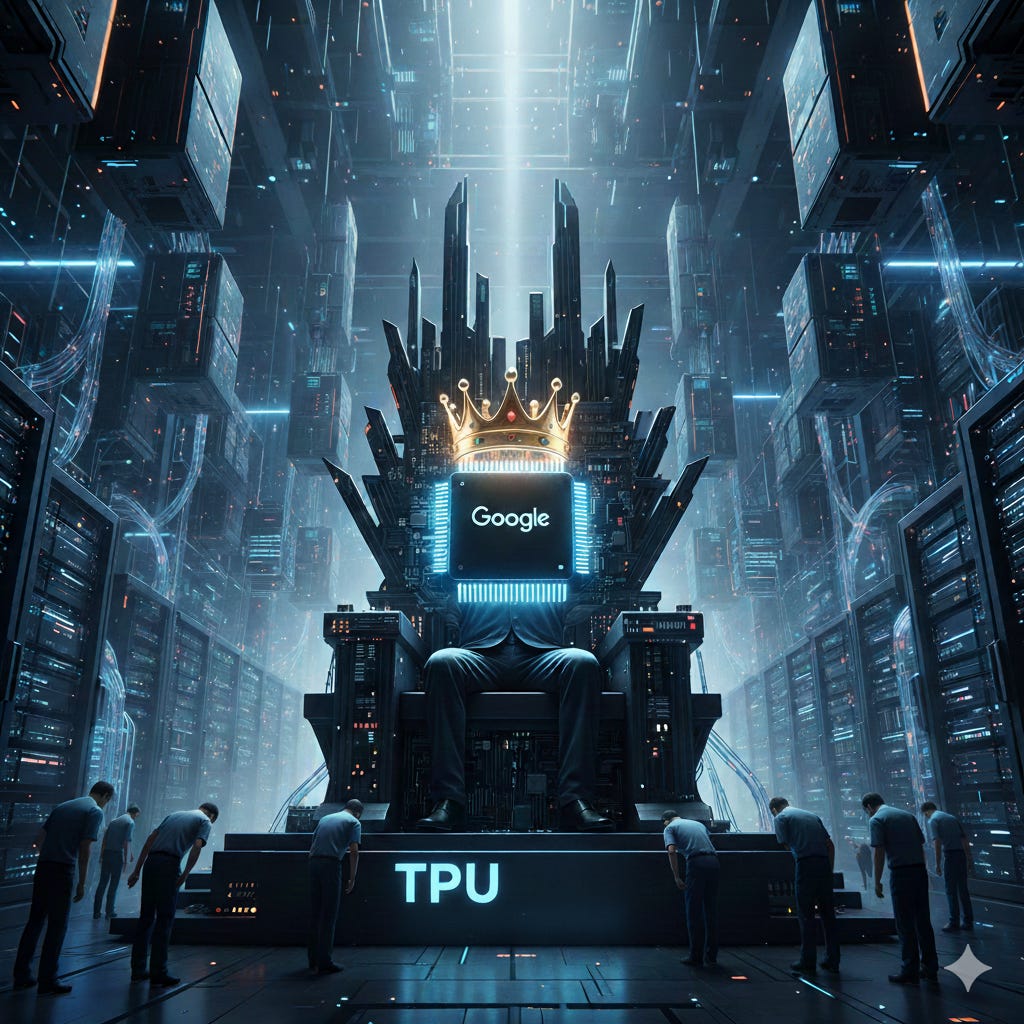
Google will sell its TPU accelerators to a select group of customers for use in their own data centers. The company also raised its capital expenditure forecast for Q1 of fiscal year 2026.
Key facts
- TPU sales to select customers for their own data centers.
- Capex forecast raised for Q1 FY2026.
- Google's $5B Texas data center for Anthropic.
- Google's $15B India data center project.
- TPUv8 demand highlighted in Q1 earnings.
Google will sell its TPU accelerators to a select group of customers for use in their own data centers, according to a report from Data Center Dynamics. The company also raised its capital expenditure forecast for Q1 of fiscal year 2026, signaling confidence in rising AI infrastructure demand.
The unique take: This move transforms Google from a pure cloud vendor to a chip supplier, directly challenging Nvidia's dominance in the AI accelerator market. Historically, TPUs were reserved for Google's internal workloads and Cloud customers via rental. Selling them outright creates a new revenue stream and validates the TPU architecture for enterprise deployment.
Data Center Dynamics reports that the sales are limited to a "select group of customers," though Google did not disclose specific buyers or pricing. The capex increase comes as Google invests heavily in data centers, including a $5 billion Texas facility for Anthropic and a $15 billion India project announced in April 2026 [per the source].
This strategy mirrors Amazon's approach with Trainium and Inferentia chips, which are also sold to select customers. However, Google's TPU lineage—spanning generations from v1 to v8—offers a mature software stack via TensorFlow and JAX, potentially easing adoption for enterprises already using Google's ML ecosystem.
Competitive Dynamics
Nvidia's H100 and B200 GPUs command the AI training market, with competitors like AMD, Intel, and startups (e.g., Groq, Cerebras) vying for share. Google's TPU sale could fragment the market, particularly for inference workloads where TPUs are optimized. The company's Gemini models already run on TPUs, providing a real-world validation for performance claims [according to Google's blog].
Analysts will watch for adoption metrics. If Google's TPU customers include hyperscalers or large AI labs, it could signal a shift in the chip supply chain. The capex increase—undisclosed in size—suggests Google is betting on sustained demand.
What to watch
Watch for Google's Q1 FY2026 earnings call on April 29, 2026, for TPU sales revenue disclosure and customer names. Also monitor whether Nvidia responds with pricing adjustments or new enterprise licensing for its GPUs.
[Updated 01 May via gn_dc_power]
Data Center Knowledge reports that Google's deal with Anthropic now includes a 5 GW compute commitment, pre-selling AI capacity at gigawatt scale. This shifts how AI infrastructure is financed and allocated, pairing capital with long-term compute guarantees. The scale dwarfs typical cloud contracts and signals that Google is locking in anchor tenants for its massive data center buildout, including the $5B Texas facility for Anthropic [per Data Center Knowledge].