Browser-use open-sourced a video editor that runs inside Claude Computer Use. The tool challenges Adobe Premiere by replacing manual timeline editing with natural language commands.
Key facts
- Open-sourced video editor runs inside Claude Computer Use.
- Natural language commands replace manual timeline editing.
- Available now on GitHub under open-source license.
- Challenges Adobe Premiere with AI-native workflow.
- Built on browser-use framework for desktop automation.
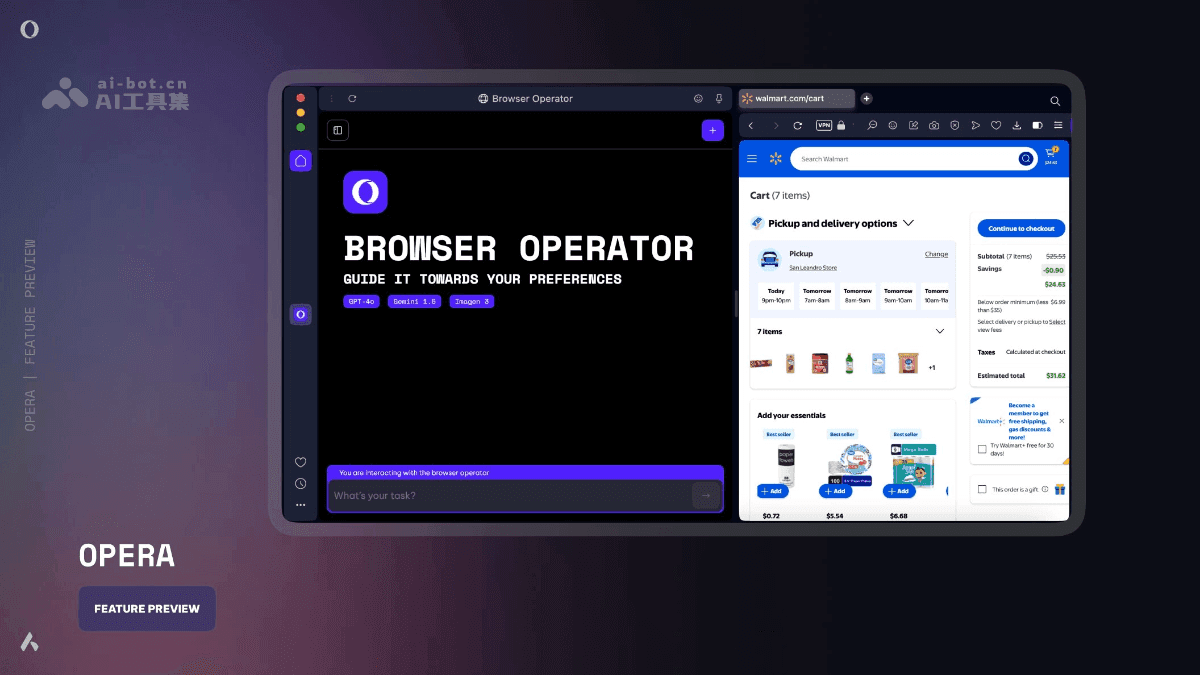
The browser-use team according to @aiwithjainam just open sourced a video editor that runs entirely inside Claude Computer Use. The editor operates through natural language commands, leveraging Claude's ability to control desktop applications via vision and mouse/keyboard actions. No timeline, no manual cuts—users describe edits in plain text and the AI executes them.
The move positions AI-native editing as a direct alternative to traditional tools like Adobe Premiere. By running inside Claude Computer Use, the editor bypasses the need for specialized video editing software or plugins, relying instead on Claude's general-purpose computer control capabilities. The tool is available now on GitHub under an open-source license.
This is not the first AI video editing attempt—tools like Runway ML and Descript have offered AI-assisted editing for years. But those tools are standalone applications with their own interfaces. The browser-use team's approach is different: it treats video editing as a task that Claude can perform on any existing video file, using the same infrastructure as Claude's broader desktop automation. The editor's effectiveness depends on Claude's ability to accurately parse video frames and execute precise edits, which may limit it to simpler tasks compared to professional tools.
The open-source release means developers can inspect, modify, and extend the editor's capabilities. The team did not disclose usage numbers or performance benchmarks, and it remains unclear how well the editor handles complex edits like multi-track audio, color grading, or effects. The project's GitHub repository shows the editor is built on top of the browser-use framework, which itself is open source.
What to watch
Watch for early community benchmarks on GitHub—specifically, how many edit types (cuts, transitions, effects) the editor handles reliably, and whether Adobe or CapCut responds with their own AI-native editing integrations.