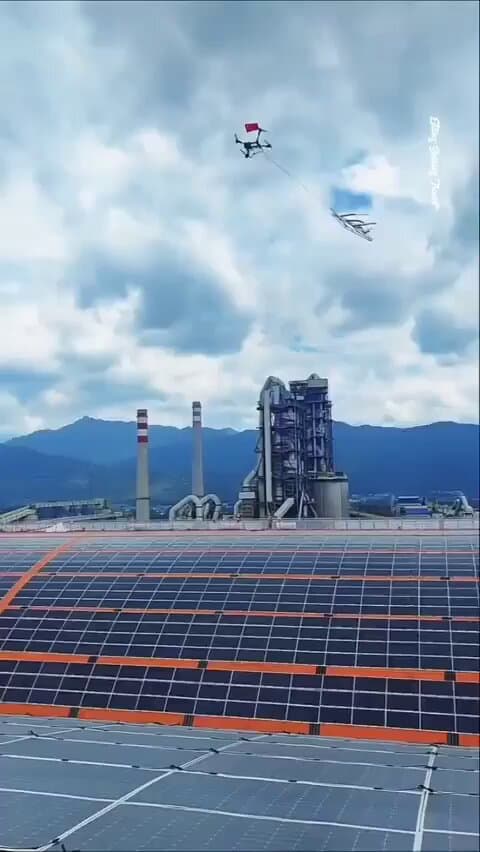
A breakthrough in solar technology has emerged from China, where a company has developed flexible solar panels that can be directly adhered to rooftops using adhesive backing. This innovation promises to significantly simplify solar installation processes that have traditionally required complex mounting systems, specialized labor, and structural considerations.
The Technology Behind the Innovation
While the source doesn't specify the company name or technical details, the development represents what appears to be a next-generation approach to photovoltaic integration. Traditional solar installations typically involve rigid panels mounted on aluminum racks that must be secured to roof structures, often requiring drilling, waterproofing measures, and structural assessments.
This new flexible panel technology eliminates much of that complexity. The adhesive-backed design suggests a peel-and-stick application method that could transform how homeowners and businesses adopt solar energy. The flexibility mentioned indicates the panels can conform to various roof surfaces, potentially including curved or irregular structures that were previously unsuitable for conventional solar installations.
Installation Revolution
The most significant advancement reported is the dramatic simplification of installation. Current solar installations can take days or even weeks from assessment to completion, involving multiple contractors for electrical work, structural engineering, and physical installation. This new technology could potentially reduce installation to a matter of hours with minimal specialized labor.
This has profound implications for:
- Residential adoption: Homeowners could potentially install solar themselves or with minimal contractor assistance
- Commercial applications: Large-scale deployments on warehouses, factories, and commercial buildings could be accelerated
- Developing regions: Areas with limited access to specialized solar installers could benefit from simpler technology
- Retrofit projects: Older buildings with structural limitations could now accommodate solar more easily
Market and Environmental Implications
The development comes at a critical time in the global energy transition. Solar energy capacity has been growing exponentially worldwide, but installation bottlenecks, labor shortages, and cost barriers have remained significant challenges. This innovation addresses several of these constraints simultaneously.
From an environmental perspective, simpler installations mean:
- Reduced manufacturing complexity (fewer mounting components)
- Lower transportation emissions (lighter, more compact products)
- Faster deployment of clean energy solutions
- Potential for integration into more urban and built environments
Competitive Landscape and Future Development
While Chinese companies have been leaders in solar panel manufacturing for years, this innovation represents a move up the value chain into installation technology and system design. It follows broader trends in the solar industry toward building-integrated photovoltaics (BIPV) and easier-to-deploy solutions.
The technology raises questions about durability, efficiency, and long-term performance that aren't addressed in the source material. Key considerations for future development would include:
- Adhesive performance in various weather conditions
- Panel efficiency compared to traditional rigid panels
- Maintenance and removal procedures
- Recycling and end-of-life management
- Integration with existing electrical systems
Global Impact Potential
If successfully commercialized, this technology could accelerate solar adoption globally by lowering both hard costs (equipment, installation labor) and soft costs (permitting, design, customer acquisition). The source's simple statement that "Solar energy is the future" takes on new meaning with innovations that remove practical barriers to that future.
The development also highlights China's continued leadership in renewable energy innovation. As countries worldwide race to meet climate commitments and energy security goals, technologies that simplify clean energy deployment will become increasingly valuable.
Source: Based on reporting from @kimmonismus on X/Twitter regarding Chinese solar panel innovation.