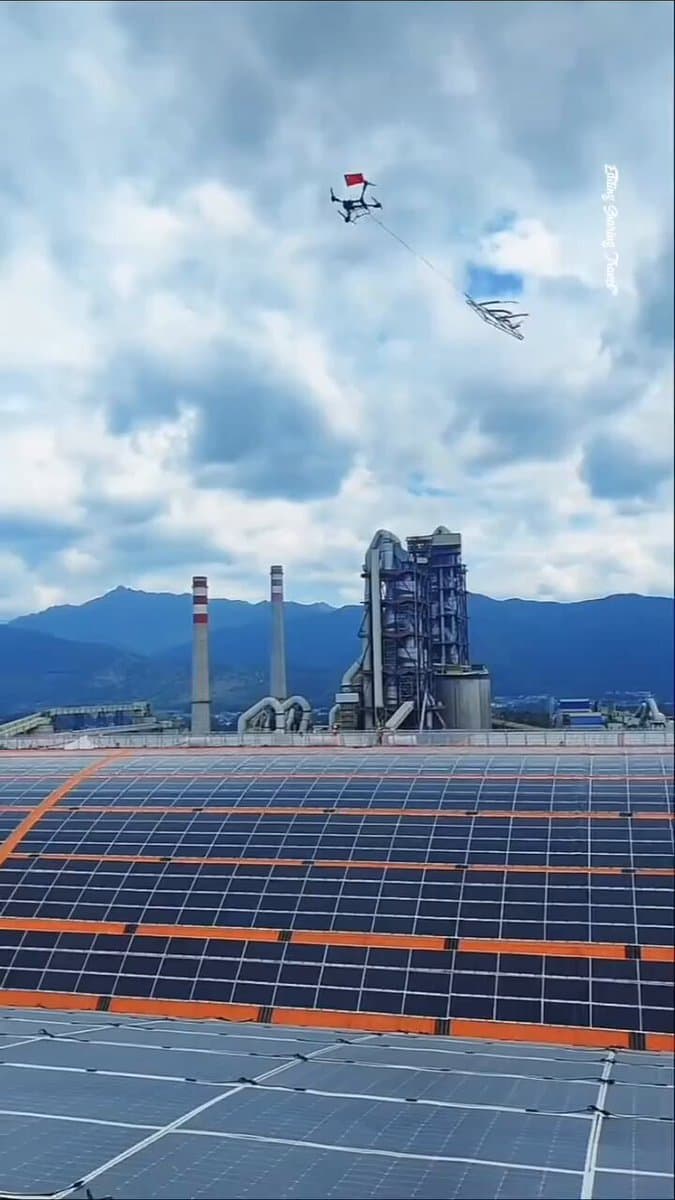
A quiet revolution in solar technology is emerging from China, where innovative companies are developing flexible solar panels that could fundamentally change how we deploy renewable energy. According to recent reports, a Chinese manufacturer has created lightweight, flexible solar energy films that can be directly adhered to rooftops with a simple peel-and-stick installation process, eliminating the need for complex mounting systems and specialized labor.
The Technology Behind the Innovation
While the specific company name isn't disclosed in the source material, the technology represents a significant advancement in photovoltaic design. Traditional solar panels are rigid, heavy structures requiring specialized racks, mounting hardware, and professional installation. These new flexible panels appear to overcome these limitations through innovative materials science and manufacturing techniques.
What makes this development particularly noteworthy is the combination of three key attributes: flexibility, high efficiency, and simplified installation. The ability to create solar panels that can conform to various surfaces while maintaining strong energy conversion rates suggests breakthroughs in thin-film photovoltaic technology, possibly involving advanced materials like perovskite or organic photovoltaics that have been the focus of research labs worldwide.
Installation Revolution: From Complex to Simple
The most transformative aspect of this technology may be its installation method. The source describes a system where panels "just stick right onto your roof for a simple setup" - essentially a peel-and-stick approach that could democratize solar installation. This represents a dramatic departure from current practices where solar deployment requires:
- Structural assessments of rooftops
- Complex mounting hardware
- Professional installation teams
- Electrical expertise for grid connection
- Potentially lengthy permitting processes
With adhesive-backed flexible panels, many of these barriers could be significantly reduced. Homeowners might eventually be able to install solar themselves, similar to applying large decals or specialized roofing materials. This could dramatically reduce installation costs and time, addressing one of the major obstacles to widespread solar adoption.
Global Implications for Renewable Energy
China's position as both a manufacturing powerhouse and the world's largest solar producer gives this development particular significance. If these flexible panels can be mass-produced at competitive prices, they could accelerate the global transition to renewable energy in several ways:
Urban Applications: Flexible panels could be installed on buildings with weight limitations, curved surfaces, or architectural constraints that currently cannot support traditional solar arrays.
Developing World Deployment: Simplified installation could bring solar power to remote areas and developing regions lacking specialized solar installers.
Aesthetic Integration: The flexibility and adhesive nature might allow for more architecturally integrated solar solutions, potentially overcoming aesthetic objections that sometimes hinder solar adoption.
Transportation Uses: While not mentioned in the source, such technology naturally extends to vehicles, boats, and portable applications where lightweight, conformable solar is particularly valuable.
Challenges and Considerations
While the potential is exciting, several questions remain unanswered based on the available information:
- Durability: How will these adhesive panels withstand decades of weather exposure, thermal expansion, and potential roof maintenance?
- Efficiency Comparison: While described as "high-efficiency," how do they compare to conventional silicon panels that have reached over 22% efficiency in commercial products?
- Recyclability: What are the environmental implications of combining photovoltaic materials with adhesives at end of life?
- Cost Structure: Will the simplified installation offset potentially higher manufacturing costs for flexible photovoltaics?
The Future Landscape
The source concludes with a vision of "peel-and-stick solar panels everywhere" - a future where solar deployment becomes as simple as applying wallpaper. This aligns with broader trends in the renewable energy sector toward democratization and accessibility.
China's continued innovation in solar technology comes at a critical moment in global energy transition. As countries worldwide commit to reducing carbon emissions, technologies that make renewable energy cheaper, easier to install, and more versatile could significantly accelerate progress toward climate goals.
While we await more detailed technical specifications, performance data, and commercial availability information, this development represents another step toward making solar energy truly ubiquitous. The combination of Chinese manufacturing scale with innovative photovoltaic design could potentially deliver on the long-promised vision of solar energy accessible to all.
Source: Rohan Paul (@rohanpaul_ai) on X/Twitter, highlighting flexible solar panel technology from China.