What Changed — The specific update, with version/date if available
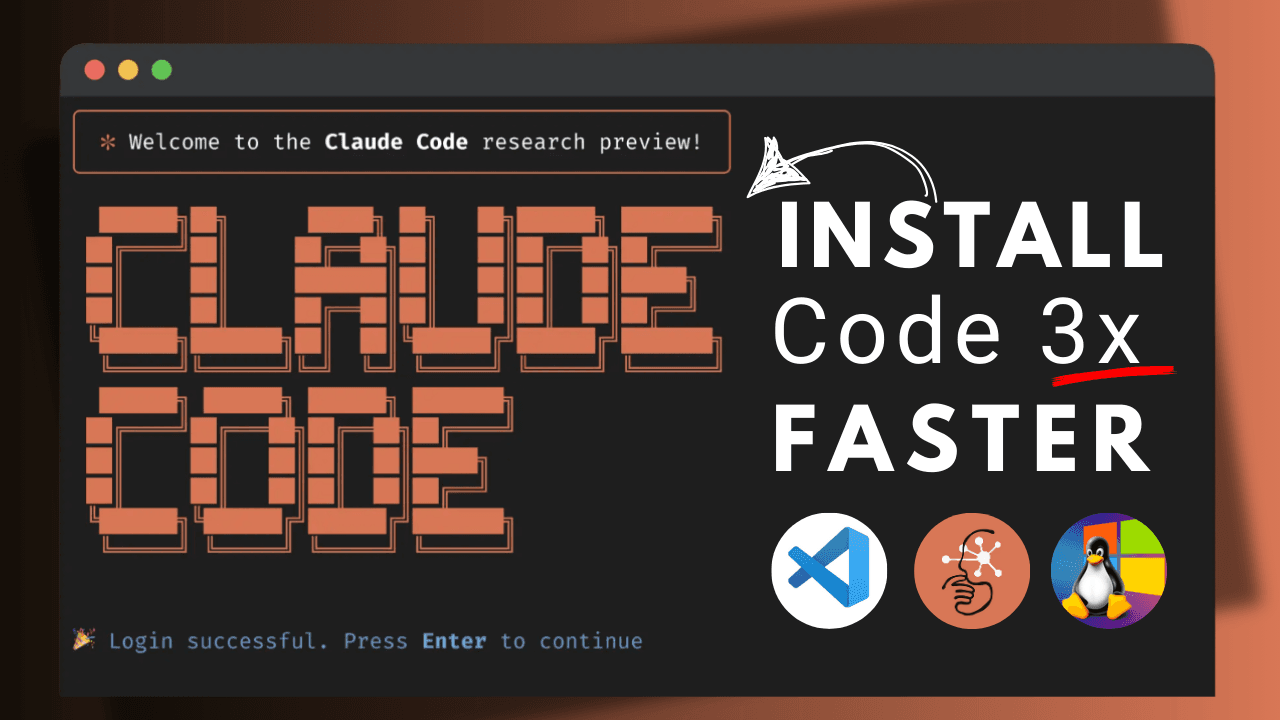
Anthropic has promoted new features and best practices for Claude Code 2.5, as reported on March 29, 2026. This isn't a major version bump from the foundational 2025 release, but a significant feature rollout. The update centers on two concrete tools: a dedicated Command-Line Interface (CLI) and a usage dashboard, alongside a push of documented best practices aimed specifically at web developers.
What It Means For You — Concrete impact on daily Claude Code usage
For developers using Claude Code daily, this update formalizes and streamlines workflows that were previously more ad-hoc. The new CLI (claude-code) provides a direct terminal interface to the agent, moving beyond pure chat-based interaction. This allows for more scriptable, repeatable operations. The usage dashboard gives you visibility into your token consumption and task history, which is critical for managing costs and understanding your workflow patterns—a direct response to user concerns about hitting usage limits, a topic we covered recently.
The promoted best practices are the real gold for web developers. They likely include optimized prompting strategies for front-end frameworks, efficient context management for large codebases, and patterns for using Claude Code alongside build tools and linters. Given Claude Code's integration with the Model Context Protocol (MCP), these practices probably also cover configuring MCP servers for web-specific tasks like interacting with design systems or CMS APIs.
Try It Now — Commands, config, or prompts to take advantage of this
- Install/Update the CLI: If you haven't already, ensure you have the latest
claude-codepackage. Runclaude-code --versionto check. The CLI commands will follow patterns likeclaude-code generate component Button --framework=reactorclaude-code refactor ./src --task="extract shared hooks". - Access the Dashboard: Look for a new command, likely
claude-code dashboardorclaude-code usage, to launch a local web interface showing your task history, token usage per session, and cost estimates. Use this data to identify and optimize expensive operations. - Apply Web Dev Best Practices: While the exact documentation is external, you can immediately adopt a key principle: structure your
CLAUDE.mdfile with web-specific context. Include your framework version, key dependencies, and project structure. Example prompt: "Using the project context in CLAUDE.md, generate a responsive navigation component with accessibility attributes. Use Tailwind CSS v4 and React hooks." This gives Claude Code the focused context it needs to generate more accurate, less hallucinated code.
This update follows a week of intense activity around Claude Code, appearing in 151 articles, and comes just after a reported bug regarding conversation compaction. It shows Anthropic is rapidly iterating based on real user feedback.