What Happened — A Service Outage
On March 17, 2026, users attempting to use Claude Code began encountering HTTP 500 errors. These are generic server-side errors indicating something went wrong on Anthropic's end. The official status page was initially not updated, but was later amended to state: "The issue has been identified and a fix is being implemented."
A notable comment from the discussion highlights a common cascade effect: "10 minutes into the Opus outage the dreaded 529 Overloaded on Sonnet appears." This suggests that when the primary, more capable Claude Opus model becomes unavailable, traffic can shift to the Claude Sonnet model, potentially overloading it and causing 529 "Too Many Requests" errors.
What This Means For Your Workflow
Service interruptions are an inherent risk when using any cloud-based AI tool. For developers relying on Claude Code for active coding sessions or autonomous agentic workflows, an unexpected 500 error can halt progress. The key takeaway isn't that the tool is unreliable, but that your development process should be resilient.
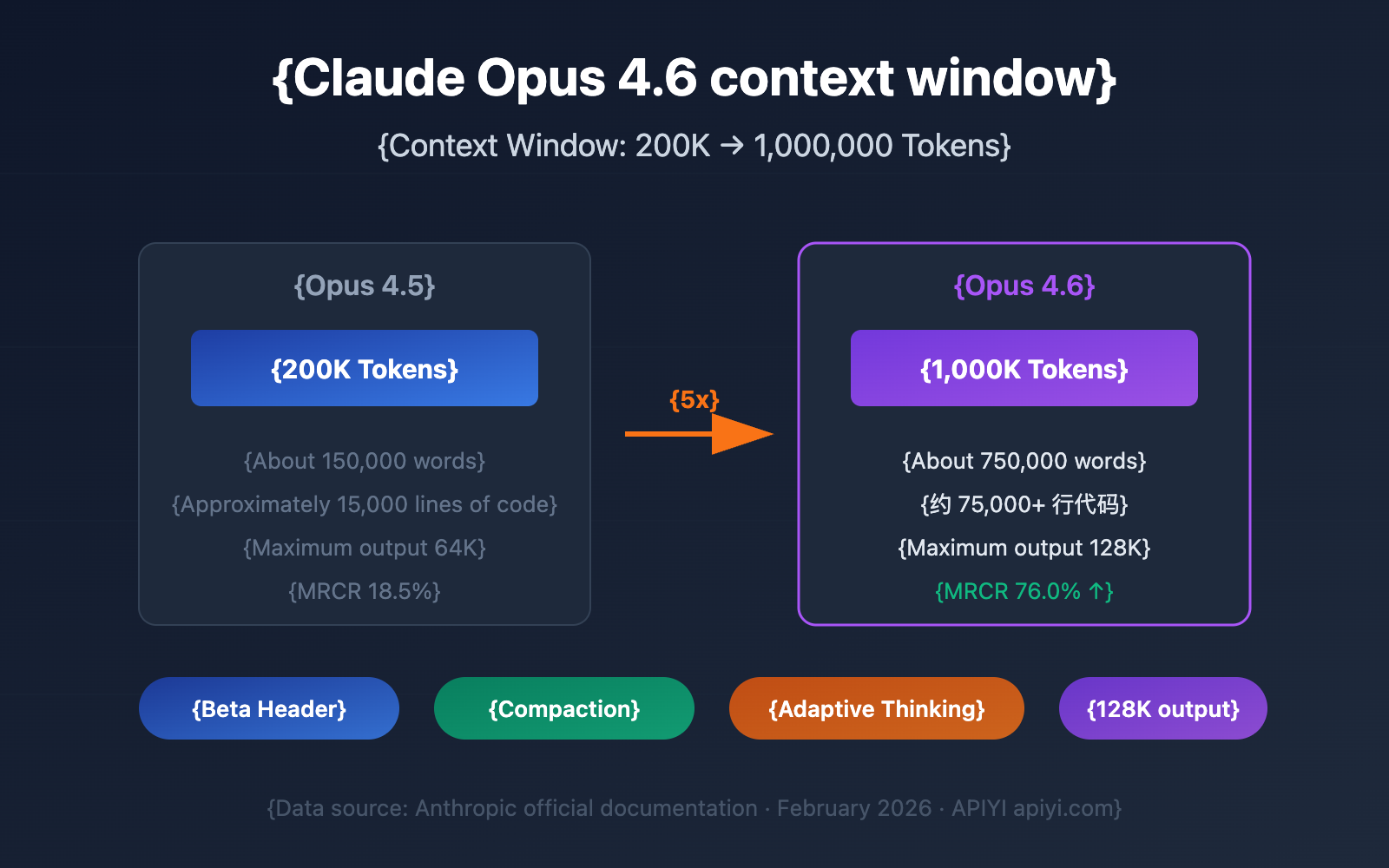
The shift from Opus to Sonnet during an outage is critical to understand. Sonnet is a capable model, but it has different performance characteristics and context window limits. A task perfectly tuned for Opus might behave differently or fail on Sonnet, especially under load.
How To Build Resilience
Diagnose First: When you see an error, your first step should be to check the official Anthropic Status Page. Don't waste time debugging your local config if it's a known service issue.
Implement a Fallback Prompt: Adjust your
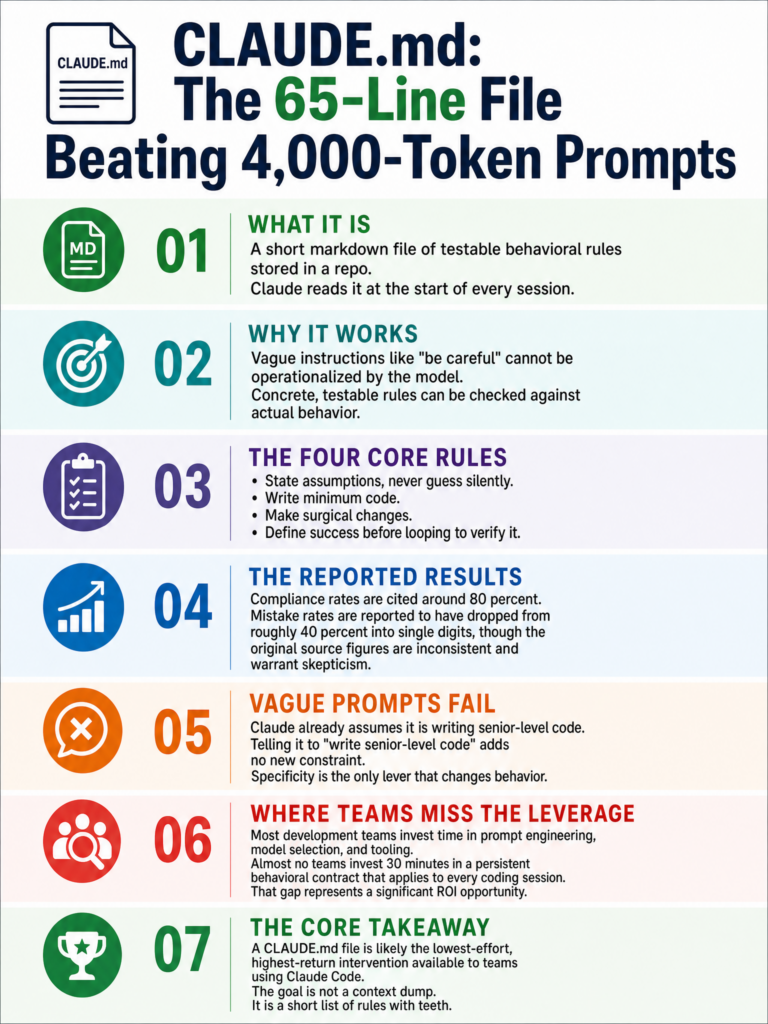
CLAUDE.mdor initial prompts to be model-agnostic. Where possible, avoid prompts that are overly optimized for Opus-specific behaviors. A well-structured prompt using clear, step-by-step instructions will perform more consistently across model switches.Version and Commit Frequently: This is the most important practice. Claude Code is a powerful assistant for writing and modifying code. You should be committing your work to Git at logical breakpoints. If the service goes down, you haven't lost your progress. You can continue working locally or switch to another tool until service is restored.
# Make frequent, atomic commits during a Claude Code session
git add -p  # Review changes interactively
git commit -m "feat: implement user auth module with Claude Code"
Use the
--modelFlag Judiciously: You can explicitly specify a model withclaude code --model sonnet. If you are experiencing issues and suspect an Opus outage, you can try directing your session to Sonnet proactively, though it may also be under load.Structure Projects for Autonomy: Leverage Claude Code's native OpenTelemetry support and clear
CLAUDE.mdproject specifications. A well-defined project can be picked up more easily by you or another AI assistant if you need to context-switch due to downtime.
Outages are temporary, but the habit of frequent commits and clear project structure permanently improves your workflow's robustness, whether you're using Claude Code or any other AI-powered tool.