What Changed — Claude Opus 4.6 Is Now Available
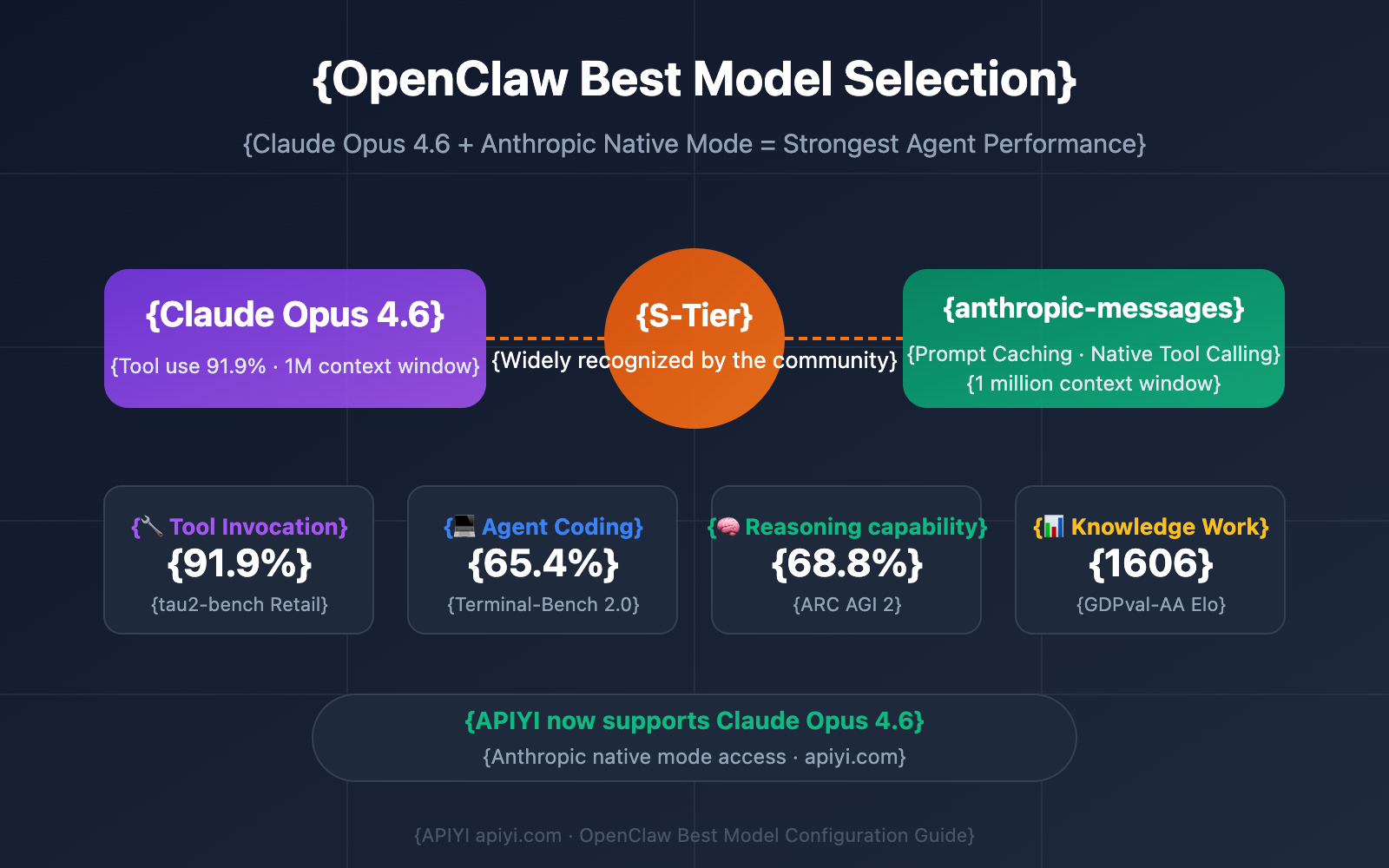
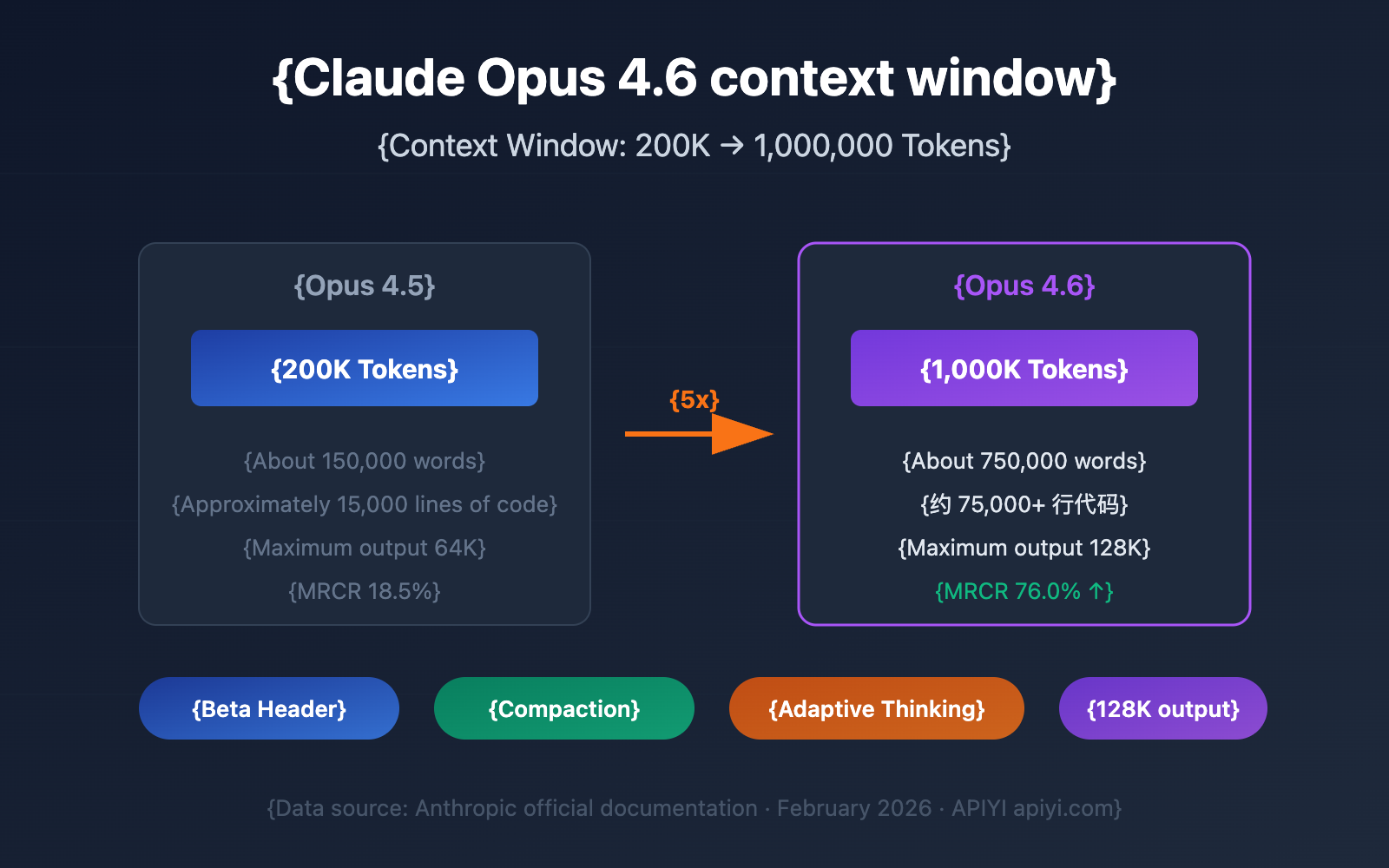
Anthropic has officially released Claude Opus 4.6, the latest and most capable version of its flagship model. According to the announcement, this update brings specific improvements in two key areas for developers: coding and handling agentic tasks. This is the model that powers Claude Code when you're using the highest-tier plan or have explicitly selected Opus.
While the exact technical details of the improvements aren't specified in the source, the focus on "agentic tasks" is particularly relevant. In the context of Claude Code, this means the model should be better at breaking down complex, multi-step development requests, managing state across a series of commands, and using tools (like MCP servers) more effectively.
What It Means For Your Claude Code Workflow
If you use Claude Code with the Opus model, you're already using 4.6 (or will be shortly as the rollout completes). You don't need to download anything. The improvement happens on Anthropic's servers.
For your daily work, you should expect:
- Higher accuracy in code generation: Fewer syntax errors, more idiomatic code, and better alignment with your project's existing patterns.
- More reliable agentic behavior: When you give Claude Code a complex directive like "refactor this module and add tests," it should create a more coherent, step-by-step plan and execute it with fewer missteps or context losses.
- Better tool use: Enhanced ability to work with connected MCP servers (like the recently launched Claude for Excel MCP server or the Colab MCP Server) by understanding their capabilities more deeply and chaining operations together.
How To Configure and Prompt for the New Capabilities
First, verify or set your model. In your terminal, check your Claude Code configuration:
claude code config get model
To explicitly select Opus (and thus Opus 4.6), run:
claude code config set model claude-3-opus-20240229
# Note: The version date in the model ID may not immediately change to reflect 4.6.
# You are routed to the latest available version of Opus.
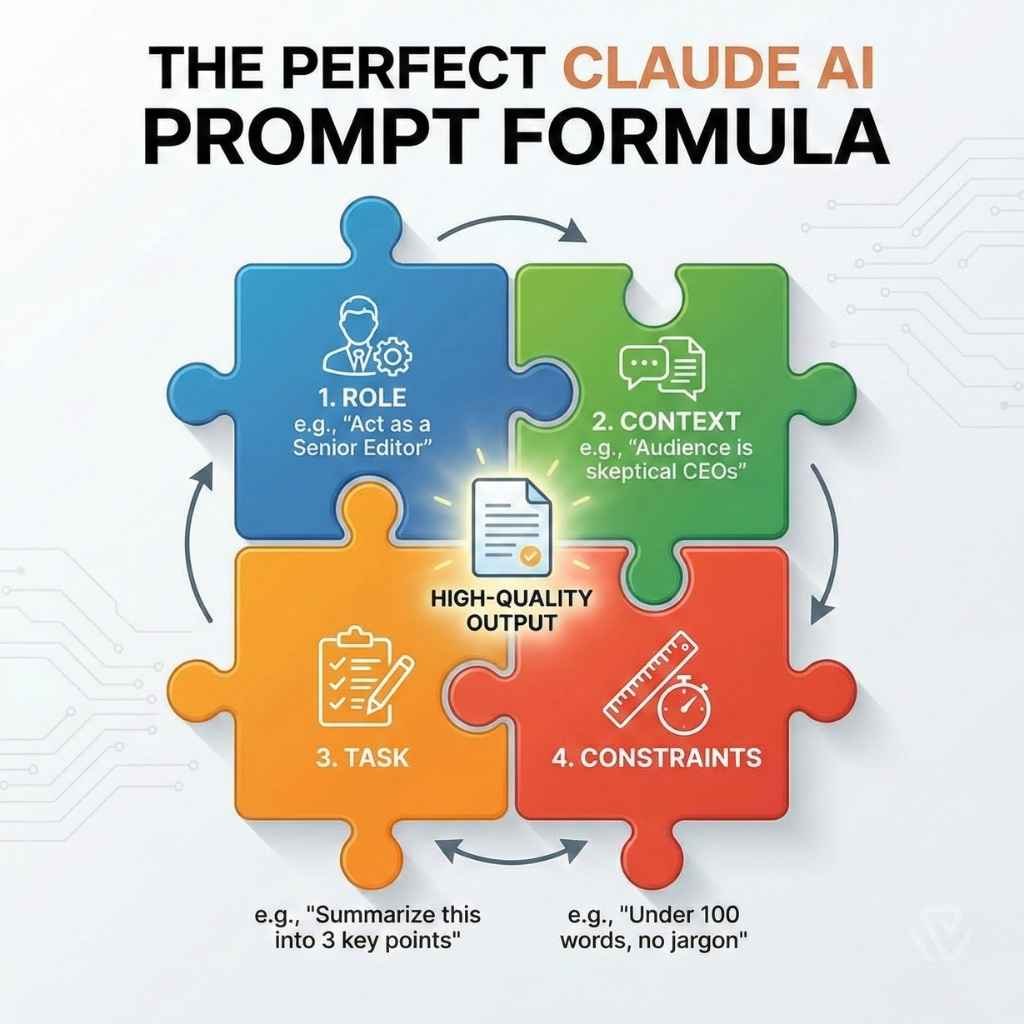
Now, adjust your prompting to leverage the improved agentic skills. You can be more ambitious with single, high-level commands. Instead of breaking a task down yourself, state the ultimate goal.
Before (More Manual):
# 1. First, ask for a plan to add a new API endpoint.
# 2. Then, ask it to implement the route.
# 3. Then, ask it to write the service logic.
After (More Agentic):
claude code "Add a new POST /api/users endpoint that validates input, creates a user in the database, and sends a welcome email. Integrate it with our existing error middleware and write unit tests for the happy path and validation failures."
The improved model is better equipped to handle that entire scope as a single agentic task, decomposing it, managing the steps, and producing the final result.
Similarly, when working with MCP tools, you can use more natural language to describe the goal. For example, with the Colab MCP Server, instead of a series of precise instructions, you might try: "Analyze the dataset in this Colab notebook for outliers and create a visualization for the top three correlations." The model's improved task handling should better translate that into the necessary series of Colab cell creations and executions.
What About Claude 3.5 Sonnet 4.6?
The source also notes Anthropic continued to push boundaries with "Claude Sonnet 4.6." This refers to Claude 3.5 Sonnet, which is a different, less expensive model family. If you have Claude Code configured to use claude-3-5-sonnet-20241022, you are likely also benefiting from recent updates to that model line. Sonnet is an excellent balance of cost and capability for many coding tasks.
Key Takeaway: Claude Opus 4.6 is live. Your existing Opus configuration gets the upgrade automatically. Start giving it more complex, multi-faceted tasks in a single command to take full advantage of its improved coding and agentic reasoning.