A persistent limitation in AI agent deployment has been the disconnect between local capabilities and remote system management. Developers have long faced the frustrating reality that while their AI assistants could perform complex tasks on local machines, managing remote servers still required manual SSH sessions and human intervention. This bottleneck has now been addressed with the release of Claw, an innovative Model Context Protocol (MCP) server that fundamentally changes how AI agents interact with remote infrastructure.
The Remote Operations Problem
For AI developers and system administrators, the workflow has been painfully familiar: an AI agent could analyze local logs, debug code, and manage configurations with impressive efficiency, but the moment operations needed to extend to remote servers, the process broke down. Developers would find themselves SSHing into machines to perform tasks their agents could already handle locally—checking logs, grepping for errors, editing configuration files. This created a significant productivity gap and limited the true autonomous potential of AI agents in production environments.
Claw's creator recognized this disconnect and built a solution that bridges the gap between local AI capabilities and remote system management. The tool represents a significant step forward in making AI agents truly useful across distributed computing environments.
How Claw Works: Technical Innovation
Claw operates as an MCP server that deploys a small Go binary over SSH connections. This lightweight approach gives AI agents the same tools they already know and use locally—bash commands, file reading and writing, text editing, grep operations, and glob pattern matching—but extends these capabilities to any remote machine accessible via SSH.
The technical implementation is elegantly simple yet powerful:
- No Persistent Infrastructure Required: Unlike traditional remote management solutions, Claw requires no open ports, no running daemons, and no root privileges on target machines.
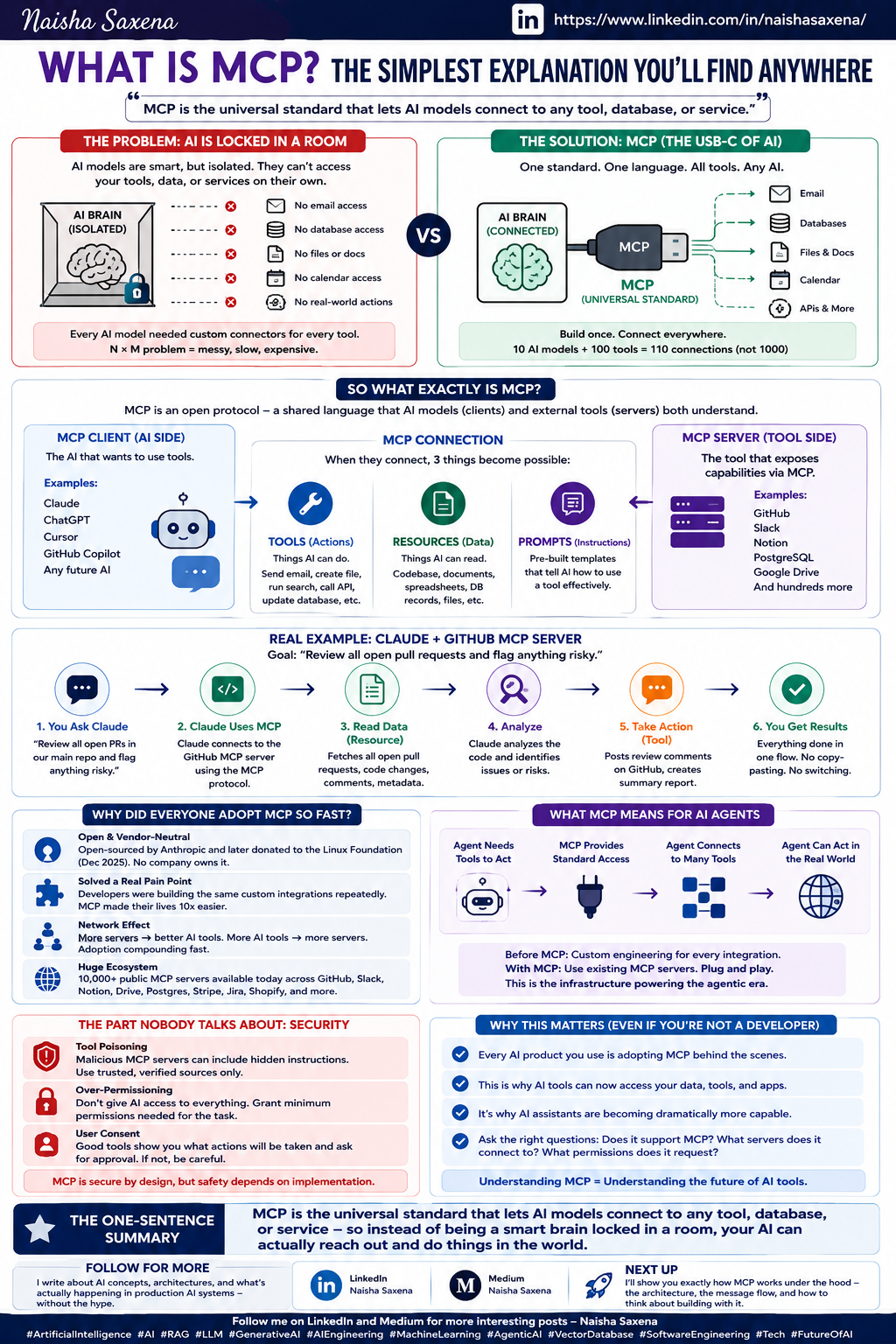
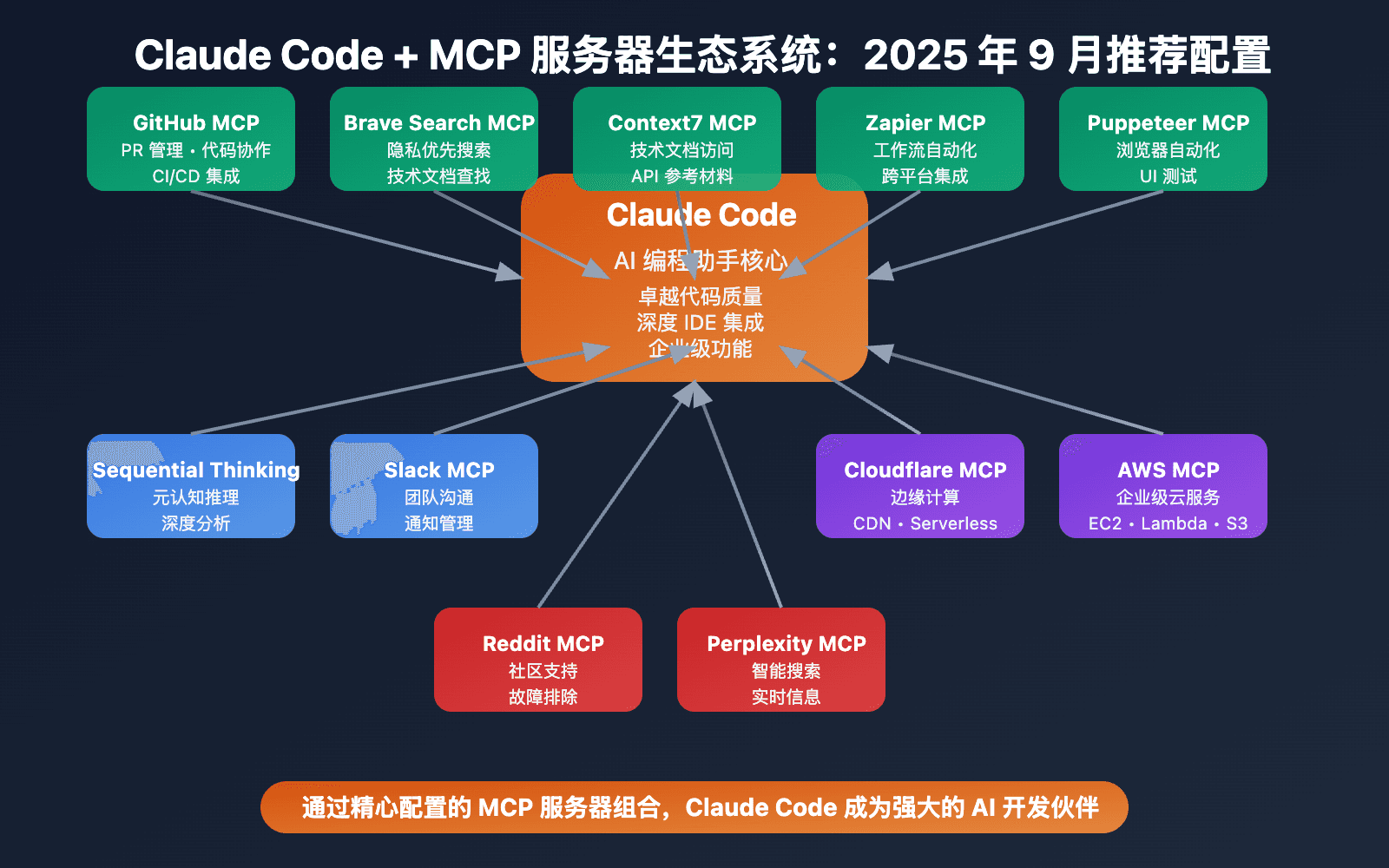
- MCP Integration: By leveraging the Model Context Protocol, Claw works seamlessly with Claude Code, Cursor, and any other MCP-compatible client.
- Minimal Footprint: The Go binary is small and temporary, deployed only when needed and cleaned up after use.
- Security-First Design: The tool uses existing SSH infrastructure without creating additional attack surfaces.
This approach represents a significant departure from traditional remote management paradigms, which typically require persistent agents, complex configuration, or security compromises.
Context in the AI Agent Evolution
Claw arrives at a critical moment in AI agent development. Recent research (February 2026) revealed that most AI agent failures stem from forgetting instructions rather than insufficient knowledge. This insight highlights the importance of consistent environments and reliable tool access—exactly what Claw provides by giving agents the same tools across all systems they manage.
Furthermore, the AI agent landscape crossed a "critical reliability threshold" in December 2026, fundamentally transforming programming capabilities. Tools like Claw build on this foundation by extending reliable agent operations beyond local development environments to production infrastructure.
The timing is particularly significant given Anthropic's recent rollout of auto-memory capabilities for Claude Code (February 2026), which allows AI assistants to retain project context across sessions. Claw complements this development by ensuring that context-aware agents can apply their understanding consistently across both local and remote environments.
Practical Applications and Use Cases
Claw's implications extend across multiple domains:
DevOps and System Administration: AI agents can now perform routine maintenance, log analysis, and configuration management across entire server fleets without human intervention.
Development Workflows: Developers can have their AI assistants debug production issues by directly examining logs and configurations on remote servers, dramatically reducing mean time to resolution.
Security Operations: Security teams can deploy AI agents to investigate incidents across distributed systems using consistent tooling and methodologies.
Cloud Infrastructure Management: The tool enables consistent AI-driven management across hybrid and multi-cloud environments without vendor-specific adaptations.
The Broader Implications
Claw represents more than just a technical solution to remote operations—it signals a shift in how we conceptualize AI agent capabilities. By eliminating the distinction between local and remote operations, the tool moves us closer to truly autonomous AI systems that can manage complex, distributed infrastructure.
This development aligns with broader trends in AI evolution, including Claude AI's demonstrated real-time awareness of unfolding geopolitical events (March 2026), which indicates breakthroughs in real-time information processing. Tools like Claw extend this capability to infrastructure management, potentially enabling AI systems to respond to system events with the same immediacy they might apply to information processing tasks.
Challenges and Considerations
While Claw represents significant progress, several considerations remain:
Security Implications: Although the tool uses existing SSH infrastructure, extending AI agent capabilities to remote systems creates new attack vectors that must be carefully managed.
Responsibility and Oversight: As AI agents gain more autonomous control over production systems, questions of accountability and oversight become increasingly important.
Integration Complexity: Organizations will need to develop new workflows and policies around AI-driven remote operations.
Tool Maturity: As an open-source project, Claw's long-term maintenance and evolution will depend on community support and adoption.
The Future of AI-Driven Infrastructure
Claw points toward a future where AI agents seamlessly manage infrastructure across organizational boundaries. The tool's approach—using lightweight, temporary deployments rather than persistent agents—may become a model for other remote operation solutions.
Looking ahead, we can anticipate several developments:
- Standardization: As MCP gains adoption, we may see standardized interfaces for AI agent operations across different types of infrastructure.
- Specialized Extensions: Domain-specific versions of Claw for particular industries or use cases.
- Integration with Existing Tools: Deeper integration with configuration management, monitoring, and deployment systems.
- Enhanced Security Models: More sophisticated authentication, authorization, and auditing capabilities for AI-driven operations.
Conclusion
Claw represents a significant step forward in making AI agents truly useful for real-world infrastructure management. By solving the remote operations problem with an elegant, security-conscious approach, the tool removes a major barrier to AI agent adoption in production environments.
As AI agents continue to evolve—with improvements in reliability, memory, and real-time processing—tools like Claw will be essential for translating these capabilities into practical value. The open-source nature of the project ensures that the broader community can contribute to its evolution, potentially accelerating the development of truly autonomous infrastructure management systems.
For developers, system administrators, and organizations investing in AI capabilities, Claw offers a glimpse of a future where AI agents operate seamlessly across all systems, from local development machines to global production infrastructure. The era of context-aware, infrastructure-capable AI assistants has arrived, and tools like Claw are paving the way.
Source: Claw GitHub Repository