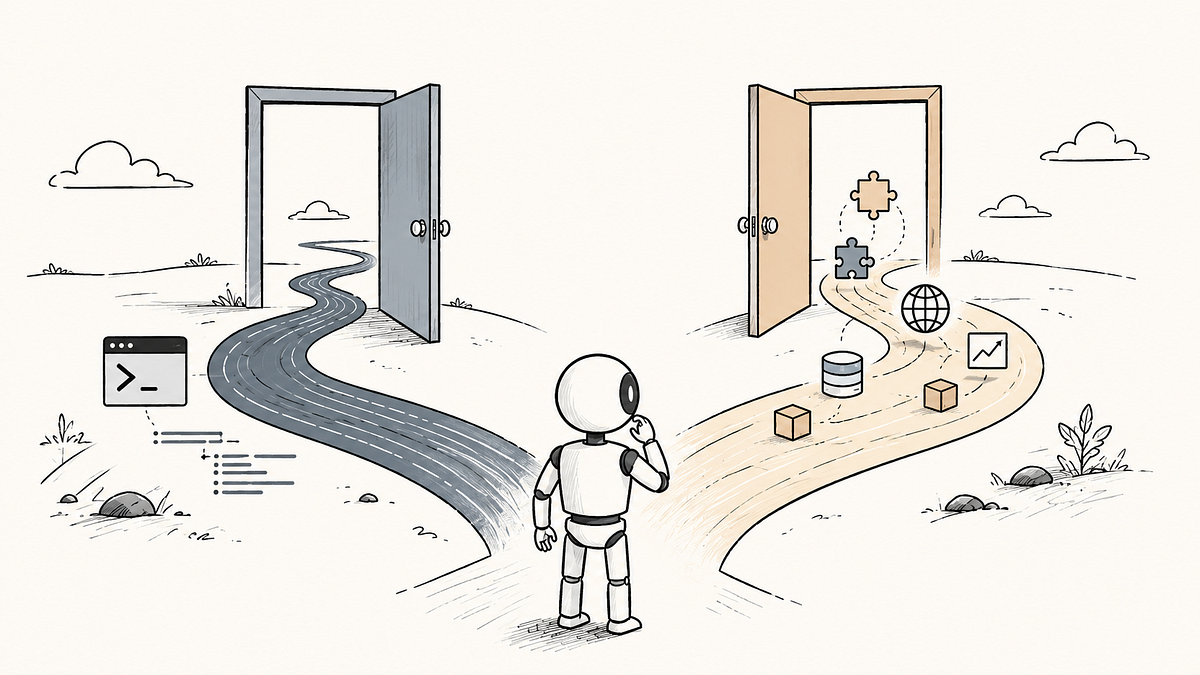
In the rapidly evolving landscape of artificial intelligence, developers building AI agents often encounter two critical concepts: MCP (Model Context Protocol) and Skills. According to AI expert Akshay Pachaar, conflating these two technologies represents "one of the most common mistakes" when people begin serious agent development. While both are essential components of capable AI systems, they serve fundamentally different purposes in the agent architecture.
The Connectivity Problem: MCP as Universal Plumbing
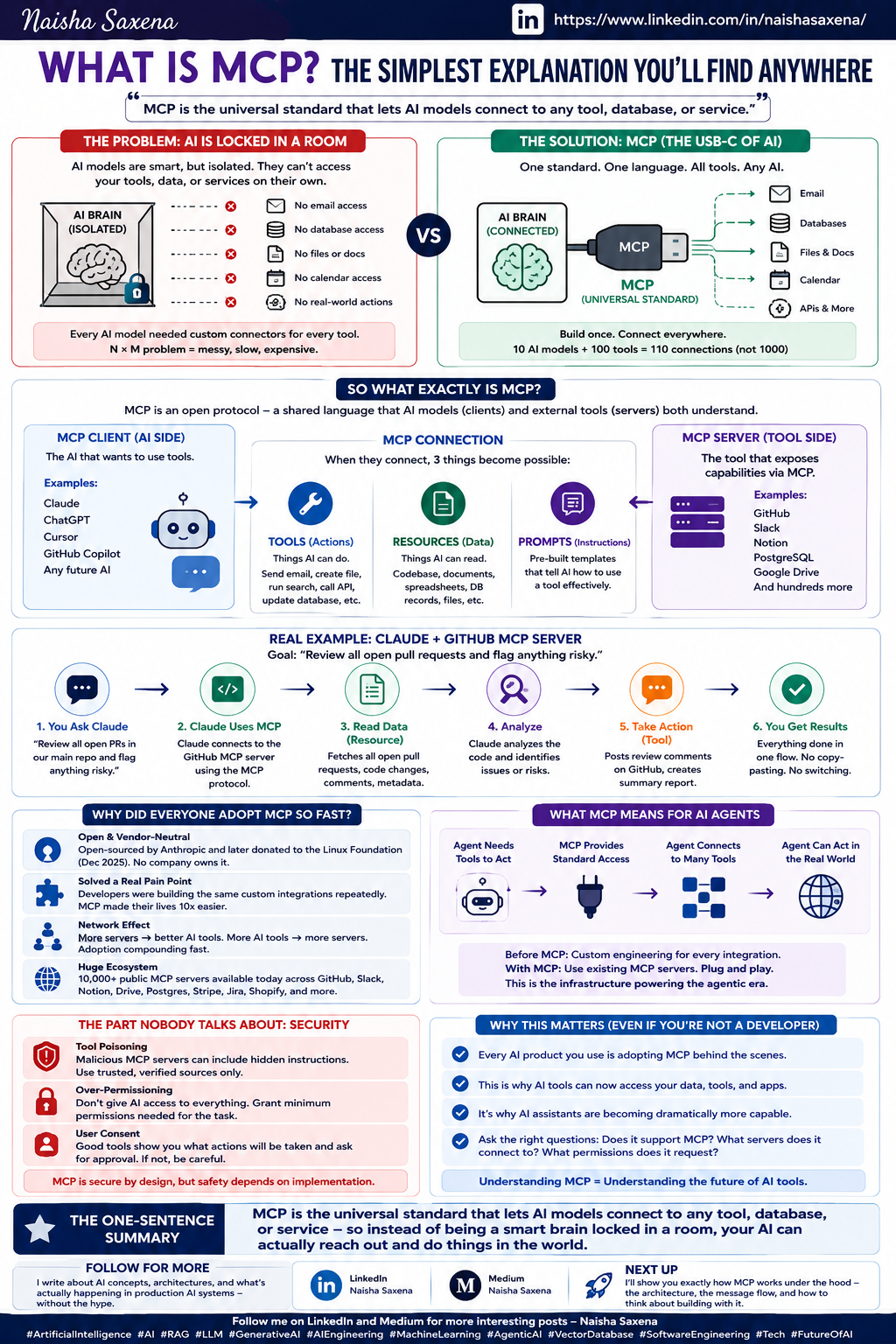
Before the emergence of MCP, connecting AI models to external tools was a fragmented, labor-intensive process. Developers faced what Pachaar describes as "a tangled mess of one-off glue code" where each model-tool combination required custom integration. In a scenario with 10 AI models and 100 tools, this meant potentially building and maintaining 1,000 unique connectors.
MCP addresses this challenge by establishing a standardized communication protocol. The protocol creates a clean separation where tools become "servers" that expose their capabilities, while AI agents become "clients" that know how to request those capabilities. They communicate through structured JSON messages over well-defined interfaces.
The power of this approach lies in its reusability. As Pachaar explains, "Build a GitHub MCP server once, and it works with Claude, ChatGPT, Cursor, or any other agent that speaks MCP." This standardization dramatically reduces development overhead and creates an ecosystem where tool integrations can be shared and reused across different AI platforms.
The Knowledge Gap: Skills as Procedural Intelligence
While MCP solves the connectivity problem, it doesn't address what Pachaar identifies as the "usage problem." Even with perfect connectivity to dozens of tools, an AI agent may still underperform if it lacks understanding of when to use which tool, in what sequence, and with what contextual parameters.
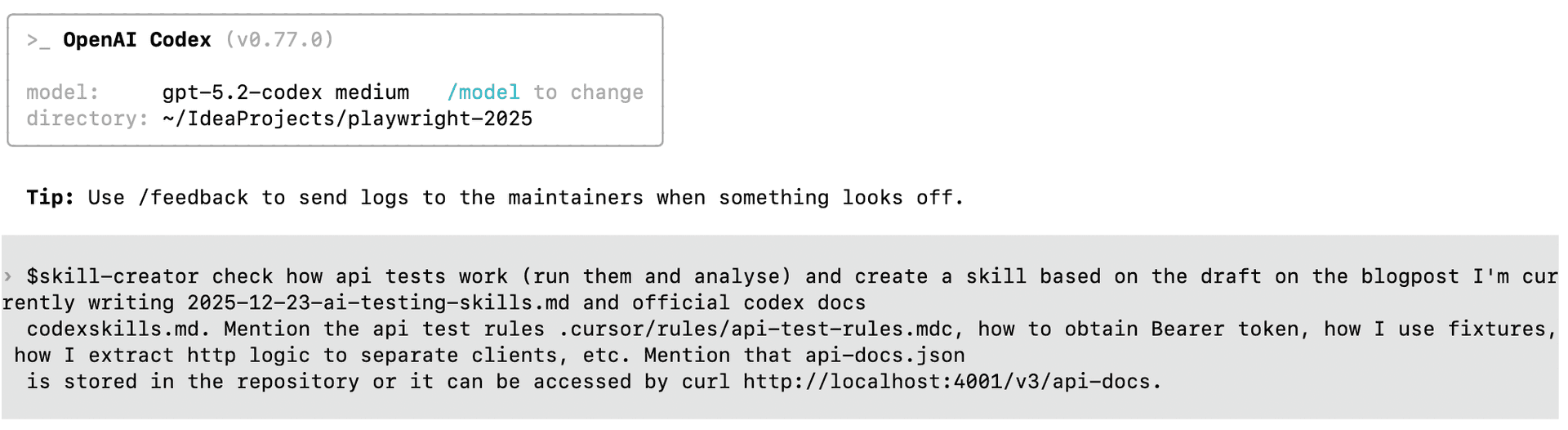
This is where Skills enter the architecture. A Skill represents a portable bundle of procedural knowledge—essentially a set of instructions that tells an agent not just what tools are available, but how to use them effectively for specific tasks. These are often packaged in files like SKILL.md that contain guidelines, templates, patterns, and rules for particular domains.
For example, a writing skill might include tone guidelines, output templates, and revision workflows. A code review skill would bundle patterns to check, security rules to follow, and quality assessment criteria. Skills transform agents from merely having access to tools to understanding how to apply them effectively.
The Complete Agent Architecture
Together, MCP and Skills form what Pachaar describes as "the full capability stack for a production AI agent." This architecture consists of three layers:
- The Wiring Layer (MCP): Handles tool connectivity through standardized protocols
- The Knowledge Layer (Skills): Provides procedural expertise for task execution
- The Orchestration Layer (Agent): Uses context and reasoning to coordinate both
This layered approach explains why advanced agent implementations increasingly include both components. MCP servers handle the integration plumbing, while Skills files provide the domain-specific expertise needed for effective task completion.
Practical Implications for AI Development
The distinction between MCP and Skills has significant implications for how teams approach AI agent development:
Development Efficiency: By separating connectivity from procedural knowledge, teams can work in parallel. Infrastructure specialists can focus on building robust MCP servers, while domain experts can develop Skills without worrying about integration details.
Portability and Reusability: Skills can be shared across different agent platforms that support the same format, while MCP integrations work across different AI models. This creates a composable ecosystem where components can be mixed and matched.
Specialization and Expertise: The separation allows for deep specialization. A financial analysis Skill can be developed by finance experts without requiring them to understand the technical details of how data sources connect to AI models.
Maintenance and Updates: Changes to tool APIs can be handled at the MCP level without affecting Skills, while improvements to procedural knowledge can be made in Skills without touching connectivity code.
The Growing Ecosystem
The recognition of this distinction is driving the development of shared resources in the AI community. Pachaar mentions sharing "a repository of 85k+ skills that you can use with any agent," indicating the emergence of a marketplace or library approach to Skills development. This parallels the growing ecosystem of MCP servers for various tools and platforms.
As the field matures, we're likely to see standardized formats for Skills (similar to how MCP standardizes connectivity) and potentially certification systems for both MCP servers and Skills to ensure quality and compatibility.
Future Directions
The MCP-Skills architecture points toward several future developments in AI agent technology:
Dynamic Skill Composition: Agents that can combine multiple Skills for complex tasks, or even learn to create new Skills from experience.
Context-Aware Skill Selection: Systems that automatically select appropriate Skills based on the task context and available tools.
Skill Marketplaces: Platforms where developers can share, sell, or trade Skills, creating an economy around procedural knowledge.
Cross-Domain Skill Transfer: Techniques for adapting Skills from one domain to another, accelerating development in new application areas.
Conclusion
Understanding the distinction between MCP and Skills is more than just technical semantics—it's fundamental to building effective AI agents. MCP provides the essential plumbing that connects agents to the tools they need, while Skills provide the procedural intelligence that enables effective use of those tools. Together, they create a powerful architecture for AI systems that can not only access capabilities but apply them intelligently to solve real-world problems.
As Pachaar emphasizes, this distinction becomes increasingly important as developers move from experimental prototypes to production systems. The separation of concerns allows for specialization, reuse, and scalability—all critical factors for the successful deployment of AI agents in business and research contexts.
Source: Akshay Pachaar (@akshay_pachaar) on X/Twitter