What It Does — Automated DevOps Audits for Small Teams
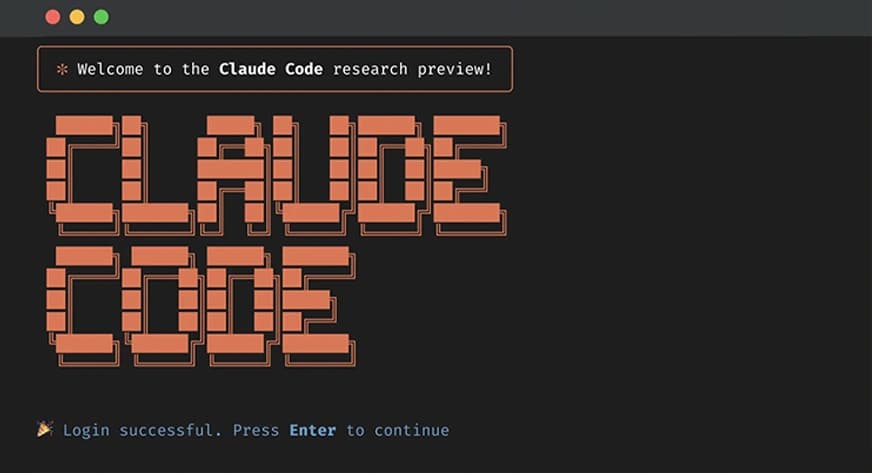
DevOpsiphai is a Claude Code skill that performs comprehensive operational health audits on your projects. Instead of vague "best practices," it asks five concrete questions that matter for production systems:
- Can I onboard easily? — New developer setup without hand-holding
- Can I deploy safely? — Fearless staging/production deployments
- Do I know what's running where? — Version tracking and database state
- Can I see what's happening? — Metrics, error tracking, analytics
- Can I recover if something goes wrong? — Rollback capabilities and runbooks
The tool uses the ARC framework (Automation, Reporting, Control) to score each pillar with letter grades from A (fully automated) to F (absent). This gamifies operational excellence for small teams who need practical guidance, not enterprise frameworks.
Setup — Install and Run in Minutes
Since DevOpsiphai is a Claude Code skill, installation is straightforward:
# Clone the repository
claude code clone https://github.com/sanhajio/devopsiphai

# Navigate to your project directory
cd /path/to/your/project

# Run the audit
claude code run devopsiphai --audit
The skill analyzes your entire codebase, infrastructure configuration, CI/CD pipelines, and operational practices. It generates two output files in /tmp/devopsiphai/<timestamp>/:
- Full Audit Report — 5-phase analysis covering everything from repo structure to rollback strategies
- Actionable Checklist — Prioritized tasks with severity ratings and specific commands
When To Use It — Before Shipping or During Onboarding
Use DevOpsiphai in these specific scenarios:
Before major releases: Run the audit to identify operational gaps before they cause production incidents. The tool will flag missing metrics, insecure secrets, and manual deployment steps.
During team onboarding: New developers can run claude code run devopsiphai --audit to understand the project's operational maturity and identify what documentation might be missing.
When inheriting legacy code: The audit creates a factual map of the project's architecture, stack, and questionable decisions—perfect for understanding "vibe-coded" projects.
Weekly health checks: Add to your CI pipeline to track operational improvements over time as you address checklist items.
The generated checklist is particularly valuable because it's derived entirely from your actual codebase. Items like "[XS] Rotate AWS IAM key AKIA..." or "[XS] Add .nvmrc to frontend/ with content 20" are specific, actionable, and include the exact commands needed.
Integration with Your CLAUDE.md
For ongoing operational excellence, add DevOpsiphai checks to your project's CLAUDE.md:
## Operational Standards

This project maintains ARC grade B or higher across all pillars:
- Automation: All deployments, testing, and infrastructure changes are automated
- Reporting: Metrics, error tracking, and analytics are implemented
- Control: Rollback capabilities and runbooks exist for all critical paths

### Audit Commands
- Run operational audit: `claude code run devopsiphai --audit`
- Check ARC score: Review `/tmp/devopsiphai/` output
- Address checklist items before major releases
This creates a feedback loop where Claude Code helps maintain the operational standards it helped audit.
Why This Matters for Claude Code Users
Most developers using Claude Code focus on feature development speed. DevOpsiphai addresses the operational debt that accumulates when shipping fast. The five questions align perfectly with Claude Code's autonomous capabilities—once you identify gaps, you can use Claude Code to fix them.
The ARC scoring system (A-F per pillar) gives you a clear target for improvement. Moving from "D/D/F" to "B/B/B" becomes a concrete goal with specific checklist items to complete.
Since the audit runs entirely through Claude Code, it leverages the same context about your project that Claude uses for development tasks. This creates consistency between how you build features and how you operate them in production.