The Innovation — What the source reports
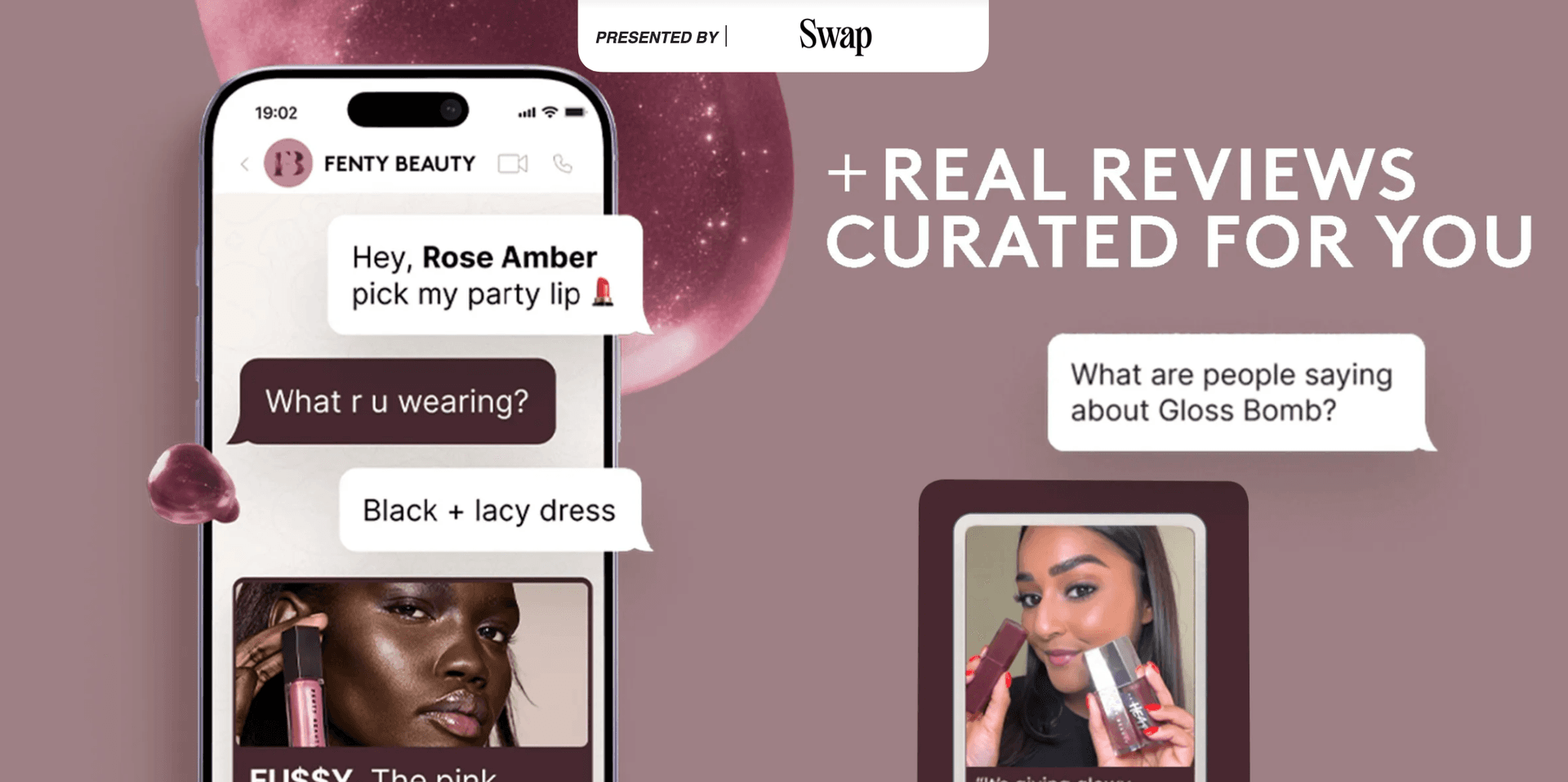
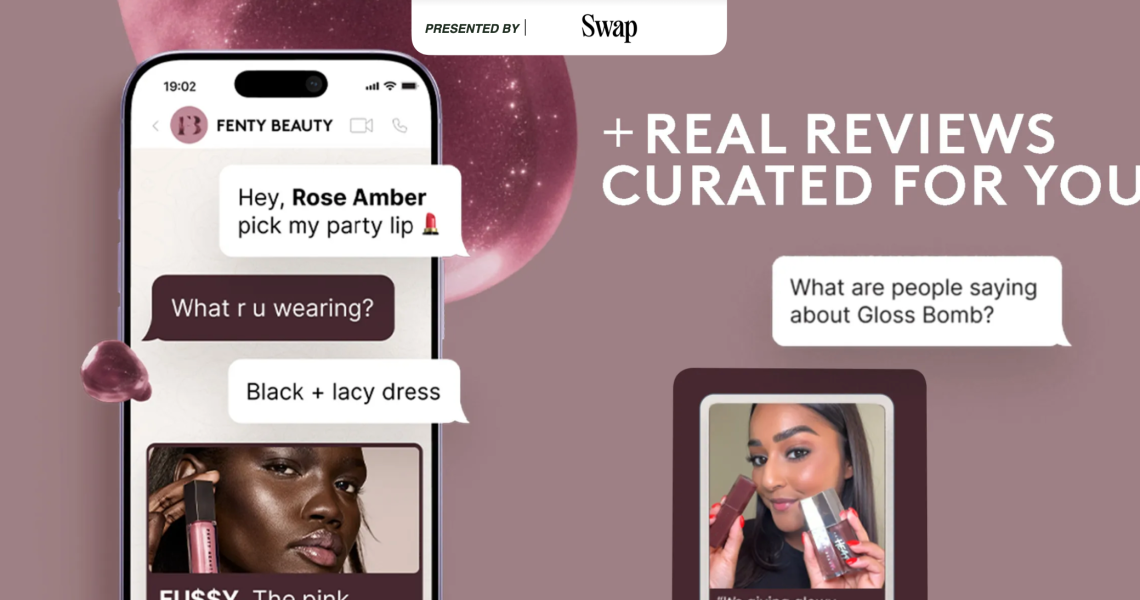
Fenty Beauty, the LVMH-backed cosmetics brand, has officially entered the conversational commerce arena with the launch of "Rose Amber," an AI-powered beauty advisor built for WhatsApp. This marks the brand's first formal partnership with the Meta-owned platform in the United States.
The experience is designed to mimic texting a friend. Users can initiate a chat with the brand on WhatsApp to ask specific questions about skin concerns, take product quizzes, and explore items across Fenty Beauty, Fenty Skin, and Fenty Hair. The AI assistant responds with tailored product recommendations, supplemented by creator tutorial videos and customer reviews. The goal, according to Nanette Wong, Fenty's Global VP of Marketing, is to create a more relatable, one-on-one connection compared to browsing a website or forums.
For Meta, this partnership is a strategic move to expand WhatsApp's utility for businesses beyond basic messaging. A WhatsApp spokesperson highlighted the platform's massive scale, noting that people have over 1 billion active threads with businesses daily across Meta's messaging apps, and nearly 80% of people globally message a business at least once a week.
The source underscores that this is part of a definitive trend in beauty. L'Oréal is a key case study: in Brazil, more than 20% of its direct-to-consumer online sales come through conversational commerce on WhatsApp. The company has found the platform to be six times more effective than email at converting abandoned carts. L'Oréal is also preparing to expand its generative AI-powered "Beauty Genius" tool to WhatsApp in early 2026.
Why This Matters for Retail & Luxury
This move signals a strategic pivot from broadcast marketing to intimate, dialogue-driven engagement. For luxury and premium retail, where customer relationship and service are paramount, messaging apps offer a direct, personal, and high-touch channel.
- Hyper-Personalization at Scale: An AI advisor can provide instant, 24/7 personalized recommendations, mimicking the in-store consultant experience. This is crucial for complex product categories like skincare and makeup.
- Community-Driven Commerce: Fenty's intentional integration of creator videos and customer reviews into the AI's responses leverages social proof within a private channel, building trust and authenticity.
- Global Accessibility: As the WhatsApp spokesperson noted, in many regions, "WhatsApp is a way of life." For global luxury brands, this provides a ubiquitous, low-friction entry point to engage customers in markets where app penetration differs from the West.
- Closing the Purchase Loop: The examples from Delhi (buying subway tickets) and L'Oréal's success in Brazil demonstrate that WhatsApp is evolving from a customer service tool into a full-fledged commerce platform. The next logical step for Fenty and others is integrating seamless in-chat checkout.
Business Impact
The quantifiable impact is already demonstrated by early adopters. L'Oréal's data point—that WhatsApp is six times more effective than email at converting abandoned carts—is a powerful metric that should capture the attention of any e-commerce leader. Generating over 20% of DTC sales in a major market like Brazil through a single messaging channel is not a test; it's a validated revenue stream.

For Fenty, the immediate impact is likely measured in engagement metrics (conversation volume, session length, product link clicks) and conversion lift. The long-term value lies in owning a rich, first-party conversational data stream that can refine product development, marketing, and inventory forecasting.
Implementation Approach
Building an effective AI advisor like "Rose Amber" requires more than just bolting a chatbot onto an API. The technical stack likely involves:

- Conversational AI Engine: A fine-tuned LLM capable of understanding beauty-specific queries, intent, and context. Given Meta's recent flurry of AI research—including methods to fix long-context LLM problems—brands could leverage or be influenced by these underlying platforms.
- Product Knowledge Graph: A structured database linking products, ingredients, skin concerns, shades, and tutorials to enable accurate recommendations.
- Content Integration Layer: Systems to dynamically pull in relevant creator video content and authenticated customer reviews.
- CRM & Analytics Integration: Connecting the chat session to the customer's profile to provide continuity and measure full-funnel impact.
The partnership model with Meta/WhatsApp is critical, as it provides direct access to the platform's business APIs and potential co-development support.
Governance & Risk Assessment
- Privacy & Data Sovereignty: Conducting commerce and personal advice via WhatsApp requires stringent data handling protocols. Brands must be transparent about data usage and comply with regional regulations (GDPR, etc.).
- Brand Voice & Safety: The AI must perfectly embody the brand's tone (in Fenty's case, inclusive, confident, and community-focused). Robust guardrails are needed to prevent hallucinations, inappropriate recommendations, or off-brand communication.
- Channel Maturity: While advanced in regions like Brazil and India, in-app shopping via WhatsApp is still emerging in North America and Europe. Brands must manage customer expectations regarding what transactions are possible.
- Dependency on Platform: Building a flagship service on a third-party platform like WhatsApp introduces strategic risk, subject to API changes, fee structures, and competitive moves by the platform owner.
gentic.news Analysis
This launch is a concrete application of Meta's overarching strategy to embed commerce and AI across its family of apps. It follows a week of significant AI research announcements from Meta, including the Query-only Test-Time Training (QTT) method to improve long-context LLM accuracy (covered in our article "Meta's QTT Method Fixes Long-Context LLM 'Buried Facts' Problem") and the tease of its cryptic 'Avocado' AI project. The "Rose Amber" advisor is the commercial face of this deep R&D investment.
Furthermore, Meta's recent launch of in-app checkout for AI-generated shopping ads on Instagram and Facebook (March 25) shows a parallel, aggressive push to shorten the purchase journey across its ecosystem. WhatsApp is the logical extension of this, focusing on the conversational and service-oriented end of the spectrum.
From a competitive landscape view, while OpenAI and Google compete with Meta in foundational AI model development, Meta holds a distinct advantage in owning the dominant communication channels (WhatsApp, Messenger, Instagram DMs). Integrating AI commerce agents directly into these daily-habit platforms is a moat that pure-play AI companies cannot easily replicate. Fenty's move, alongside L'Oréal's, validates this channel as a serious vector for luxury and retail growth, moving conversational AI from a customer service cost center to a core revenue driver.