In the rapidly evolving landscape of AI-assisted software development, a significant bottleneck has emerged: human attention. As engineers began managing multiple AI coding agents simultaneously, they found themselves spending more time coordinating and supervising these digital assistants than actually doing their core work. This paradox of productivity—where more AI assistance created more managerial overhead—has now been addressed by Cursor's new Automations feature, which represents a fundamental shift in how AI integrates into the software development lifecycle.
The Problem with Agentic Coding
Agentic coding, where AI agents perform specific development tasks, promised to revolutionize software engineering by automating routine coding work. Engineers could theoretically manage dozens of these agents, each specialized in different aspects of development—code review, security auditing, bug fixing, or documentation. However, as Lior OnAI noted in his analysis, "Engineers can now manage 10+ coding agents at once, but human attention became the bottleneck. You can't babysit a dozen agents while also doing your actual job."
The fundamental issue was coordination. Each agent required manual launching, supervision, and context switching, turning engineers into agent managers rather than leveraging AI as a true productivity multiplier. This created what might be called the "agent management paradox"—the more AI assistance available, the less time engineers had for actual engineering work.
Cursor Automations: The Event-Driven Solution
Cursor's Automations feature flips the entire model on its head. Instead of engineers manually launching agents, events trigger automated workflows. A merged pull request can automatically trigger a security audit. A PagerDuty alert can spin up an agent that queries logs and proposes a fix. A cron job can review test coverage gaps every morning without human intervention.
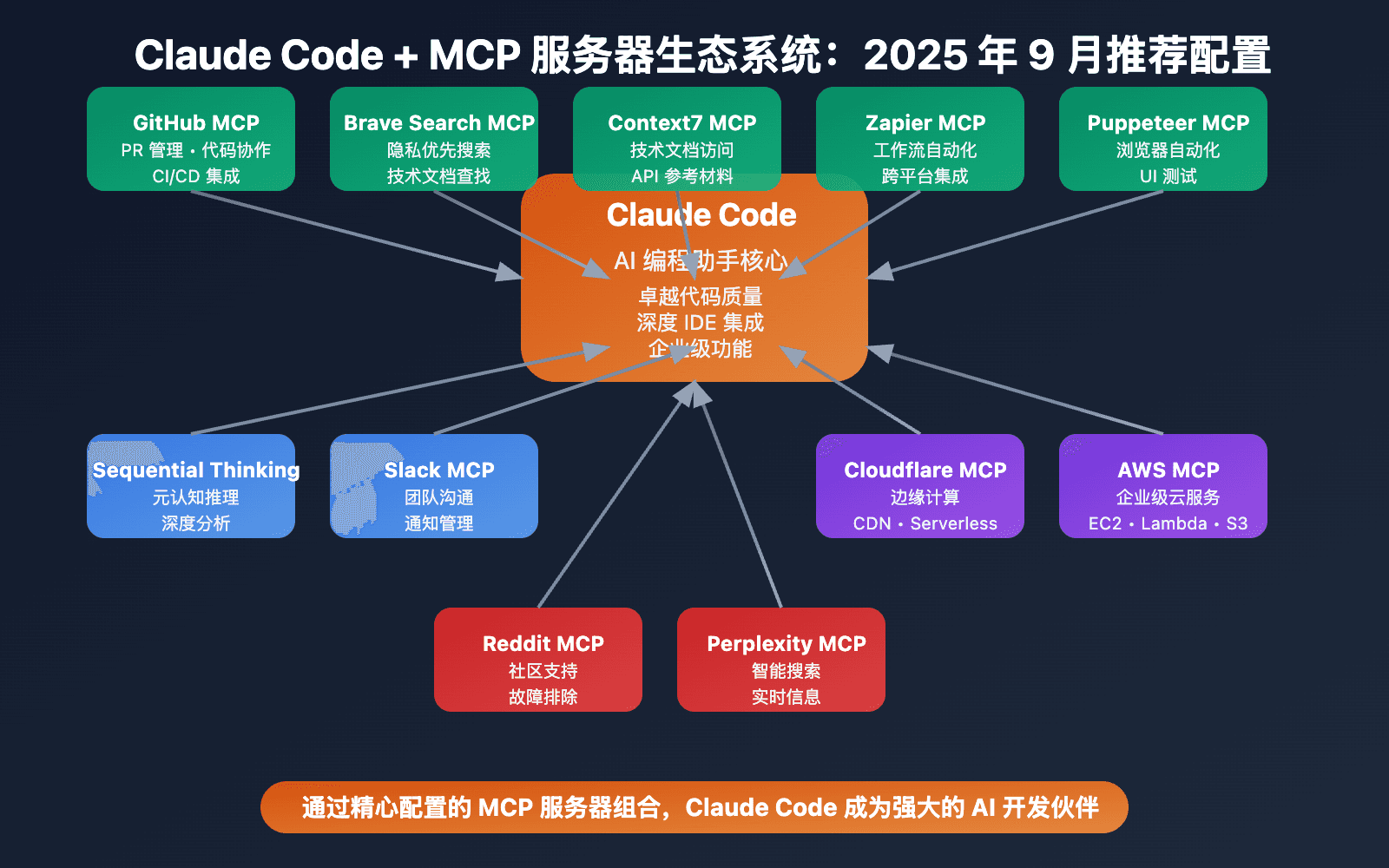
Each automation runs in an isolated cloud sandbox with full access to configured tools through the Model Context Protocol (MCP), a standard protocol that lets agents connect to essential development tools like Slack, Linear, GitHub, Datadog, or any custom API. The agent follows predefined instructions, verifies its own work, and learns from past runs through a built-in memory system.
Four Transformative Capabilities
According to Cursor's internal implementation—where they run hundreds of these automations per hour—this approach unlocks four capabilities that weren't practical before:
1. Continuous Code Review at Human-Impossible Depth
Traditional code review is necessarily limited by human attention spans and time constraints. Even the most diligent engineers skip certain checks when pressed for time. Automated agents can perform exhaustive reviews on every commit, checking for security vulnerabilities, performance issues, and code quality metrics that humans might overlook.
2. Proactive Incident Response
Instead of waiting for engineers to be paged and then begin investigation, automations can start diagnosing issues immediately when alerts fire. This reduces mean time to resolution (MTTR) significantly and can potentially prevent minor issues from escalating into major incidents.
3. Scheduled Maintenance Without Human Memory
Technical debt accumulates not because engineers don't know it exists, but because addressing it requires remembering to do so amid competing priorities. Automated agents can run scheduled maintenance tasks—documentation updates, dependency upgrades, test improvements—without relying on human memory or motivation.
4. Cross-Tool Knowledge Synthesis
Modern development involves dozens of specialized tools, each containing valuable context. Automated agents can synthesize information across these tools, connecting insights from monitoring systems with code repositories, project management tools, and communication platforms.
The Security Implications
Cursor reports that their internal security automation has caught multiple vulnerabilities by auditing every push to main without blocking pull requests. This represents a significant advancement in DevSecOps—security that's integrated rather than bolted on, continuous rather than periodic, and non-blocking rather than creating friction in development workflows.
The Factory Metaphor and Competitive Implications
Lior's analysis concludes with a powerful prediction: "The next two years will be defined by who builds the best factory, not the best code. The companies moving fastest won't be the ones with the best engineers. They'll be the ones whose engineers spent time configuring automations instead of writing code."
This suggests a fundamental shift in competitive advantage in software development. Rather than competing on raw engineering talent alone, organizations will compete on their ability to create and maintain sophisticated automation ecosystems. The "factory" metaphor is apt—it's not about individual craftsmanship but about creating systems that produce consistently high-quality output at scale.
Implementation and Adoption Considerations
For organizations considering implementing similar automation systems, several factors deserve attention:
- Tool Integration: The effectiveness of these systems depends heavily on seamless integration with existing development tools through protocols like MCP.
- Security and Isolation: Running automated agents requires careful attention to security boundaries, especially when granting access to production systems and sensitive data.
- Change Management: Engineers need to transition from writing code to configuring and maintaining automation systems—a significant mindset and skill shift.
- Measurement and Optimization: Organizations will need new metrics to measure the effectiveness of their automation factories beyond traditional productivity measures.
The Future of Software Engineering
Cursor Automations represents more than just another feature in an AI coding assistant. It signals a maturation of AI-assisted development from novelty to infrastructure. As these systems become more sophisticated, we can expect to see:
- Specialized Automation Marketplaces: Pre-configured automations for common development tasks
- Inter-Agent Coordination: More sophisticated systems where multiple specialized agents collaborate on complex tasks
- Regulatory and Compliance Automation: Automated systems for ensuring code meets regulatory requirements
- Personalized Development Environments: Systems that learn individual and team patterns to provide increasingly personalized assistance
The transition from manual agent management to event-driven automation represents what might be called "Phase 2" of AI-assisted development—moving from tools that help engineers write code to systems that help engineering organizations operate more effectively. As these systems mature, the very nature of software engineering work will continue to evolve, with engineers spending less time on implementation details and more time on system design, automation configuration, and strategic problem-solving.