A new article by Harsh Khetpal on Medium presents a compelling vision for the evolution of AI system operations. It posits a critical shift: if 2024 was the year teams shipped their first LLM-backed feature, 2026 will be the year that feature must behave like reliable, production-grade software. This transition necessitates moving beyond traditional MLOps into a new paradigm dubbed AgentOps.
Key Takeaways
- A forward-looking article argues that by 2026, AI systems will be complex, multi-agent software requiring a new operational discipline called 'AgentOps'.
- This evolution from MLOps is necessary to manage reliability, safety, and cost at scale.
What is AgentOps?

The core thesis is that AI systems are evolving from single, monolithic models (like a fine-tuned classifier or a standalone chatbot) into complex, multi-agent software. These systems involve multiple AI agents, tools, and human-in-the-loop components working in orchestrated workflows. Managing these dynamic, stateful, and non-deterministic systems requires a fundamentally different operational playbook than the one used for static model deployment.
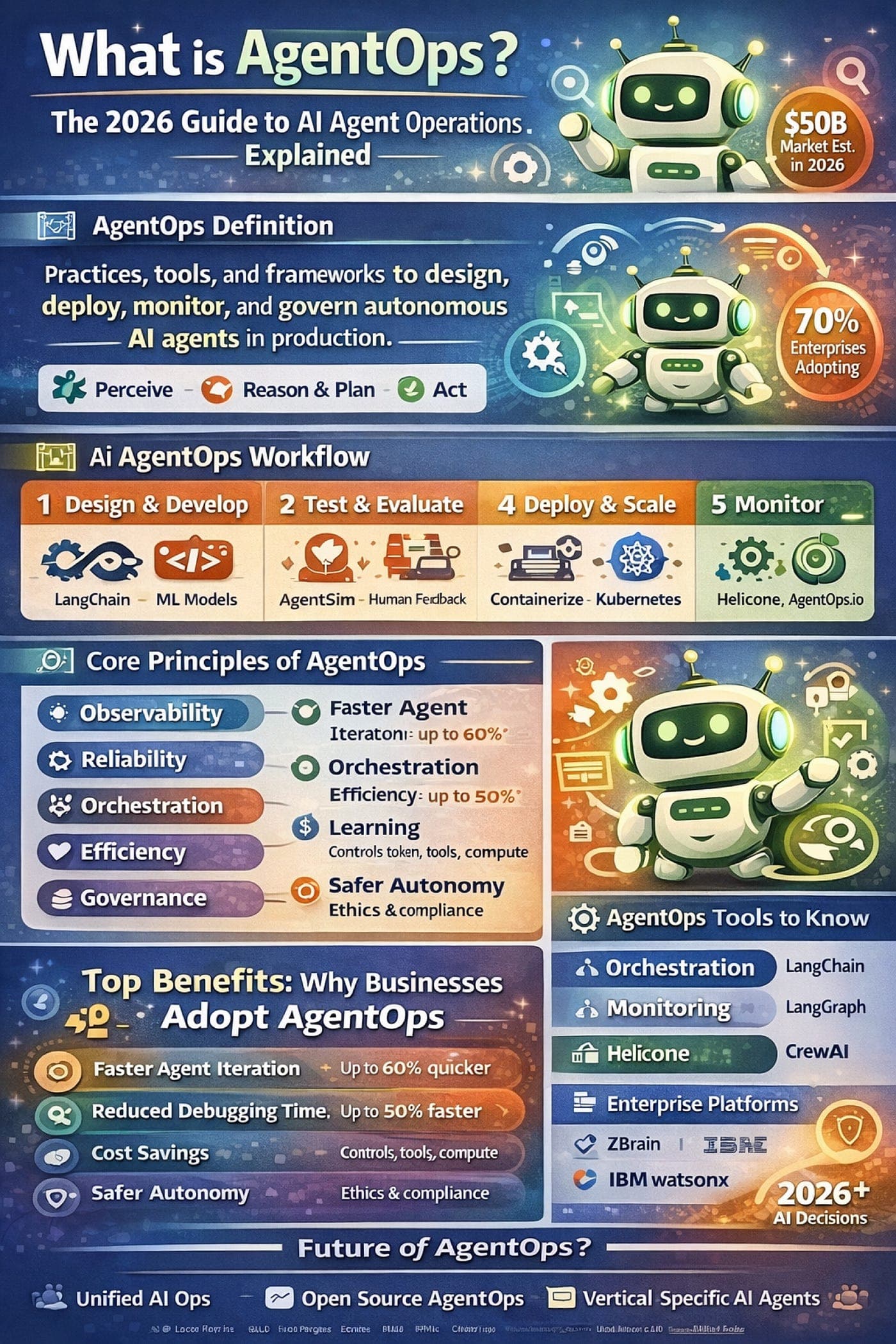
AgentOps, as conceptualized, is the discipline of building, deploying, monitoring, and governing these composite AI applications. It addresses the unique challenges they present:
- Reliability & Safety: Ensuring deterministic outcomes from non-deterministic components, implementing robust error handling, and building guardrails.
- Observability: Moving beyond simple latency and token metrics to tracing complex agent reasoning paths, tool calls, and internal state.
- Cost Management: Granularly tracking and optimizing the cost of multi-step, multi-model interactions, which can be unpredictable.
- Evaluation: Shifting from offline metrics to continuous, LLM-as-a-judge or human-in-the-loop evaluation of entire agentic workflows.
The Technical and Cultural Shift
The article suggests this is not just a technical upgrade but a cultural and procedural shift for engineering teams. It implies a convergence of software engineering best practices (version control, CI/CD, testing) with the unique demands of agentic systems. The "production playbook" would need to cover new areas like prompt lifecycle management, tool registry governance, and session state persistence.
Retail & Luxury Implications
For retail and luxury AI leaders, this vision is highly applicable. The industry is already experimenting with complex AI applications that are precursors to agentic systems:
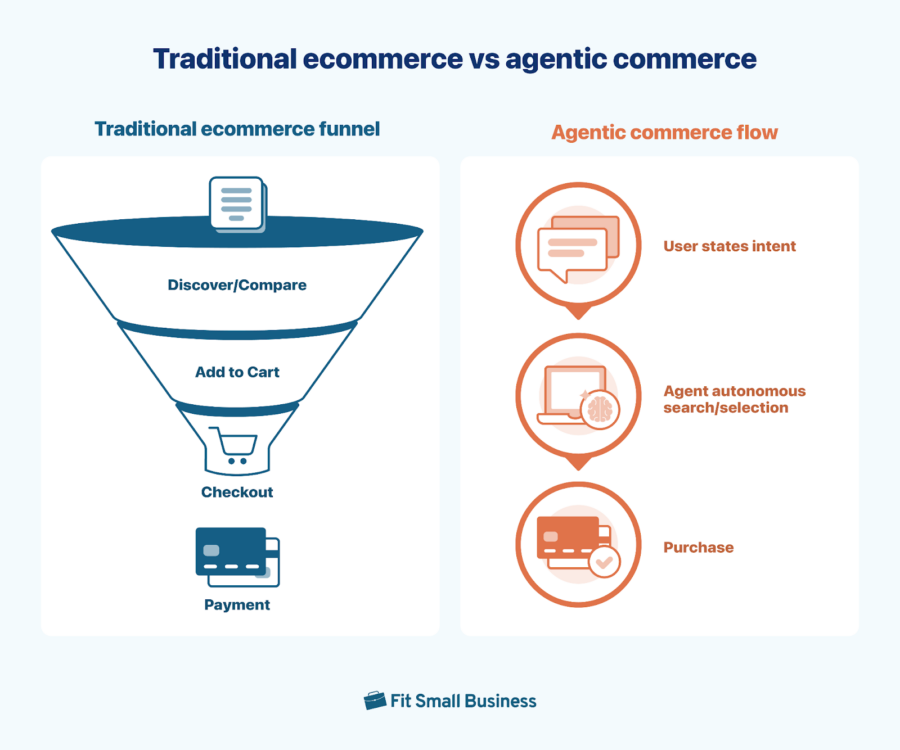
- Hyper-Personalized Concierge: A system that doesn't just answer a query but orchestrates a journey—an agent analyzes a client's purchase history and real-time sentiment, another queries inventory, a third drafts a personalized email, and a human stylist is looped in for approval.
- Dynamic Campaign Management: Multi-agent systems that continuously analyze social sentiment, sales data, and inventory levels to autonomously adjust digital ad copy, targeting parameters, and promotional offers.
- Supply Chain Orchestration: Agents that negotiate with suppliers, predict delays using real-time logistics data, and proactively reroute shipments to meet demand.
These are not single-model tasks. They are software systems with AI at their core, and they will fail in production without the rigorous operational framework AgentOps aims to provide. The move from a chatbot that sometimes works to a mission-critical business process requires this new layer of operational maturity.
Implementation Approach & Governance
Adopting an AgentOps mindset would require retail tech teams to:
- Architect for Observability: Instrument agents from day one with tracing for decisions, tool use, and costs.
- Design for Failure: Assume agents will make wrong turns; build comprehensive fallback mechanisms and human escalation pathways.
- Govern the Toolkit: Strictly manage which external tools (APIs, databases) agents can access, with clear security and compliance audits.
- Benchmark Holistically: Define success metrics for the entire agentic workflow's business outcome, not just the accuracy of one component.
The governance risks are significant, touching on data privacy (as agents access sensitive customer data), brand safety (ensuring autonomous communications align with brand voice), and financial control (preventing runaway agentic loops that incur massive API costs).
gentic.news Analysis
This conceptual framework aligns with the strategic direction major cloud providers and AI platforms are taking. While the term "AgentOps" is emerging, the underlying need is driving real product development. Microsoft's Azure AI Studio and Google's Vertex AI are increasingly adding features for orchestrating multi-step reasoning paths and evaluations, moving beyond simple model endpoints. This follows a broader industry trend where infrastructure is evolving to support more complex AI applications, as we noted in our analysis of AI's role in personalized retail.
For luxury retail, where customer experience is paramount and margin for error is low, the principles of AgentOps are not optional. A hallucinating product recommendation agent is a bug; an unhinged, autonomous client concierge agent is a brand crisis. The companies that will successfully deploy the next generation of AI—moving from neat demos to robust, scaled software—will be those that invest in this operational infrastructure early. They will build the playbook for reliability, safety, and cost control before their competitors, turning advanced AI from a risky experiment into a durable competitive advantage.
The journey from MLOps to AgentOps is ultimately about maturing AI from a research-driven project into an engineering discipline. For retail leaders, the 2026 timeline is a call to action: the foundational work for building these operational muscles needs to start now.