Key Takeaways
- Glance and Productsup partnered to enable agentic commerce for enterprise brands.
- MarTech Cube and TechInformed covered the announcement, with Dr.
- Martens cited as an early adopter.
What Happened
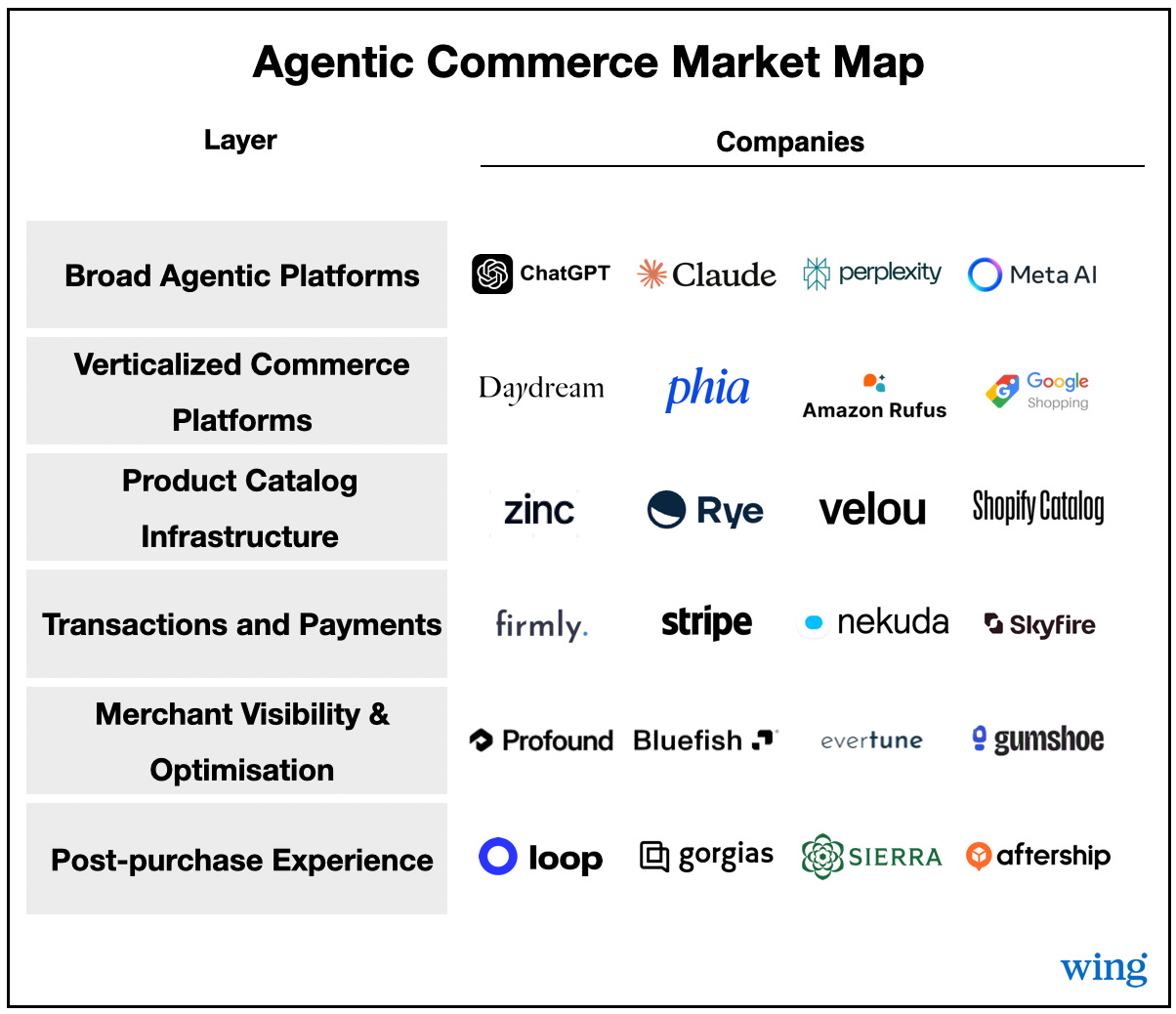
Glance and Productsup have announced a partnership to bring agentic commerce to enterprise brands. The collaboration pairs Glance's AI-powered product discovery platform with Productsup's product data management (PIM/PCM) capabilities, enabling AI agents to autonomously navigate product catalogs, compare options, and complete purchases on behalf of consumers.
The announcement, covered by MarTech Cube and TechInformed, positions agentic commerce as the next evolution of e-commerce — moving beyond recommendation engines to fully autonomous purchasing agents that understand intent, context, and product attributes.
TechInformed's coverage highlights Dr. Martens as an early adopter, exploring how the heritage footwear brand is "lacing up" for this shift. The brand's involvement suggests agentic commerce is moving from concept to production in recognizable retail environments.
Technical Details
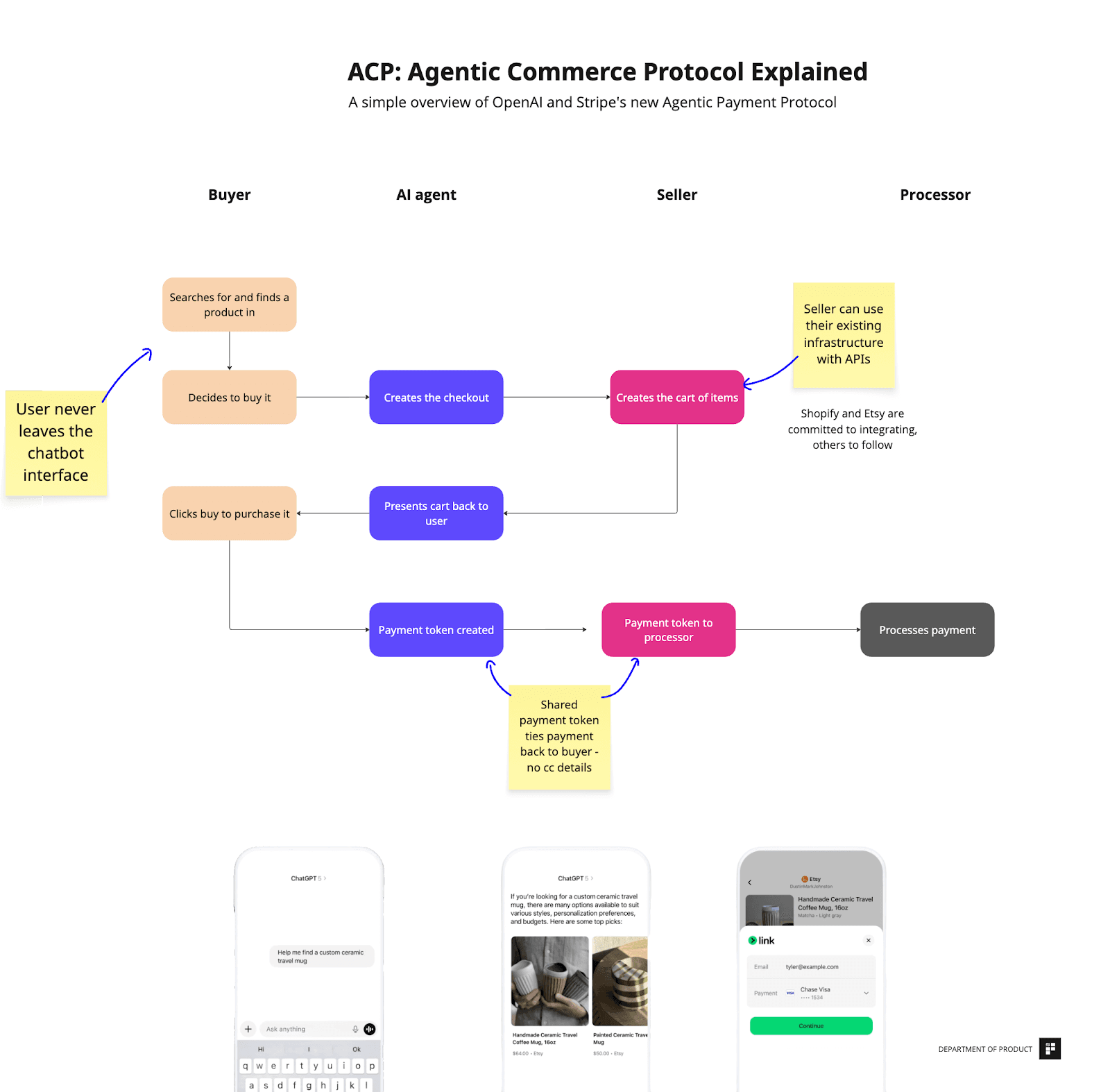
Agentic commerce differs from traditional e-commerce in a fundamental way: instead of a human browsing a website, an AI agent interacts with product data directly. This requires:
- Structured, machine-readable product data — Productsup's core competency, ensuring product attributes, pricing, availability, and specifications are consistent and accessible across channels.
- AI-native discovery — Glance's platform, which handles product matching, comparison, and recommendation logic optimized for agent interactions rather than human visual browsing.
- Transaction enablement — The ability for agents to complete purchases, which requires integration with checkout, payment, and fulfillment systems.
For enterprise brands, this means product data can no longer be optimized solely for human eyeballs on a website. It must be structured for machines that will parse, compare, and act on it autonomously.
Retail & Luxury Implications
The partnership signals a shift in how enterprise brands must think about their digital storefronts. For luxury and retail companies, the implications are significant:
Product data becomes the new storefront. When AI agents shop on behalf of consumers, the quality of structured product data — not visual merchandising — determines whether a product gets selected. Brands with clean, complete, attribute-rich product feeds will win agent-driven purchases.
Dr. Martens as a bellwether. The heritage brand's early adoption suggests that even established, traditionally-minded retailers recognize the need to prepare for agentic commerce. If a brand built on counterculture authenticity is investing here, the economics must already be compelling.
A new competitive dimension. Brands that previously competed on brand equity, store experience, and visual presentation now face a new battleground: how well their products are represented in machine-readable formats. This is a different skill set than traditional retail merchandising.
Business Impact
The source material does not provide specific metrics on expected ROI, adoption rates, or performance improvements. What is clear is the strategic direction: both companies are positioning for a future where AI agents are significant participants in commerce.
For enterprise brands, the practical impact will be measured in:
- Share of agent-driven purchases — how much of their revenue flows through autonomous purchasing.
- Data readiness — whether their product catalogs can support agentic discovery without manual intervention.
- Competitive positioning — whether they are prepared before competitors lock in agent preferences.
The Dr. Martens example suggests real deployment, but the source does not disclose results. Treat this as early-stage signal rather than proven ROI.
Governance & Risk Assessment
Several considerations should temper enthusiasm:
- Maturity level: Agentic commerce is nascent. While the technology exists, consumer adoption of autonomous purchasing agents remains limited.
- Brand control: When agents make purchase decisions, brands lose some control over the presentation and narrative that drives luxury purchasing decisions.
- Data governance: Agent-driven commerce requires exposing product data in structured formats, which raises questions about data security, competitive intelligence, and channel control.
- Error handling: Autonomous agents making purchases introduce new failure modes — incorrect product selection, pricing errors, or fulfillment issues that require robust dispute resolution.
Implementation Approach
For enterprise brands considering agentic commerce, the path forward involves:
- Audit product data quality — Assess whether current product information is complete, structured, and machine-readable.
- Standardize across channels — Ensure consistency across all sales channels, as agents will likely compare offers across retailers.
- Pilot with a trusted partner — Work with platforms like Glance and Productsup that have existing integrations and expertise.
- Monitor agent behavior — Track how AI agents interact with product data to identify gaps in coverage or accuracy.
gentic.news Analysis
This partnership represents a pragmatic bet on a future that has been discussed extensively but deployed rarely. Glance and Productsup are not building new AI models — they are adapting existing infrastructure to serve a new class of customer: the AI agent. This is a sensible, low-risk position that leverages their existing strengths in product discovery and data management.
The involvement of Dr. Martens is the most telling signal. A heritage brand with a strong identity choosing to engage with agentic commerce suggests that the conversation has moved beyond experimental and into strategic planning. However, the absence of disclosed results means we should treat this as directional rather than proven.
For AI practitioners in retail and luxury, the key takeaway is preparation. The infrastructure for agentic commerce — structured product data, API-enabled catalogs, machine-readable pricing — is the same infrastructure required for many other AI initiatives. Investing in data quality and standardization now positions a brand for whatever form agentic commerce ultimately takes, whether that is Glance's vision or something that evolves differently.
The competitive risk is asymmetrical. Brands that prepare face modest costs and potential upside. Brands that ignore the shift risk being invisible to a growing class of purchasing agents — a difficult position to reverse once agent preferences and habits are established.
Source: news.google.com