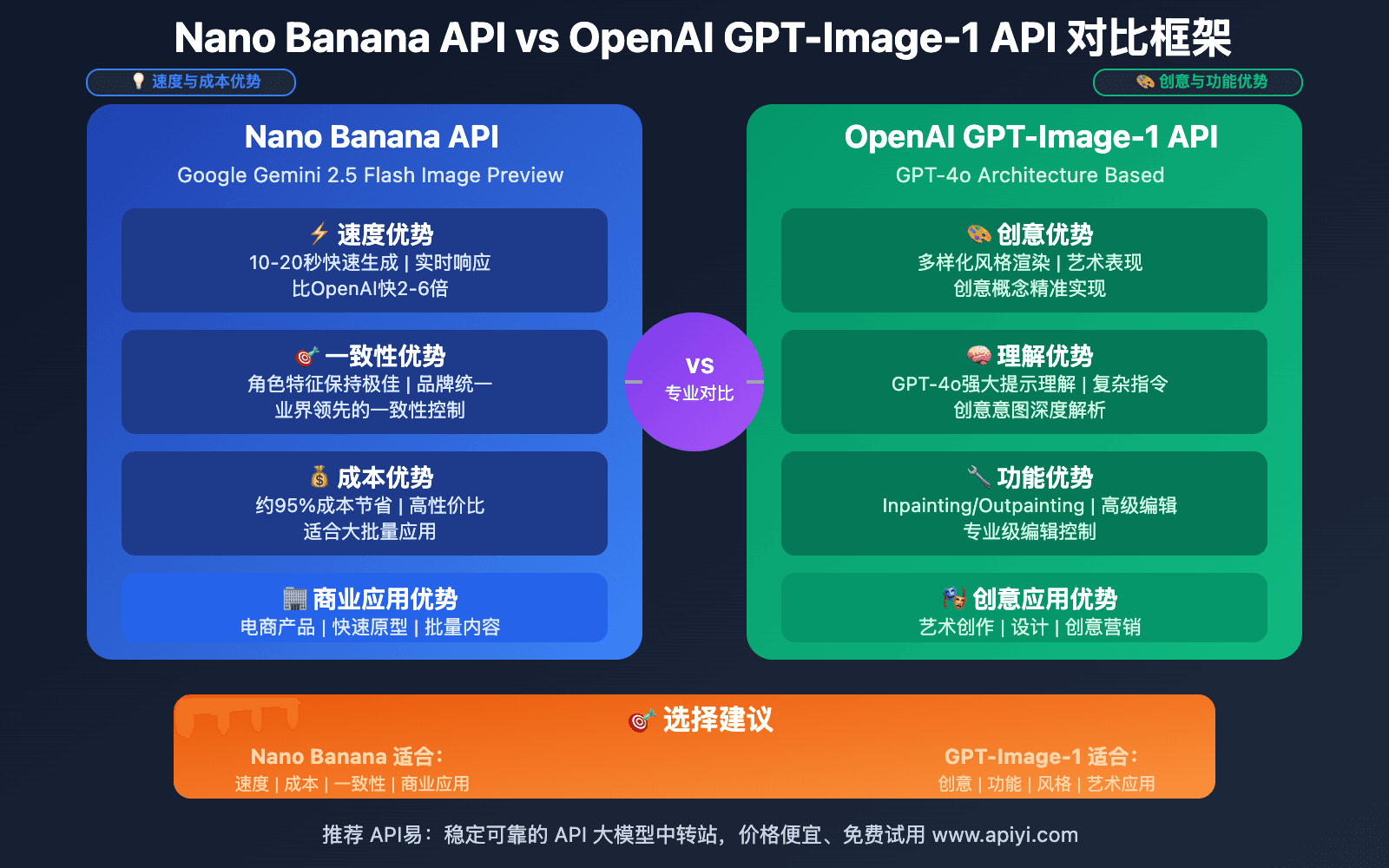
A single, enigmatic social media post from an AI-focused account has sparked discussion among technical observers. The post, containing only the text "GPT Image 2 > Nano Banana 2," suggests a direct performance comparison between two unreleased or lesser-known AI image models.
Key Takeaways
- A cryptic social media post suggests OpenAI's GPT Image 2 outperforms the Nano Banana 2 model in an unspecified benchmark.
- This hints at active, unreleased development in the multimodal AI space.
What Happened
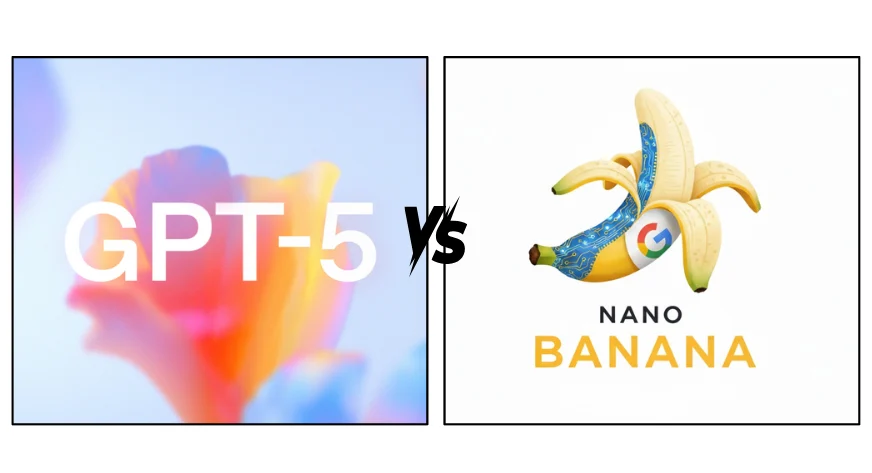
The source is a tweet from the account @intheworldofai that makes a simple, declarative comparison: "GPT Image 2 > Nano Banana 2." No context, benchmarks, datasets, or scoring metrics are provided. The post implies that a model referred to as "GPT Image 2"—presumably a multimodal or image-generation model from OpenAI—outperforms a model called "Nano Banana 2."
Context & Known Entities
- GPT Image 2: This name strongly suggests a successor to a potential "GPT Image" model from OpenAI. While OpenAI has not officially announced a product by this name, it aligns with the company's trajectory toward more integrated, multimodal systems beyond text. The "GPT" prefix ties it directly to OpenAI's flagship model family.
- Nano Banana 2: This is a more obscure reference. "Nano Banana" could be an internal codename, a model from a research lab, or a smaller-scale project. The "2" indicates it is also a second-generation model. Without further data, its origin and capabilities are speculative.
The lack of detail is significant. For a technical audience, a claim of superiority (>) without supporting evidence is merely a signal of ongoing development or competitive positioning, not a verifiable result.
The Implication for Practitioners
For AI engineers and researchers, the primary takeaway is not the result but the activity it signals. The naming suggests that multiple entities are iterating on specialized or multimodal image models. The mention of a "GPT Image" lineage points to OpenAI potentially formalizing a distinct image-model product track alongside its large language models, which could have implications for API offerings and architectural approaches.
gentic.news Analysis
This cryptic benchmark aligns with the intense, behind-the-scenes competition in multimodal AI that we've tracked throughout 2025 and into 2026. Following the release of models like Google's Gemini 2.0 Pro and Anthropic's Claude 3.5 Sonnet with enhanced vision capabilities, every major lab is pushing the boundaries of integrated understanding. The mention of a "GPT Image 2" suggests OpenAI is not merely adding vision features to GPT-5, but may be developing a separate, optimized model stack for visual tasks—a strategy akin to having specialized code models (like OpenAI's own reported "Strawberry" project).
The comparison to "Nano Banana 2" is particularly intriguing. If "Nano" implies a small, efficient model, this could be a benchmark focused on performance-per-parameter or latency, not just raw accuracy. This would fit the industry trend we covered in our analysis "The Great Compression: How 3B-Parameter Models Are Challenging Giants," where smaller, distilled models are achieving surprising parity on specific tasks. This tweet could be a leak from an internal efficiency benchmark, not a pure quality contest.
Without published metrics, this serves more as a market signal than a technical one. It indicates that the next phase of competition may involve a proliferation of model variants—general-purpose LLMs, code models, image specialists, and ultra-efficient "nano" versions—all being benchmarked against each other in private. For developers, the key question becomes not just which model is best, but which model is best for a specific cost-performance profile.
Frequently Asked Questions
What is GPT Image 2?
GPT Image 2 is presumed to be an unreleased image-generation or multimodal understanding model developed by OpenAI. The name suggests it is a second-generation model, potentially building upon research or an internal project called "GPT Image." It has not been officially announced by OpenAI.
What is Nano Banana 2?
The origin and specifications of Nano Banana 2 are unknown. The name suggests it could be a small-scale ("Nano"), potentially efficient model, possibly from a research group or a smaller company. It is also a second-generation model, indicating ongoing development in a niche or specialized domain.
Is "GPT Image 2 > Nano Banana 2" a verified result?
No. The claim comes from a social media post with no supporting data, benchmarks, or evaluation details. It should be treated as an unverified signal of development activity, not a conclusive technical result.
What does this mean for the future of AI image models?
It signals continued rapid iteration and competition in the multimodal space. The emergence of model names like these suggests a future with more specialized model families (general text, code, images, audio) from major providers, alongside efficient models targeting specific use cases or constraints.