What Happened
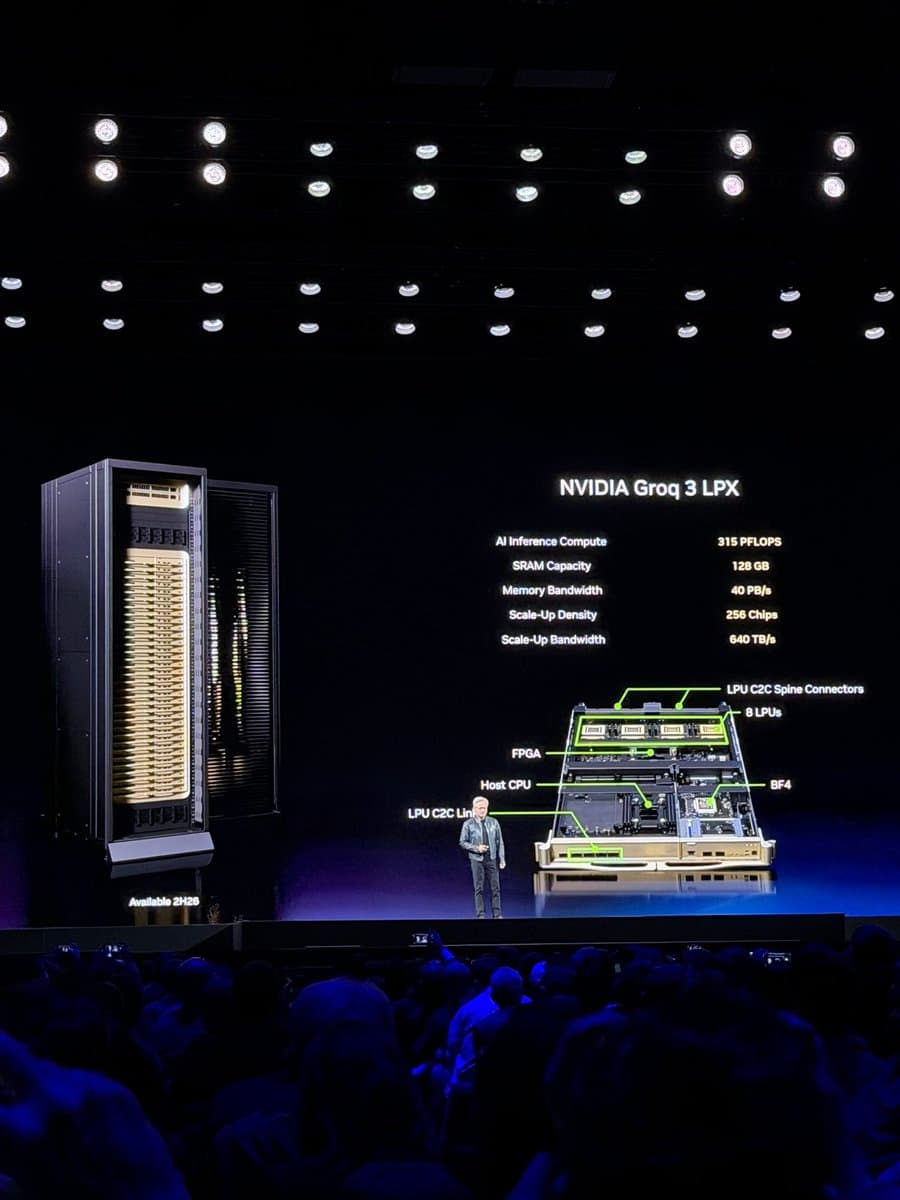
Groq has announced the development of its next-generation inference platform, named Groq LPX. According to a post on X (formerly Twitter) by a user sharing company information, the platform is projected to begin shipping in Q3 2026.
The post contains a link to a Groq webpage, which, as of this reporting, appears to be a placeholder or announcement page for the LPX platform. No technical specifications, performance benchmarks, or architectural details for the LPX were provided in the initial announcement.
Context
Groq is a semiconductor company known for its deterministic, low-latency GroqChip and associated inference systems. The company's current offering is built around a Tensor Streaming Processor (TSP) architecture, which is designed to run AI models, particularly Large Language Models (LLMs), with predictable latency and high throughput.
The announcement of the LPX platform suggests a multi-year roadmap for Groq's hardware. A Q3 2026 target places the launch over two years from now, indicating a significant development cycle. This timeline is relevant for developers and companies evaluating inference hardware, as it sets expectations for when a next-generation option from Groq might be available for deployment.
Given the lack of technical detail, the LPX likely represents a major architectural or process node advancement over the current GroqChip systems. The naming convention "LPX" may hint at a focus on performance-per-watt, latency, or a specific form factor, but this is speculative without official documentation.
Key Takeaway: The primary information confirmed is the product name and a target shipping window. All technical and performance claims await future detailed announcements from Groq.