The Technique — A Master CLAUDE.md for SaaS Projects
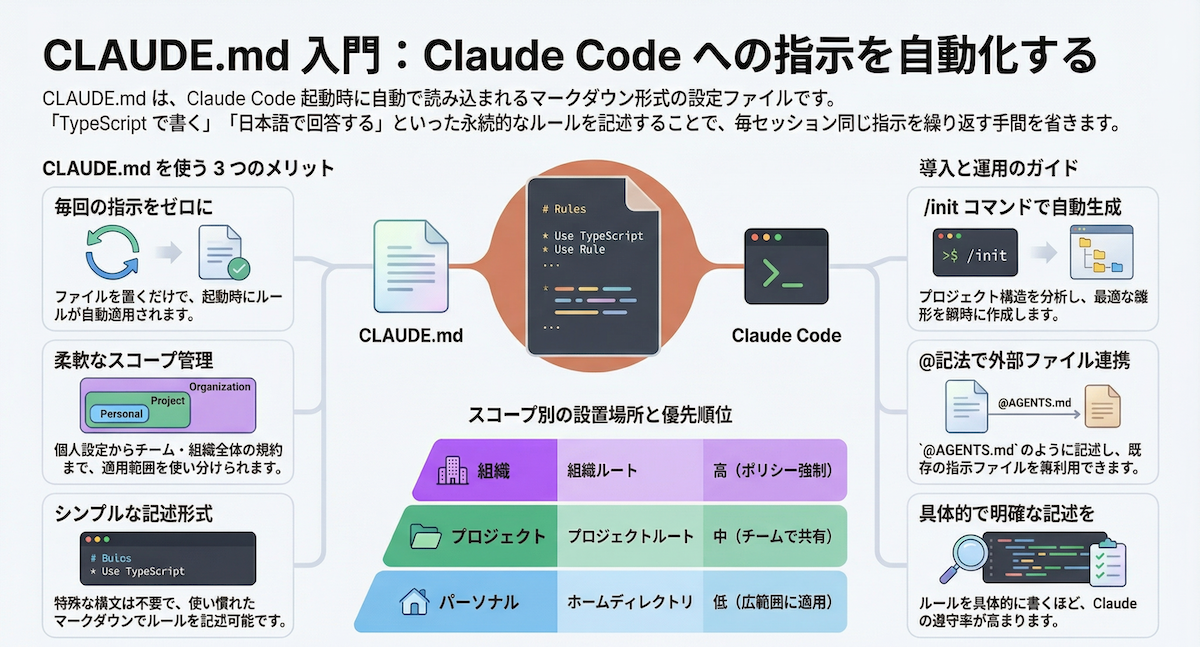
A developer recently conducted a 30-day experiment to replace their entire SaaS development workflow with engineered Claude prompts. The core finding wasn't just that Claude Code could handle the tasks—it was that a single, strategically organized CLAUDE.md file could act as the central orchestrator for the entire project lifecycle.
This master file moved beyond simple instructions. It was structured into distinct, actionable phases that Claude Code could execute autonomously, creating a repeatable pipeline for building software.
Why It Works — Contextual Phasing and Outcome Engineering
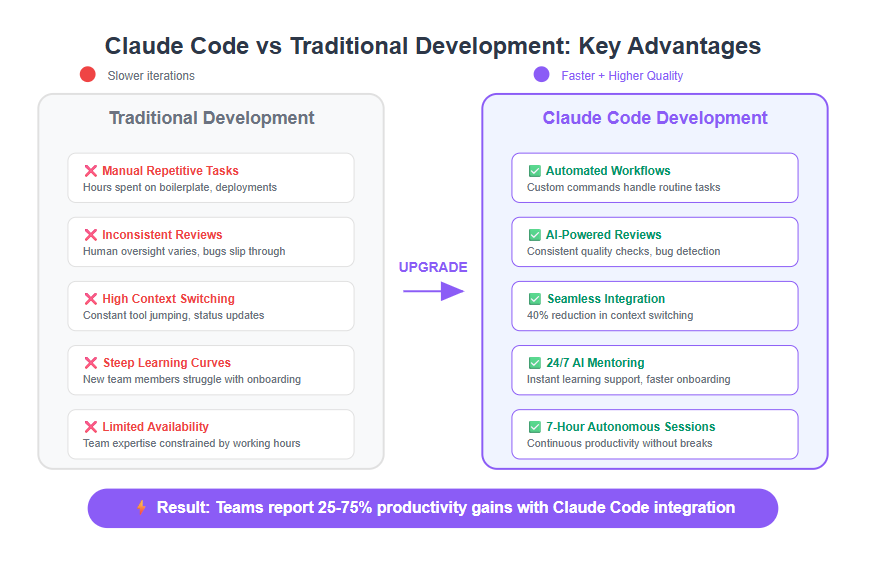
This approach works because it aligns with Claude Code's agentic capabilities and the model's strength in complex, multi-step reasoning. By breaking down the monolithic "build a SaaS" task into sequenced phases within one document, you provide:
- Preserved Context: All project goals, architecture decisions, and previous phase outputs remain in the active context window for the next phase, reducing hallucinations and inconsistencies.
- Clear Guardrails: Each phase has defined inputs, success criteria, and deliverables, which is the essence of Outcome Engineering. This tells Claude not just what to do, but how to know it's done correctly.
- Efficient Token Usage: A structured plan prevents meandering conversations and re-explaining the project. Claude executes against a known blueprint.
How To Apply It — Building Your Orchestration File
You don't need to start from scratch. Model your CLAUDE.md after this experiment's successful phases. Here is a template you can adapt:
# Project Orchestrator: [Your SaaS Name]

## Phase 1: Discovery & Specification
**Goal:** Transform the core idea into a technical spec.
**Input:** A 2-3 sentence concept.
**Claude Code Command:** `claude code --task "Begin with Phase 1"`
**Deliverables:**
- Clear problem statement.
- User persona and core user story.
- List of primary features (MVP vs. Future).
- Recommended tech stack with justification.

## Phase 2: System Architecture & Schema Design
**Goal:** Create the foundational blueprints.
**Input:** Approved spec from Phase 1.
**Claude Code Command:** `claude code --task "Proceed to Phase 2 using the approved spec"`
**Deliverables:**
- System architecture diagram (as code/mermaid).
- Database schema (SQL or Prisma format).
- Core API endpoint definitions.

## Phase 3: Core Implementation Sprint
**Goal:** Build the functional backbone.
**Input:** Architecture from Phase 2.
**Claude Code Command:** `claude code --task "Execute Phase 3 implementation"`
**Deliverables:**
- Database migration scripts.
- Implemented core models/services.
- Basic API routes with CRUD operations.
- Authentication boilerplate.

## Phase 4: UI/UX & Frontend Integration
**Goal:** Create a functional user interface.
**Input:** Working backend from Phase 3.
**Claude Code Command:** `claude code --task "Move to Phase 4 frontend work"`
**Deliverables:**
- Core page components (React/Vue/etc.).
- API integration hooks/services.
- Basic styling framework or theme.

## Phase 5: Deployment & DevOps Automation
**Goal:** Ship the application.
**Input:** A complete, working codebase.
**Claude Code Command:** `claude code --task "Finalize with Phase 5 deployment"`
**Deliverables:**
- Dockerfile or platform-specific config (e.g., `vercel.json`).
- CI/CD pipeline sketch (GitHub Actions workflow).
- Environment variable documentation.
- Basic monitoring/health check setup.

## Project Constants & Rules
- Primary Framework: [e.g., Next.js 15]
- Database: [e.g., PostgreSQL with Prisma]
- Styling: [e.g., Tailwind CSS]
- NEVER write placeholder code like `// TODO`. Implement fully.
- All new code must include error handling.
- After each phase, run the linter and any existing tests.
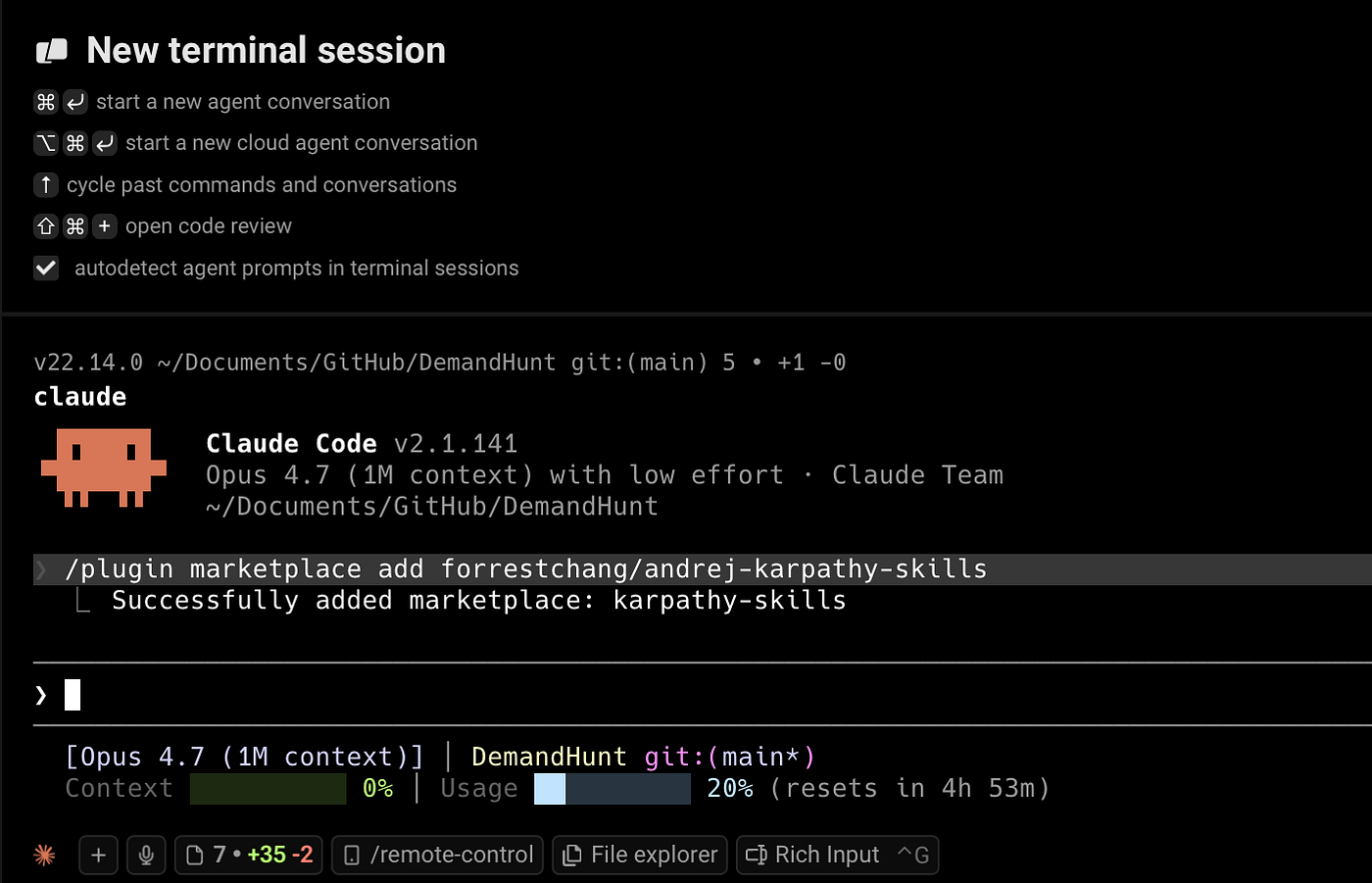
To use it, initialize your project and place this CLAUDE.md in the root. Start with claude code --task "Begin with Phase 1. Idea: [Your 2-sentence idea here]". After reviewing and approving each phase's output, instruct Claude to proceed to the next.
The experiment reported that this method created a coherent, buildable application where context was maintained from start to finish. The key is treating CLAUDE.md not as a static note, but as a dynamic runbook for your AI agent.