NVIDIA CEO Jensen Huang made several significant announcements during an appearance on the All-In Podcast, outlining strategic shifts in AI infrastructure, market opportunities, and industry dynamics.
What Huang Announced
~$20 Billion Groq Integration: Huang confirmed NVIDIA is integrating Groq's LPU (Language Processing Unit) technology into its Vera Rubin platform, calling it a "seal" that ends the "GPU monoculture for inference." He claimed the LPU technology delivers 35x faster token generation compared to previous GPU-based approaches.
Physical AI as $50-70 Trillion Market: Huang identified physical AI—robotics and systems that interact with the physical world—as the next massive opportunity. "The world happens out where the world is," he stated, predicting "every company is about to become a robotics company" with NVIDIA positioned as the infrastructure provider.
OpenClaw Launch: NVIDIA introduced OpenClaw, described as "the new operating system for modern AI computing" and reportedly the fastest-growing open-source project ever. The platform enables AI agents to transition from thinking to doing—executing actions rather than just generating responses.
Industry Commentary and Predictions
Critique of AI 'Doomer Hype': Huang specifically called out Anthropic for "communication mistakes" regarding existential risk narratives, suggesting such messaging creates unnecessary public relations crises for the AI industry.
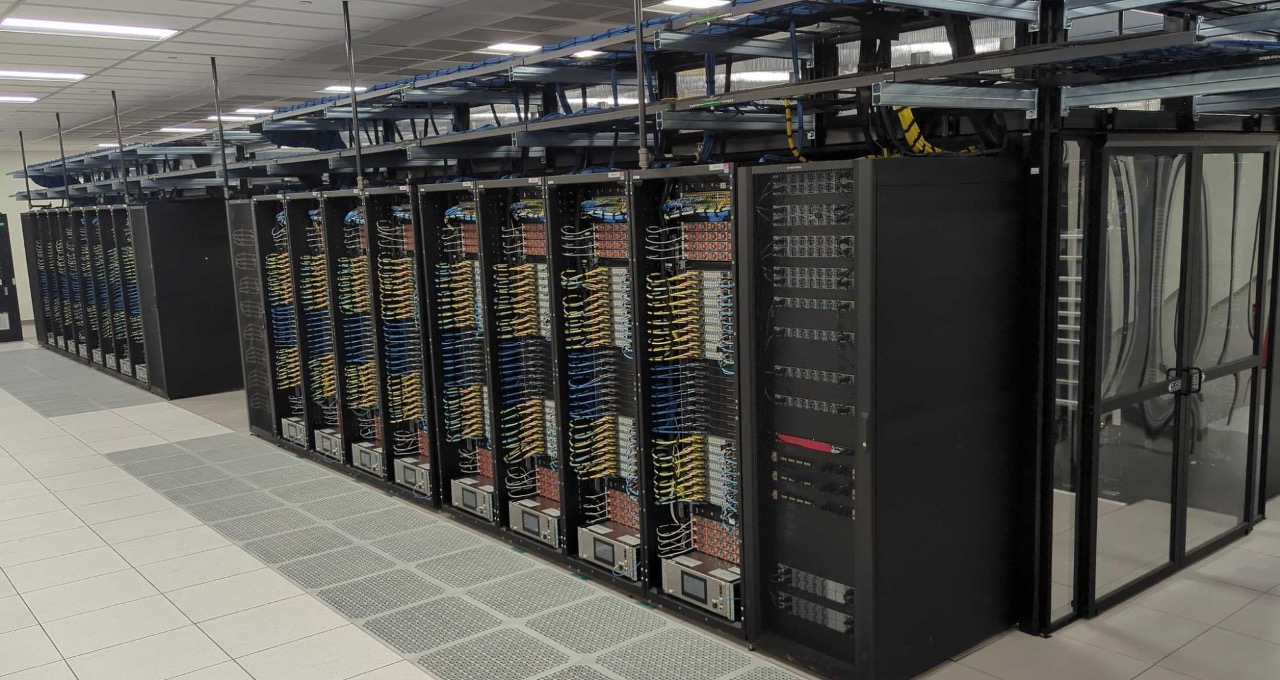
NVIDIA's Growth Trajectory: Huang indicated NVIDIA is on a path to $1 trillion+ in annual revenue, reframing data centers as "token factories" that produce AI outputs rather than just process data.
Compensation Innovation: He revealed some Silicon Valley companies are already using "token budgets" as part of engineer compensation packages, treating AI usage allowances as a recruiting advantage.
Practical Implications
Huang advised professionals to "embrace agents and learn to 'DO' with AI," predicting a "massive jobs boom" as AI capabilities expand into physical domains. The Groq integration specifically addresses inference bottlenecks that have limited real-time AI applications, while OpenClaw provides the software layer for agentic systems.
Source: Summary of Jensen Huang's statements on the All-In Podcast as reported by @kimmonismus on X/Twitter.