Kunluncore filed for a STAR Market IPO on May 7, 2026, claiming a first-to-light 32K GPU cluster in China. The AI chip designer pursues a dual-listing path to fund R&D and scale production amid US export curbs.
Key facts
- Filed for STAR Market IPO on May 7, 2026.
- Claims first 32K GPU cluster in China.
- Pursues dual-listing path (STAR + secondary).
- Competes with Cambricon, Horizon Robotics, Baidu.
- IPO valuation and fundraising target undisclosed.
Kunluncore, a Chinese AI chip designer, officially filed for a STAR Market IPO on May 7, 2026, according to Pandaily. The company claims to be the first in China to light a 32K GPU cluster, a milestone that signals domestic ambition to build large-scale AI infrastructure despite US export restrictions on advanced chips.
Unique take: the IPO tests whether Chinese investors will fund homegrown AI chip makers as an alternative to Nvidia. Kunluncore designs chips but relies on contract manufacturers for fabrication, a vulnerability given Taiwan tensions and US sanctions. The dual-listing path—likely targeting Hong Kong or Shenzhen—suggests the company needs multiple capital sources to finance its 32K cluster and future clusters.
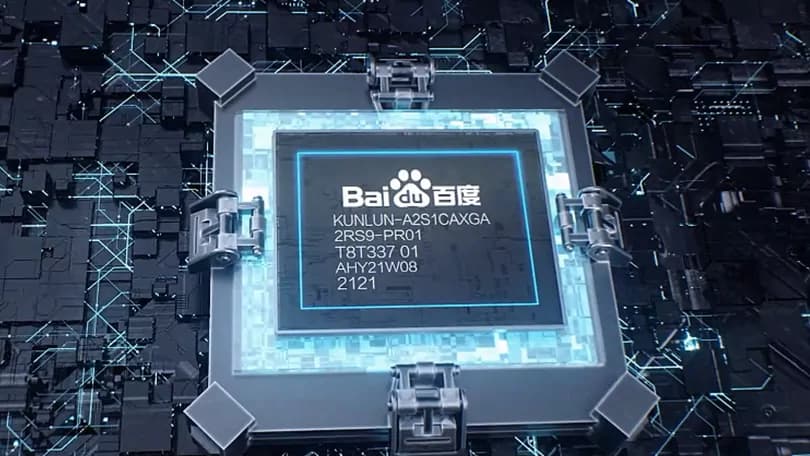
The 32K GPU cluster claim is notable but unverified. [According to Pandaily], the company did not disclose the cluster's GPU type, performance metrics, or power consumption. Chinese firms often tout cluster size as a proxy for AI capability, but without benchmark scores, the claim remains marketing. Kunluncore's competitors include Cambricon, Horizon Robotics, and Baidu's Kunlun chip unit, all vying for domestic AI chip market share.
Why the dual-listing path matters
Dual-listing provides Kunluncore with a liquidity hedge and access to different investor bases. The STAR Market, China's Nasdaq-style board for tech firms, offers higher valuations but stricter scrutiny. A secondary listing could attract international investors wary of direct China exposure. However, US-China tech decoupling may limit foreign appetite.
Financials and risk

Kunluncore did not disclose its IPO valuation or fundraising target in the filing. The company's revenue and profitability remain opaque; Chinese AI chip startups often burn cash on R&D without immediate product revenue. The 32K cluster likely consumes tens of megawatts, adding operational costs. Investors should watch for disclosed financials in the prospectus, expected in coming weeks.
What to watch
Watch for Kunluncore's IPO prospectus in June 2026, which will disclose revenue, R&D spend, and the 32K cluster's GPU sourcing. A successful listing could spark a wave of Chinese AI chip IPOs; failure would reinforce investor skepticism toward domestic alternatives.