Leaked 'Claude Cowork' Setup Shows AI Agent Automating Browser Tasks, Compressing Workflows

Leaked 'Claude Cowork' Setup Shows AI Agent Automating Browser Tasks, Compressing Workflows

A leaked configuration for a system called 'Claude Cowork' demonstrates an AI agent automating browser-based tasks, reportedly compressing a workday into 90 seconds. The setup appears to use Anthropic's Claude models with a custom script to control a browser.

1d ago·2 min read·10 views·via @hasantoxr·via @hasantoxr
Share:

What Happened

A social media post from user @hasantoxr claims that someone has leaked a complete configuration for a system called "Claude Cowork." The core claim is that this setup uses an AI agent to automate browser-based work, dramatically compressing the time required for certain tasks. The original post states it can "compress an entire workday into 90 seconds."

While the full technical details or source code were not provided in the visible post, the term "Claude Cowork" strongly suggests the system is built around Anthropic's Claude models, likely accessed via API. The mention of a "setup" implies a configuration file, script, or set of instructions that defines the agent's workflow.

Context

The leak aligns with a growing trend of developers and power users creating custom AI agents to automate complex, multi-step digital tasks. These agents typically combine a large language model (LLM) like Claude or GPT-4 with a framework for tool use, such as controlling a browser (via Puppeteer, Playwright, or Selenium), interacting with APIs, or manipulating files.

A system named "Claude Cowork" would logically position Claude as a "coworker" that can execute tasks autonomously after being given a goal. The reported ability to compress a workday into a very short timeframe points to automation of repetitive, rules-based digital work—data entry, form filling, information scraping, or multi-step web application workflows.

Without access to the leaked materials, the specific capabilities, reliability, and scope of the setup remain unclear. The claim highlights the ongoing, user-driven experimentation in AI agent workflows outside of official product releases from major AI labs.

AI Analysis

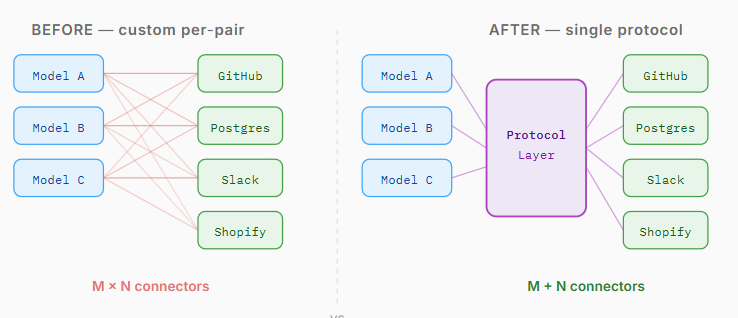
The leak, if authentic, is a concrete data point in the rapidly evolving space of **AI agents for process automation**. It's less about a novel technical breakthrough from Anthropic and more about the applied engineering happening in the community. The significant time compression claim (workday to 90 seconds) should be viewed with extreme skepticism for general work, but it may be plausible for a specific, highly repetitive, and well-defined digital task that the script was built to handle. Practitioners should note the implied tech stack: a leading LLM (Claude) for planning and reasoning, coupled with a browser automation framework for action. This is the standard architecture for current state-of-the-art agents. The value is entirely in the **orchestration logic, error handling, and the specificity of the workflow definition**—the 'setup.' This is where the real engineering challenge lies: making an agent robust enough to handle edge cases and exceptions without human intervention. The mention of 'Claude' specifically is interesting. It suggests the developer chose it over other models, possibly for its strengths in **instruction following, safety, or context window length**, which are critical for reliable agentic workflows. This leak underscores that the most immediate productivity gains from current AI may not be from chatting with a model, but from deploying it as an automated backend worker for tedious digital tasks.
Original sourcex.com

Trending Now

More in Products & Launches

View all