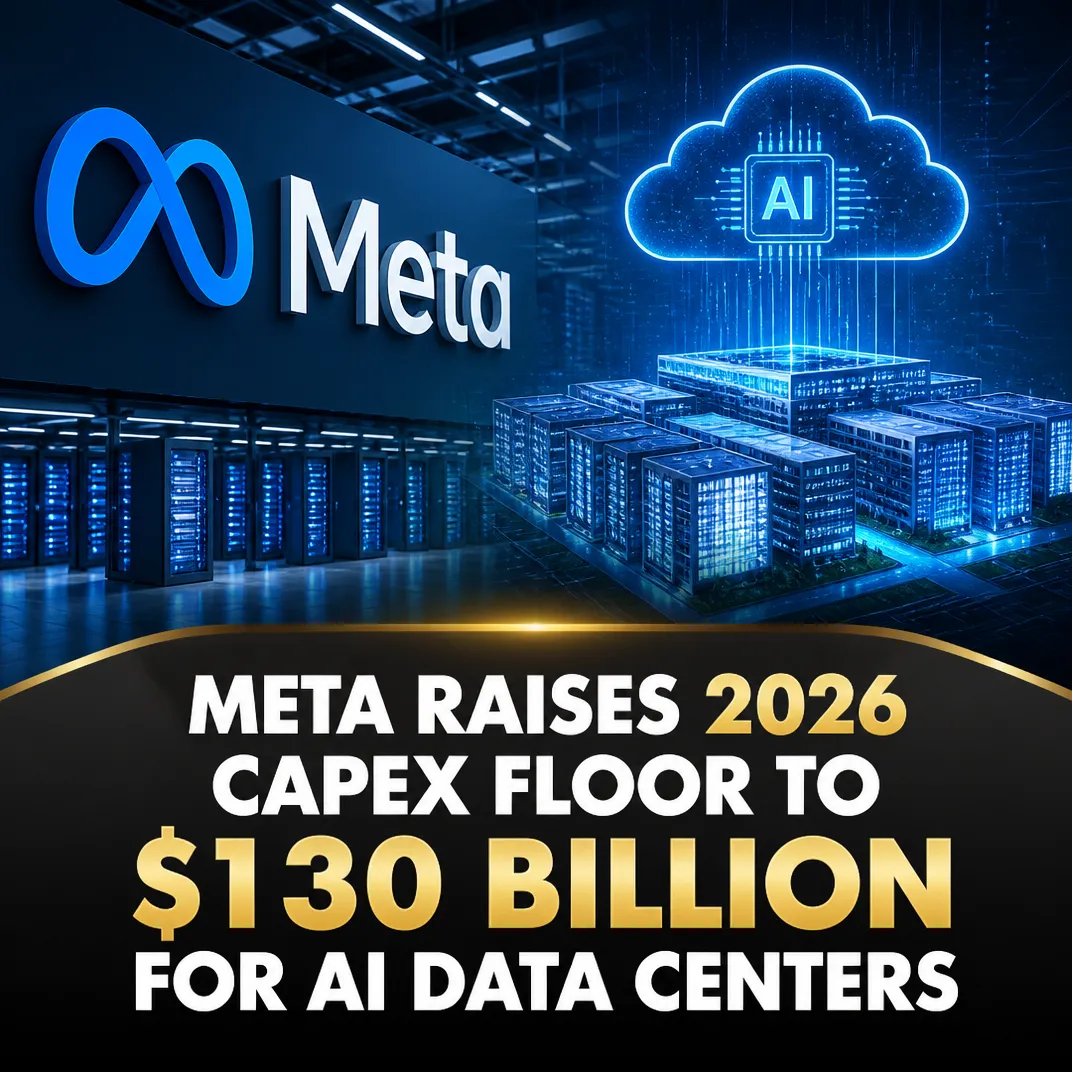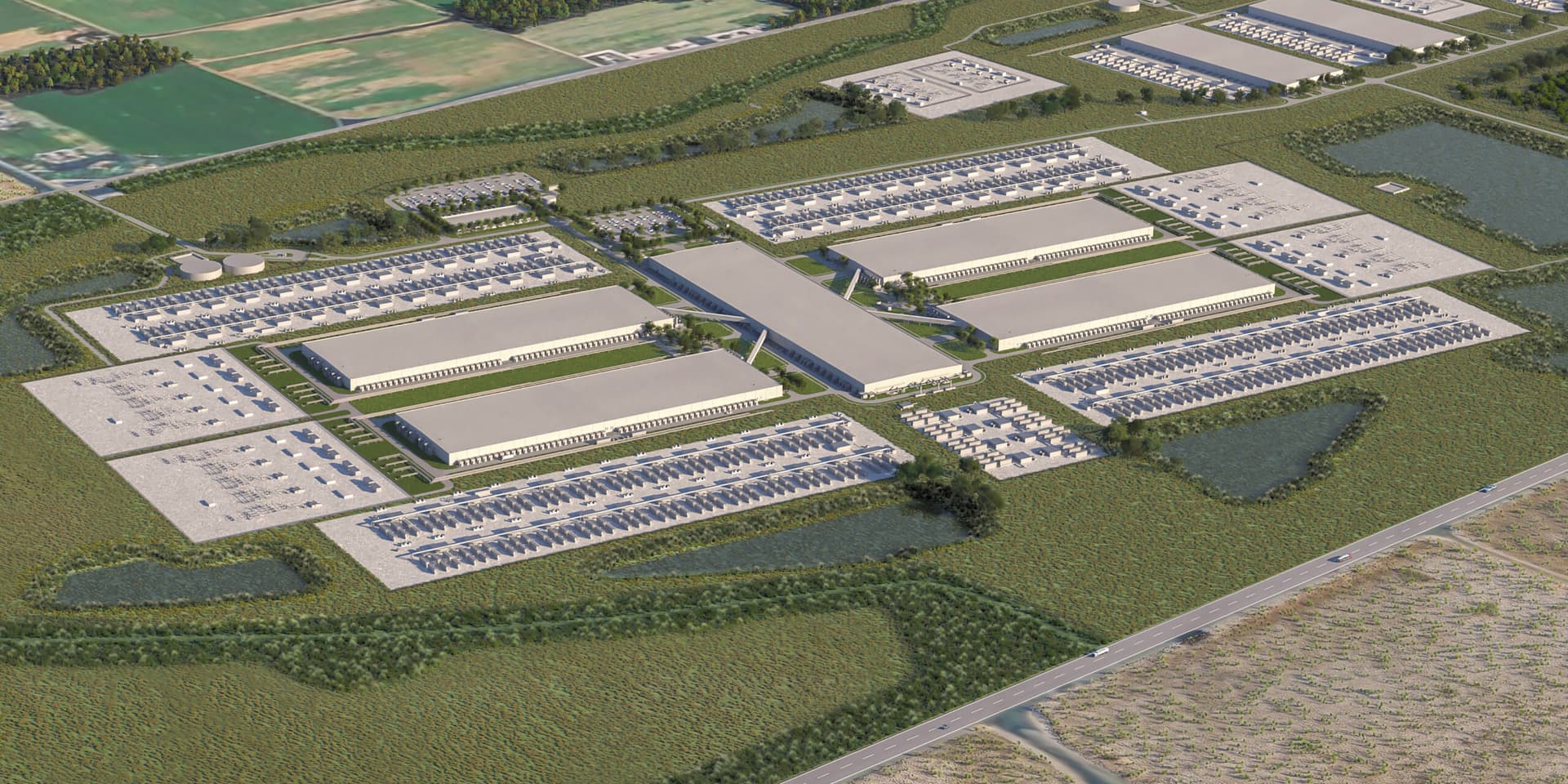
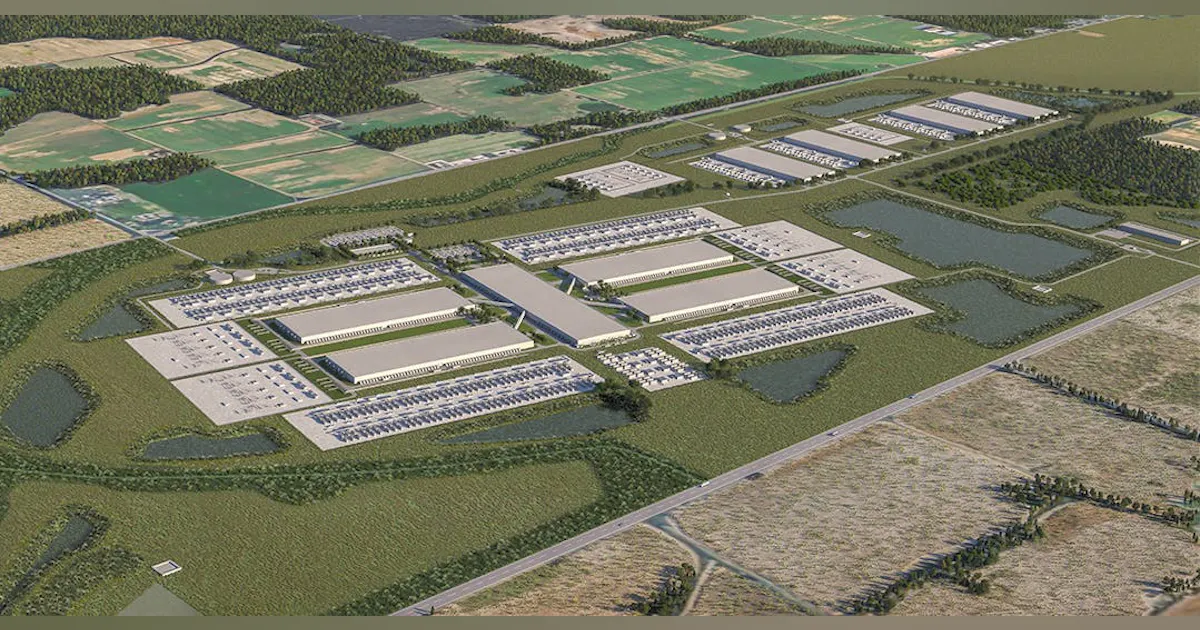
Meta is investing $27 billion to build an AI data center in rural Louisiana. The project, expected to create 2,000 construction jobs and 1,000 permanent positions, underscores the escalating infrastructure costs of scaling foundation models like Llama 4.
Key facts
- $27 billion total investment in Louisiana AI data center.
- 2,000 construction jobs and 1,000 permanent positions.
- Estimated 500 MW power demand for the facility.
- Part of Meta's $60B+ 2025 AI infrastructure spend.
- Facility expected online in phases starting 2027.
Meta's $27 billion AI data center in rural Louisiana represents a bet on both cheap land and aggressive tax incentives. The facility, located in a region with historically high unemployment, is projected to create 2,000 construction jobs and 1,000 permanent operational roles. Meta's total AI infrastructure spending in 2025 now exceeds $60 billion, according to public filings.
Key Takeaways
- Meta invests $27B in rural Louisiana AI data center, creating 2,000 construction jobs.
- Part of $60B+ 2025 infrastructure spend.
The Rural Economics of AI Scale
This project highlights a structural shift: AI data centers are moving beyond traditional tech hubs to lower-cost, less-populated areas. Louisiana offered significant tax breaks and expedited permitting, according to local economic development officials. However, the region's power grid capacity is a limiting factor — the facility will require an estimated 500 MW, straining local utilities.
The $27 billion figure is notable not just for its size but for what it reveals about Meta's competitive posture. While Google and Microsoft are building data centers near major interconnection points, Meta is opting for remote sites with lower operational costs. This mirrors its earlier strategy with traditional data centers in places like Prineville, Oregon.
Competitive Implications
Meta's open-source Llama strategy demands massive inference capacity as well as training compute. The Louisiana site will likely serve both functions, hosting clusters for training Llama 4-class models and serving inference for the 500 million+ monthly active users across Facebook, Instagram, and WhatsApp. [According to the source] The facility is expected to come online in phases starting 2027.
The unique take: Meta's rural infrastructure bet may give it a cost advantage over hyperscalers building in high-cost metro areas, but it introduces operational risk around power reliability and talent retention. The Louisiana site is 90 minutes from the nearest major city (Baton Rouge), making it harder to attract top AI engineers for on-site work.
What to watch
Watch for Meta's Q3 2026 earnings call where it may disclose the facility's power purchase agreements (PPAs) and whether the project stays on schedule. Also track Louisiana's grid reliability reports as the 500 MW load comes online.