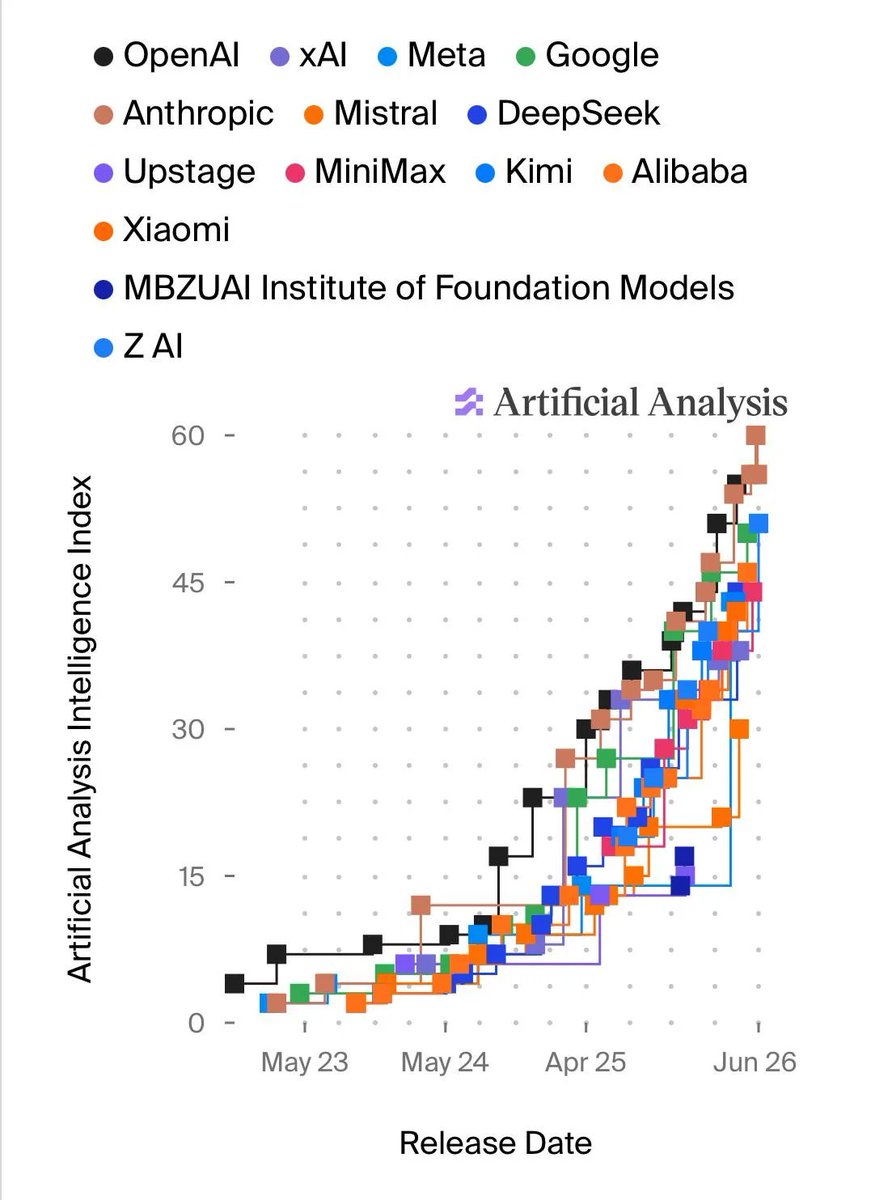
Meta has officially postponed the release of its highly anticipated "Avocado" AI model to at least May 26, according to recent reports. The delay comes after internal evaluations revealed the model is currently trailing behind the latest technology from competitors, particularly Google's Gemini 3.0, in critical performance areas such as coding and agentic behavior.
While the Avocado model reportedly shows improvements over Meta's previous AI iterations, it has failed to meet internal benchmarks when compared to leading industry offerings. This development marks a significant setback for the social media giant, which has invested approximately $135 billion in its AI infrastructure and ambitions.
The Competitive Landscape
The AI race has intensified dramatically in recent months, with Google's Gemini 3.0 establishing new standards for performance across multiple domains. According to sources familiar with Meta's internal testing, Avocado's shortcomings in coding capabilities and agentic behavior—referring to AI systems that can autonomously perform complex tasks—have proven particularly problematic.
This performance gap has created such urgency within Meta that the company has reportedly considered licensing Google's Gemini technology to power its own products in the short term. Such a move would represent a remarkable admission of competitive disadvantage from a company that has historically positioned itself as an AI leader.
Strategic Pivot Under New Leadership
The Avocado delay coincides with major strategic shifts at Meta under the leadership of new Chief AI Officer Alexandr Wang, who joined the company in June 2025. Since Wang's arrival, Meta has undergone significant internal reorganization, including layoffs and the departure of AI pioneer Yann LeCun, whose open-source advocacy had long influenced the company's approach.
Meta appears to be moving away from its historical commitment to open-source AI development toward a more proprietary, paid model strategy. This shift aims to help recoup the company's massive AI investment while creating sustainable revenue streams from its technology. The Avocado model was expected to be a flagship product in this new commercial approach.
Broader AI Portfolio and Implications
Despite the Avocado setback, Meta continues development on other AI projects, including the video-focused "Mango" model and the massive "Behemoth" system. However, the delay of what was positioned as a near-term competitive offering suggests the company may be struggling to maintain its pace in the race toward advanced AI capabilities.
The situation highlights the increasing challenges even well-resourced technology giants face in keeping pace with rapid AI advancements. With competitors like Google, OpenAI, and Anthropic pushing the boundaries of what's possible, the margin for error has narrowed considerably.
What's Next for Meta AI
Meta now faces a critical period as it works to improve Avocado's capabilities ahead of the new late-May release window. The company must address technical shortcomings while navigating internal cultural shifts from open-source to proprietary development models.
The coming months will reveal whether Meta can close the competitive gap or if the delay represents a more fundamental challenge to its AI ambitions. With billions invested and strategic repositioning underway, the success or failure of Avocado could significantly influence Meta's position in the AI landscape for years to come.
Source: Reports from WION and industry analysts, including details from @rohanpaul_ai on X.