Washington, DC — Hyperscale cloud providers have fundamentally rewritten their data center planning playbooks to handle the unpredictable surge of AI workloads, moving from fixed multi-year roadmaps to continuous rebalancing systems that absorb volatility rather than eliminate it.
At the Data Center World 2026 session "Landing Data Center Workloads: How Hyperscalers Plan, Scale, and Adapt," senior executives from Microsoft and Google detailed how they translate rapidly changing AI demand into physical capacity. The core insight: traditional forecasting methods have broken down under AI's explosive growth, forcing a shift to range-based modeling, tighter feedback loops, and infrastructure designed for late-stage flexibility.
What's Changed: From Point Forecasts to Range-Based Planning
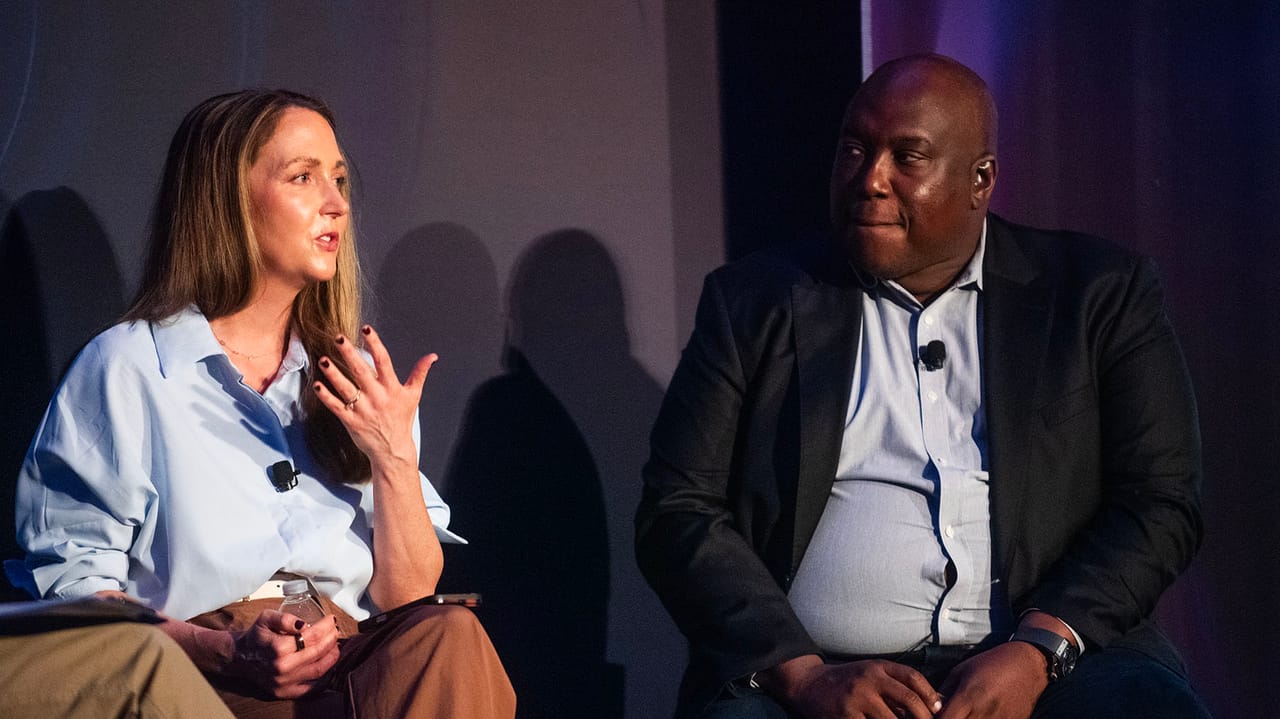
Julianne Carroll, senior director of M365 capacity management at Microsoft, framed the core problem succinctly: "We plan for an envelope as opposed to a point estimate."
This represents a fundamental departure from traditional data center planning, where companies would forecast specific capacity needs years in advance and build accordingly. With AI demand changing faster than new capacity can come online—often due to what Carroll calls "inorganic" demand from new features, regional expansions, and business models—precise predictions have become impossible.
Microsoft now models ranges of potential outcomes rather than single projections. To manage this uncertainty, the company has tightened integration between product, engineering, and supply chain teams. "The integration between the product group and the engineering organization, and the supply chain organization, is tighter than ever," Carroll said. "We have so many more touchpoints and automation... to be the most agile and flexible."
Planning reviews now occur at least weekly, with adjustments made as new signals emerge—a dramatic acceleration from the quarterly or annual reviews common just a few years ago.
Google's Similar Approach: Control What You Can, When You Can
Shen Jackson, director of energy at Google, described a similar constraint-driven model. "There's nothing we can really do about anything within the year," he noted. "But there's a lot we can do to affect things that are one to two years out."
This acknowledgment of different planning horizons—near-term inflexibility versus longer-term adaptability—has led Google to build planning models around ranges and probabilities. The goal isn't perfect prediction but creating enough flexibility to absorb late changes without breaking the system.
Technical Implementation: Modular Design and Delayed Binding
Both companies are pushing binding decisions as late as practically possible and designing infrastructure specifically to make this viable.
Carroll pointed to "optionality and fungibility by design," using modular architectures so workloads can shift late in the deployment process. "We have shorter planning cycles, and we edit more regularly than we have in the past," she said.
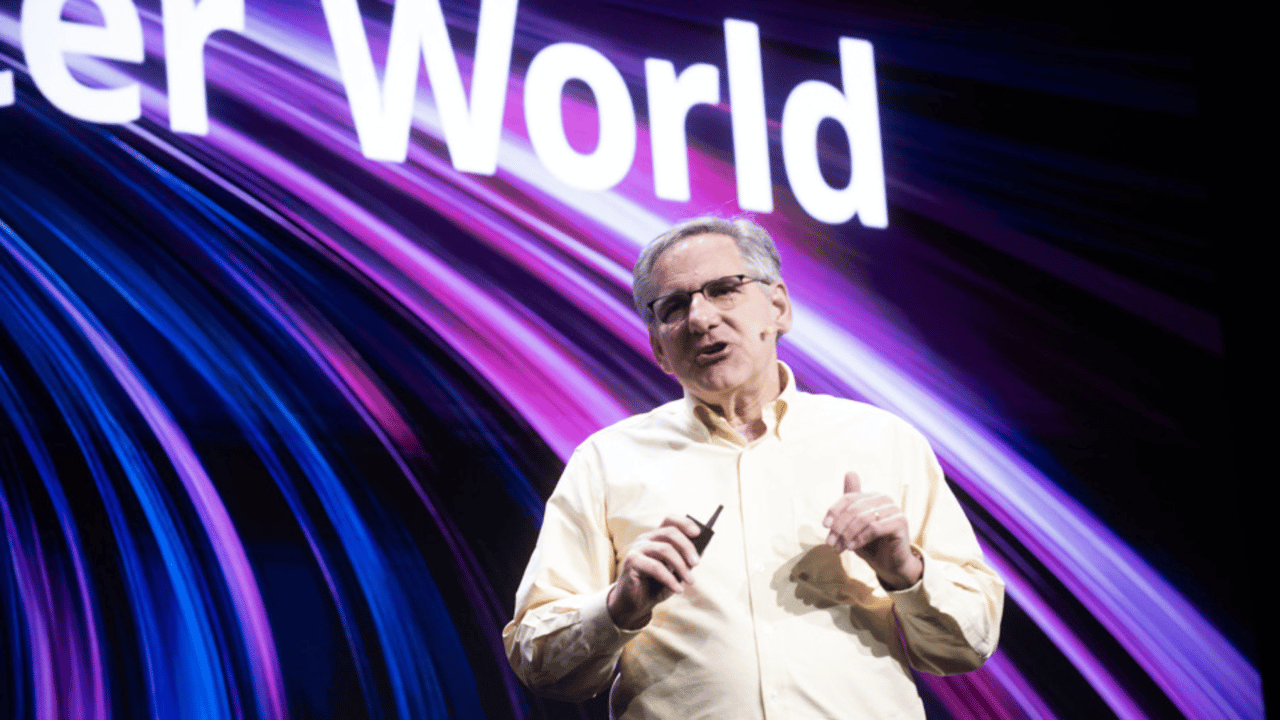
Jackson described similar behavior at Google, where even near-complete facilities may see changes in how capacity is ultimately deployed. "We try to move that decision point as close to the launch date... as possible," he explained. "When it's no longer virtual, that's when it gets expensive."
This approach depends on infrastructure that can support multiple workload types. At Google, that includes balancing GPUs and internally developed TPUs, which often have different power, cooling, and networking requirements. "We have to design fungible data centers," Jackson said.
Key Numbers: The Planning Shift in Practice
Forecasting Method Point estimates Range-based modeling Planning Cycles Quarterly/Annual At least weekly reviews Decision Binding Early commitment As late as possible Infrastructure Design Fixed purpose Modular and fungible Demand Classification Historical patterns only Includes "inorganic" demand
What This Means for AI Practitioners
For AI engineers and ML teams deploying on these platforms, this shift has concrete implications:
- Regional availability may change faster — Workload placement decisions that seemed firm can shift as providers rebalance capacity across their global footprint.
- Infrastructure becomes more homogeneous — To maintain fungibility, providers may standardize on fewer SKUs, potentially limiting access to specialized hardware for niche use cases.
- Pricing models may evolve — The cost of maintaining this flexibility could translate into new pricing structures that reflect the true volatility of AI demand.
- Lead times for dedicated capacity may increase — With planning focused on ranges rather than commitments, securing guaranteed capacity for large projects might require longer advance notice.
gentic.news Analysis
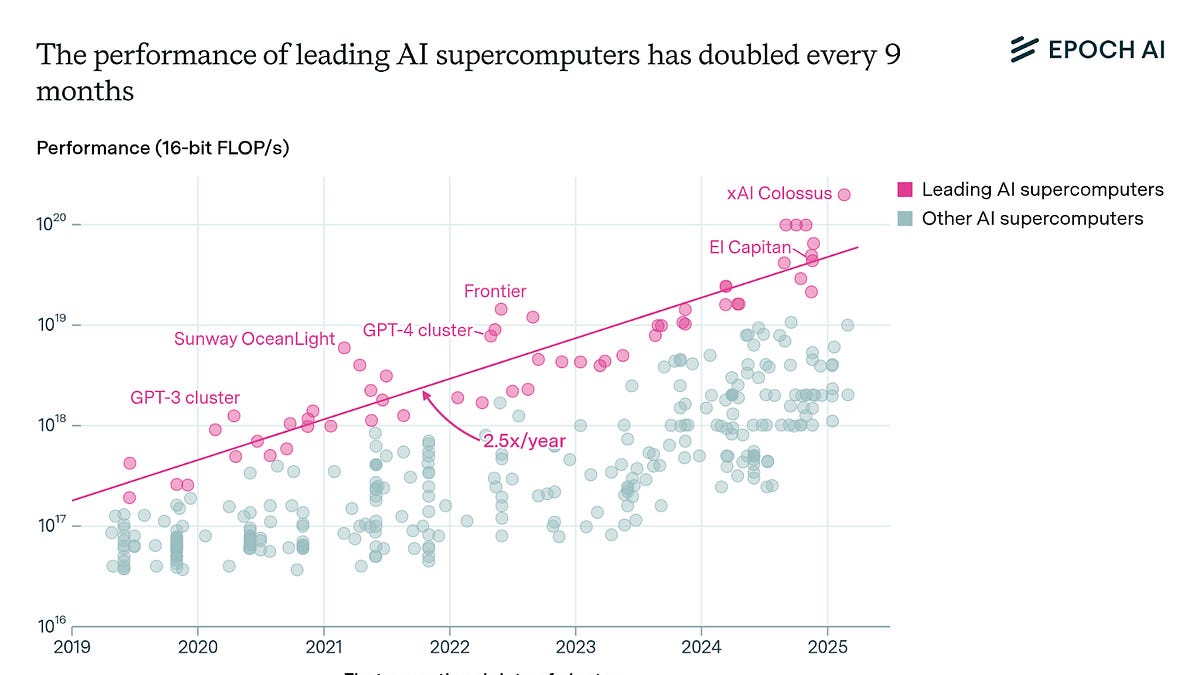
This shift in planning methodology represents the infrastructure industry's belated acknowledgment of what AI practitioners have known for years: AI workload patterns are fundamentally different from traditional computing. The volatility Microsoft and Google describe aligns with patterns we've tracked since the GPT-3 launch in 2020, where demand spikes follow major model releases and new capability demonstrations.
The move to range-based forecasting follows Microsoft's previous struggles with Azure AI capacity during the initial ChatGPT surge in late 2022, when the company reportedly had to ration GPU access to enterprise customers. Similarly, Google's emphasis on fungible data centers reflects lessons from its TPU v4 rollout challenges in 2023, where specialized infrastructure created deployment bottlenecks.
This development also connects to our October 2025 coverage of AWS's "Fluid Capacity" initiative, which introduced similar range-based planning for its AI accelerator instances. The convergence across all three hyperscalers suggests an industry-wide recognition that AI demand patterns require fundamentally different infrastructure planning approaches.
For practitioners, the key takeaway is that cloud providers are now designing for volatility as the default state rather than an exception. This means AI deployment strategies should prioritize portability and flexibility—architectures that can run across multiple regions and instance types will be more resilient to the capacity rebalancing that now occurs weekly rather than quarterly.
Frequently Asked Questions
How does range-based forecasting actually work in practice?
Instead of predicting "we'll need 10,000 H100 equivalents in Q3," planners now model scenarios like "we'll need between 7,000 and 15,000 accelerators with 80% confidence." This range accounts for unpredictable factors like viral AI feature adoption, new research breakthroughs that suddenly make certain models practical, or enterprise customers accelerating AI roadmaps. The infrastructure is then designed to accommodate the upper bound of this range through modular, scalable designs.
What does "inorganic demand" mean in AI capacity planning?
Inorganic demand refers to growth that doesn't follow historical patterns or traditional adoption curves. For AI, this includes sudden spikes from viral applications (like ChatGPT's launch), rapid enterprise adoption following a competitor's announcement, or new business models that emerge unexpectedly. Unlike organic growth from existing customers expanding usage, inorganic demand is largely unpredictable using traditional forecasting methods.
How do weekly planning cycles differ from traditional approaches?
Traditional data center planning involved quarterly business reviews and annual capital allocation cycles. With weekly planning, teams continuously monitor demand signals—new customer commitments, research publication impacts, competitor movements—and adjust capacity allocation across their global footprint. This doesn't mean building new data centers weekly, but rather reallocating existing and near-term capacity between regions and customer segments based on the latest intelligence.
Will this shift affect AI hardware innovation and specialization?
Potentially yes. The need for fungibility—being able to deploy different workloads on the same infrastructure—creates pressure toward standardization. While hyperscalers will continue developing specialized AI accelerators (like Google's TPUs), the infrastructure supporting them will become more homogeneous to maintain flexibility. This could slow adoption of highly specialized architectures that require unique power, cooling, or networking setups unless they offer overwhelming performance advantages.
How should AI teams adapt their deployment strategies?
Teams should design for portability across instance types and regions, avoid hard dependencies on specific hardware SKUs that might be reallocated, and maintain closer communication with their cloud provider's capacity planning teams. Understanding that capacity is now managed in ranges rather than fixed allocations means building more flexibility into deployment timelines and having contingency plans for accessing alternative resources during periods of high demand.