Nimbalyst launched an open-source visual workspace that unifies agent sessions, tasks, and files into a single graph. The MIT-licensed tool targets the context fragmentation problem that forces engineers to manually stitch data across eight separate tools per feature.
Key facts
- 7 systems touched per feature with current agent workflows.
- Nimbalyst unifies 6 artifact types in one graph.
- Claude Code and Codex run as first-class agents.
- Desktop and iOS apps are MIT licensed.
- Message threads are the next integration target.
Shipping a single feature with a coding agent today requires touching seven systems: Jira or Linear for the ticket, Slack for the clarifying thread, Notion or Google Docs for the plan, Excalidraw or Miro for the diagram, Figma for the mockup, the IDE for the diff, and Claude Code or Codex for the working sessions. The connections between those slices live only in the human's head, so every new agent session starts cold with manual context reconstruction.
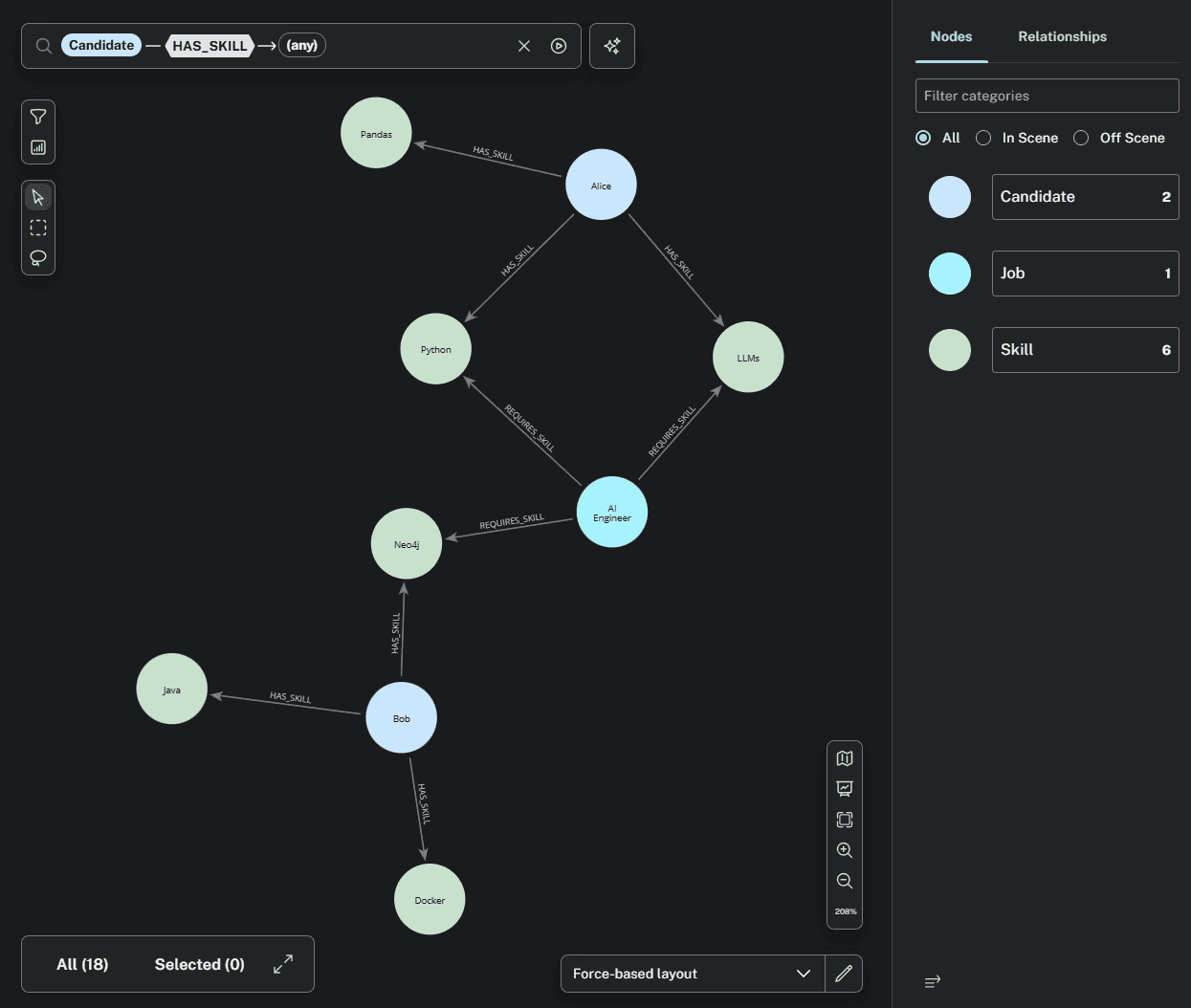
Nimbalyst treats context as a graph, not a pile of tabs. Every artifact — tracker item, message thread, plan, spec, session, diagram, diff, file — becomes a node with typed edges. Both the human and the agent can traverse the same graph in a single call. The same query that previously required a chain of lookups across separate auth models now resolves in one traversal.
The workspace includes a tracker for tickets and bugs, a markdown editor with WYSIWYG and red/green diffs, diagrams as first-class files, renderable mockups, a code editor, and persistent sessions. Message threads are next. Every artifact has a first-class editor inside the workspace, so clicking a diagram reference in a spec opens the diagram for inline editing without switching apps.
Claude Code and Codex run as first-class agents today, and the agent layer is designed to be pluggable for whatever model comes next. The desktop and iOS apps are MIT licensed, available at nimbalyst.com.
Why the graph architecture matters
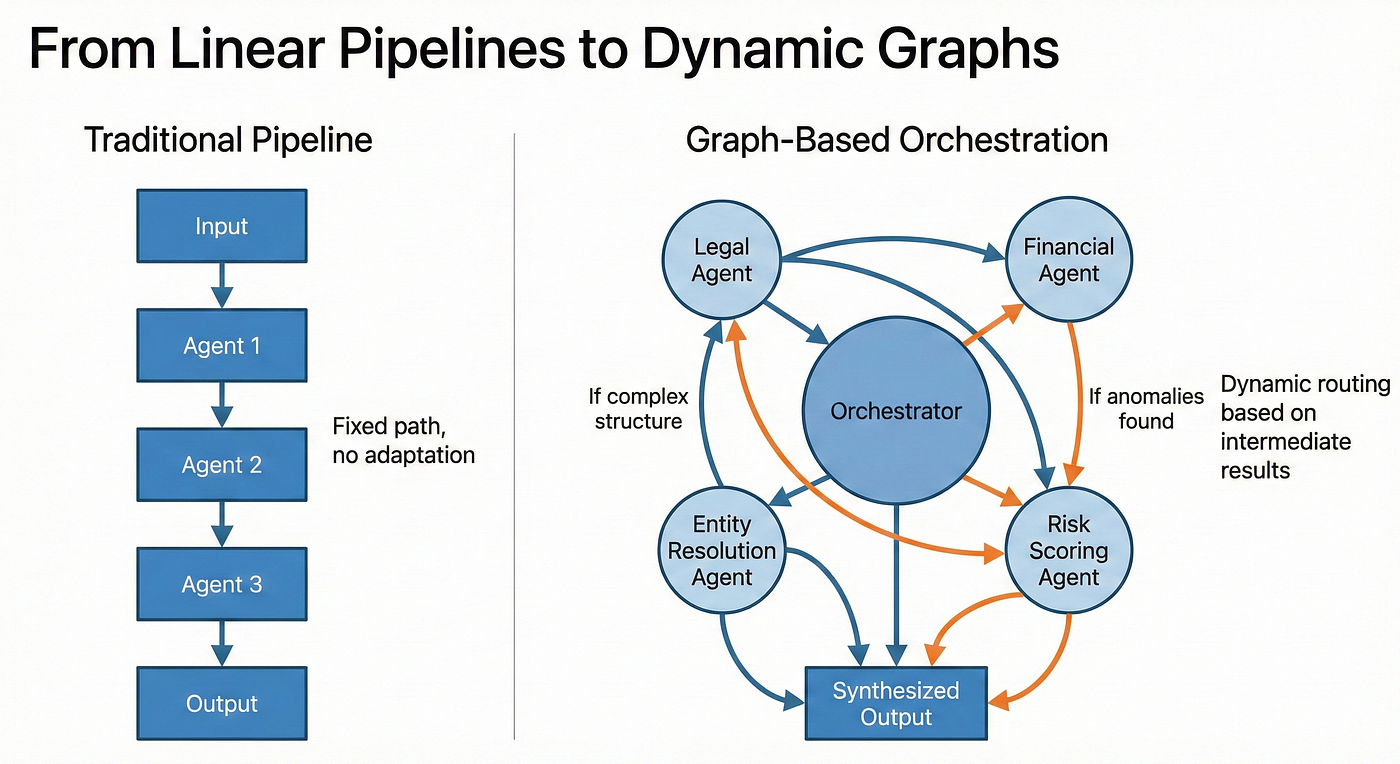
The key insight is that current agent workflows treat context as a flat text dump — a pile of copied links and summarized threads. Nimbalyst stores the relationships between artifacts as typed edges, so an agent can reason about which session touched which ticket, which thread changed a requirement, and which diagram informed a spec. This mirrors how human engineers actually think about their work: as a connected web of decisions, not a stack of tabs.
This architecture also makes Nimbalyst model-agnostic. As Claude Code, Codex, OpenCode, and other agent tools compete on raw coding ability, the winning environment may be the one that provides the richest, most connected context graph — not the one with the highest single benchmark score.
The open-source bet

By releasing under MIT license, Nimbalyst is betting that the community will adopt and extend the graph layer faster than any single vendor can build and wall off a proprietary equivalent. If the thesis holds, Nimbalyst becomes the connective tissue that every agent plugs into, regardless of which model powers it.
[According to the Nimbalyst team] on dev.to, the project already includes six integrated editors and will add message threads next, because "the conversation around a piece of work is part of the work."
What to watch
Watch for the message threads integration and whether the community builds plugins for additional tools like Linear or Notion. If adoption crosses 10K GitHub stars within 90 days, it signals the graph approach is resonating beyond the initial Nimbalyst audience.
Source: news.google.com