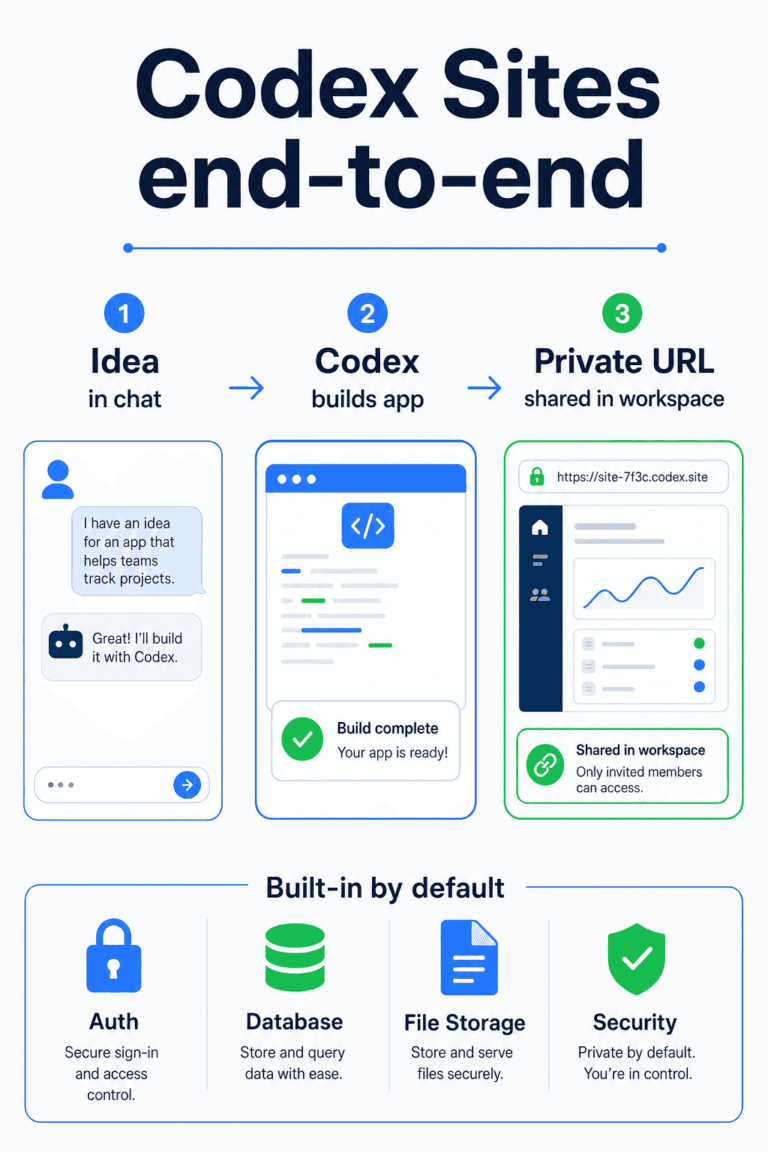
In a remarkable shift that's redefining who can build software, AI-powered no-code platforms are enabling professionals without traditional coding backgrounds to create sophisticated applications in days rather than months. Recent case studies reveal the extraordinary potential of this technology, with non-technical users building enterprise-grade platforms that would have previously required teams of developers and substantial investment.
Remarkable Case Studies in No-Code Development
One of the most compelling examples comes from the construction industry, where a professional without coding experience built a comprehensive procurement platform in just 80 hours with a budget of only $1,500. This platform went on to secure $150,000 in seed funding—demonstrating not just technical feasibility but commercial viability. The speed and cost efficiency represent a 90-95% reduction compared to traditional development approaches.
In another striking case, a microbiologist successfully launched a complex multi-voice audiobook application that other no-code tools couldn't support. This specialized application required sophisticated audio processing and synchronization capabilities that were previously the exclusive domain of experienced software engineers working with complex codebases.
Perhaps most telling is the adoption by established enterprises, with the UK's largest energy company reportedly building internal tools and customer-facing applications using these AI-enhanced no-code platforms. When major corporations with substantial IT departments choose no-code solutions, it signals a fundamental shift in how organizations approach software development.
The Technology Behind the Transformation
Modern no-code platforms have evolved far beyond simple drag-and-drop interfaces. Today's systems incorporate several key technological advancements:
AI-Assisted Design and Logic: These platforms use machine learning algorithms to suggest optimal workflows, predict user needs, and automatically generate backend logic based on natural language descriptions of desired functionality.
Advanced Integration Capabilities: Unlike earlier no-code tools that operated in isolation, current platforms offer seamless integration with existing enterprise systems, APIs, and databases through intelligent connectors that understand data relationships.
Scalable Architecture: The underlying infrastructure automatically handles scaling, security, and performance optimization—areas that traditionally required specialized DevOps expertise.
Domain-Specific Templates: Many platforms now offer industry-specific templates and components that understand the unique requirements of fields like construction, healthcare, or energy management.
Implications for the Software Industry
The rise of AI-powered no-code development carries profound implications for multiple stakeholders:
For Businesses: The most immediate impact is dramatically reduced time-to-market and development costs. Small and medium enterprises can now afford custom software solutions that were previously exclusive to large corporations. The construction procurement platform example demonstrates how niche industry needs can be addressed without massive upfront investment.
For Professional Developers: Rather than replacing developers, these tools are shifting their role toward more complex, innovative work. Developers can focus on creating the underlying platforms, addressing edge cases, and solving truly novel problems while routine application development becomes democratized.
For Education and Training: The barrier to creating software solutions is lowering significantly. Professionals in fields like microbiology, construction, or energy can directly translate their domain expertise into digital tools without needing to first become proficient programmers.
For Economic Development: Regions and industries with limited access to technical talent can now develop digital solutions locally. This could help address geographic disparities in technological development and innovation.
Challenges and Limitations
Despite the impressive capabilities, AI-powered no-code platforms face several challenges:
Complexity Ceiling: While suitable for many applications, extremely complex systems with unique requirements may still require traditional coding approaches.
Vendor Lock-in: Dependence on specific platforms creates risks if the provider changes pricing, discontinues services, or experiences outages.
Security and Compliance: Enterprise applications often require specific security certifications and compliance measures that may be difficult to implement through no-code platforms alone.
Performance Optimization: While adequate for many use cases, highly performance-sensitive applications may need the fine-tuning possible only through direct code manipulation.
The Future of No-Code Development
The trajectory suggests several likely developments:
Increased Specialization: We'll see more platforms tailored to specific industries with pre-built components for common workflows in healthcare, manufacturing, education, and other sectors.
Enhanced AI Capabilities: Future platforms will likely incorporate more sophisticated AI that can understand business requirements from natural language descriptions and automatically generate increasingly complex applications.
Hybrid Approaches: The most powerful solutions may combine no-code platforms for rapid prototyping and development with traditional coding for customization and optimization.
New Business Models: The democratization of software creation could lead to new forms of entrepreneurship where domain experts quickly build and validate business ideas through software without technical co-founders.
Conclusion
The cases highlighted by Hasan Toor and others represent more than just interesting anecdotes—they signal a fundamental shift in who can create software and how quickly they can do it. As AI-powered no-code platforms continue to evolve, we're likely to see an explosion of innovation from unexpected quarters. Professionals who understand specific industry problems but lack coding skills can now become software creators, potentially leading to more diverse, practical, and immediately useful applications.
This democratization of development doesn't eliminate the need for skilled software engineers but rather changes their role in the ecosystem. The future likely holds a continuum of development approaches, from fully no-code solutions for common business applications to traditional coding for groundbreaking innovations, with many projects combining both approaches.
The construction procurement platform built in 80 hours for $1,500 isn't just a remarkable technical achievement—it's a harbinger of a more accessible, efficient, and democratized future for software development.
Source: Based on analysis of cases highlighted by Hasan Toor (@hasantoxr) and industry developments in AI-powered no-code platforms.