The Innovation — What the source reports
At the recent Nvidia GTC conference, a significant partnership was unveiled between the AI hardware giant Nvidia and Antoine Arnault, a senior executive at LVMH and chairman of LVMH Image. The core bet of this collaboration is on virtual try-on technology, specifically through a company called RealFit. The initiative signals a major push to finally make high-fidelity, scalable virtual fitting a commercial reality for the fashion and luxury industry.
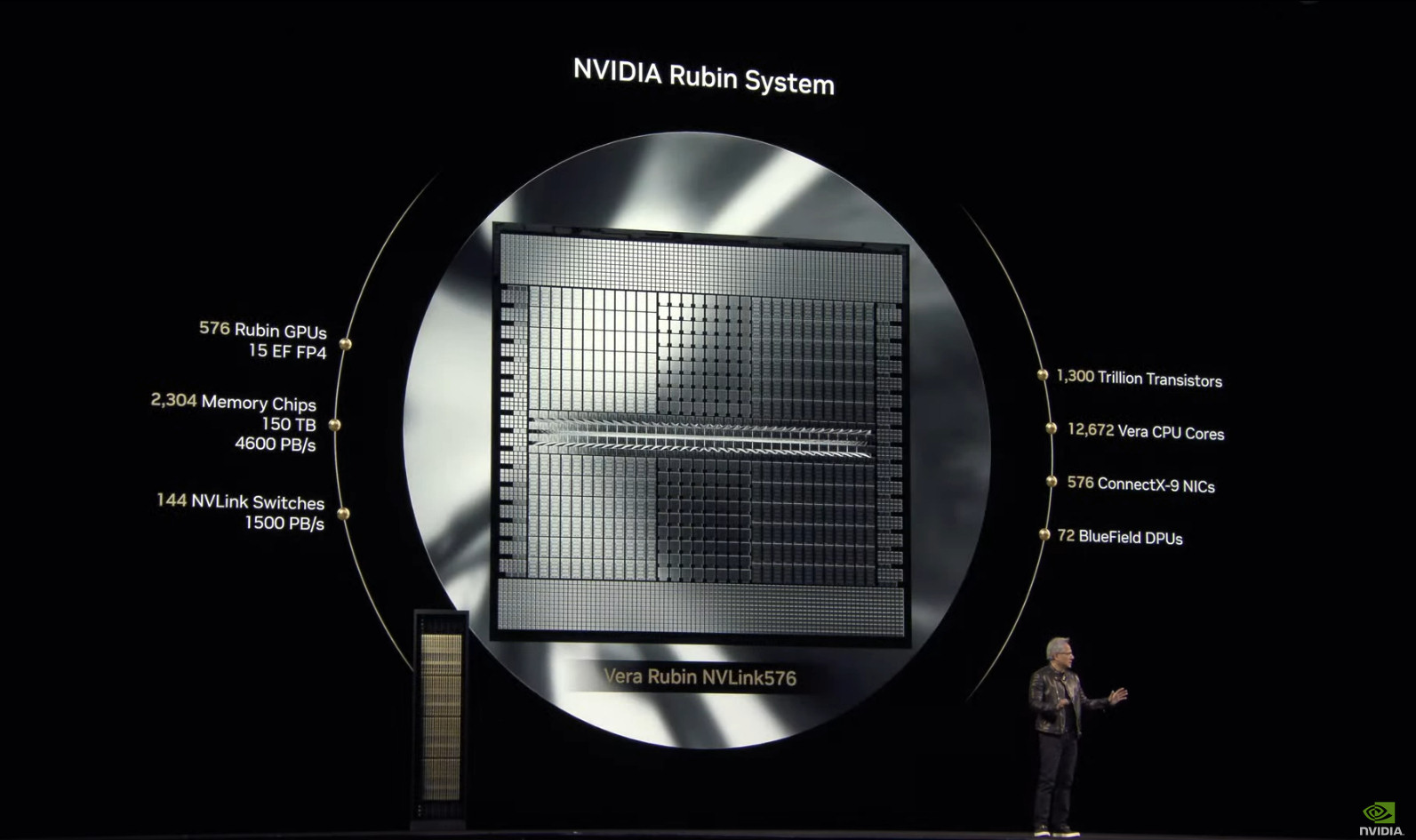
The source material indicates that RealFit's technology was showcased at the event. While specific technical details are sparse in the provided excerpt, the involvement of Nvidia points to a deep technological stack likely involving advanced computer vision, generative AI, and 3D simulation—all running on Nvidia's cutting-edge hardware platforms like the newly announced Blackwell architecture (B100/B200 chips). The partnership combines Nvidia's unparalleled compute and AI expertise with Arnault's deep understanding of luxury brand needs, customer experience, and high aesthetic standards.
This move comes as the industry has grappled with virtual try-on for years. Previous solutions often faced issues with garment realism, fabric drape, body diversity, and lighting accuracy, leading to consumer skepticism. The backing of a figure like Antoine Arnault suggests a focus on the high-end market, where the fidelity of the digital experience must match the quality of the physical product.
Why This Matters for Retail & Luxury
For luxury and premium retail, virtual try-on represents more than a novelty; it's a potential bridge over critical conversion hurdles.
- Reducing Returns, Increasing Confidence: The single largest pain point in online luxury is fit uncertainty. A hyper-accurate virtual try-on can dramatically reduce return rates—which often exceed 20-30% for apparel—while increasing average order value as customers feel confident buying multiple items.
- Personalization at Scale: This technology enables a deeply personalized shopping experience without a physical stylist. Imagine a customer uploading a single photo and instantly seeing how a runway gown, a tailored blazer, or a statement accessory fits their body, not a generic model.
- Phygital Integration: For brands with robust physical presences, this tech can be integrated in-store via mirrors or sales associate tablets, allowing instant access to full inventory and customizations, blending the best of digital and physical retail.
- Sustainability Narrative: By helping customers make right-first-time purchases, brands can significantly cut down on logistics emissions from returns, aligning with growing sustainability commitments and consumer expectations.
Business Impact — Quantified if available, honest if not
The direct business impact of this specific partnership is not yet quantified in the source material, as it appears to be an announcement of strategic alignment and technological development. However, the potential upside is enormous. Analysts project the virtual try-on market to grow into a multi-billion dollar segment. For individual brands, successful deployment could translate to:
- Double-digit percentage reductions in return rates for apparel and footwear.
- Significant increases in conversion rates on product pages featuring try-on functionality.
- Enhanced customer data profiles built from body measurements and style preferences, enabling superior product recommendations and design input.
The involvement of Nvidia and a luxury insider like Arnault acts as a powerful validation signal, likely accelerating R&D investment and industry-wide adoption.
Implementation Approach — Technical requirements, complexity, effort
Implementing production-grade virtual try-on is a frontier AI challenge. The partnership suggests a focus on several key technical pillars:
- High-Fidelity Garment Digitization: Creating accurate 3D models of garments that simulate complex fabrics (silk, wool, technical fabrics) and construction (darts, pleats, padding). This likely involves advanced photogrammetry, 3D scanning, or simulation-from-images.
- Robust Body Modeling: Generating a precise 3D model of the consumer from one or two 2D images—a task requiring sophisticated computer vision models to infer shape, pose, and proportions.
- Physics-Accurate Simulation: The core challenge is the "drape"—using physics engines (likely powered by Nvidia's Omniverse or similar platforms) to simulate how the digital garment interacts with the unique digital body model in real-time.
- Massive Compute Infrastructure: This is where Nvidia's role is critical. Training the underlying AI models and running real-time inferences for millions of users requires immense parallel processing power, precisely what the Blackwell architecture is designed to provide.
For a brand, implementation would be a major multi-quarter or multi-year initiative involving close collaboration with the technology provider (RealFit/Nvidia), significant data preparation (digitizing key inventory), and integration into e-commerce platforms and in-store systems.
Governance & Risk Assessment — Privacy, bias, maturity level
- Privacy & Data Security: This technology requires processing highly sensitive biometric data (body images and measurements). Brands must ensure GDPR/CCPA-level compliance, transparent data usage policies, and likely on-device processing options to build consumer trust.
- Bias and Representation: AI body models have historically struggled with diversity. The system must be trained on globally inclusive datasets to ensure accurate representation across all body types, skin tones, and ages to avoid alienating customer segments and creating ethical liabilities.
- Technology Maturity: While this partnership aims to push maturity, virtual try-on remains a "hard tech" problem. Expect an iterative rollout, starting with simpler product categories (e.g., eyewear, non-stretch tops) before advancing to complex tailoring and fluid dresses.
- Brand Integrity Risk: For luxury houses, any digital representation must uphold brand equity. A poorly rendered, pixelated, or inaccurate try-on experience could damage perception of quality more than having no try-on at all. The Arnault involvement is a clear safeguard for this concern.