In a landmark strategic shift, Nvidia has announced plans to invest a staggering $26 billion over the next five years in the development of open-weight artificial intelligence models. The commitment, revealed in a recent SEC filing and confirmed by company executives in interviews with WIRED, signals the chipmaking giant's intent to become a foundational player in the open AI software ecosystem. Alongside the financial pledge, Nvidia released Nemotron 3 Super, a 128-billion parameter open-weight model that benchmarks competitively against offerings from OpenAI and Anthropic.
This massive investment arrives at a critical juncture. The AI landscape is increasingly defined by a tension between powerful, proprietary models controlled by a handful of companies and a broad developer community hungry for accessible, modifiable alternatives. Nvidia is stepping directly into this void.
The Open-Source Gap in Modern AI
For years, the most celebrated advances in large language models (LLMs) have come from labs that keep their crown jewels under lock and key. OpenAI's GPT series, the industry benchmark, is primarily accessible via API, with its underlying architecture and full weights remaining proprietary. Meta blazed an early trail with its Llama family but has increasingly attached usage restrictions, hinting that future models may not be fully open. Anthropic's Claude models follow a similar closed, API-driven model.
This corporate caution has created a significant gap. Researchers, startups, and enterprises seeking to build, customize, and deploy state-of-the-art AI without vendor lock-in have found their options limited. The demand is for models that are not just "open" in name but in practice—freely available for inspection, modification, and commercial deployment.
Nvidia's Strategic Play: Nemotron and Beyond
Nvidia's answer is a two-pronged strategy: immediate model release and long-term capital commitment. The newly launched Nemotron 3 Super showcases the technical ambition. It is a hybrid model combining Transformer and Mamba architectures, engineered for improved reasoning and long-context handling. On benchmarks, it performs comparably to OpenAI's GPT-OSS and Anthropic's Claude 4.5 Haiku, though it still trails leading Chinese open-source models like Qwen3.5.
The $26 billion investment, however, is the headline. This funding will fuel the development of an entire suite of open-weight models over the next half-decade. For Nvidia, this is more than philanthropy; it's a deeply strategic business move.
The Dual Drivers: Ecosystem Lock and Geopolitical Rivalry
Nvidia's open-source push serves two interconnected strategic goals.
First, it reinforces the company's core hardware dominance. By cultivating a thriving ecosystem of high-performance open models optimized for Nvidia's GPUs and software stacks (like CUDA), the company makes its hardware platform more indispensable. Developers building on Nvidia's open models will naturally gravitate toward Nvidia's chips for training and inference, creating a powerful, self-reinforcing cycle. It's a classic ecosystem play: give away the razors to sell the blades.
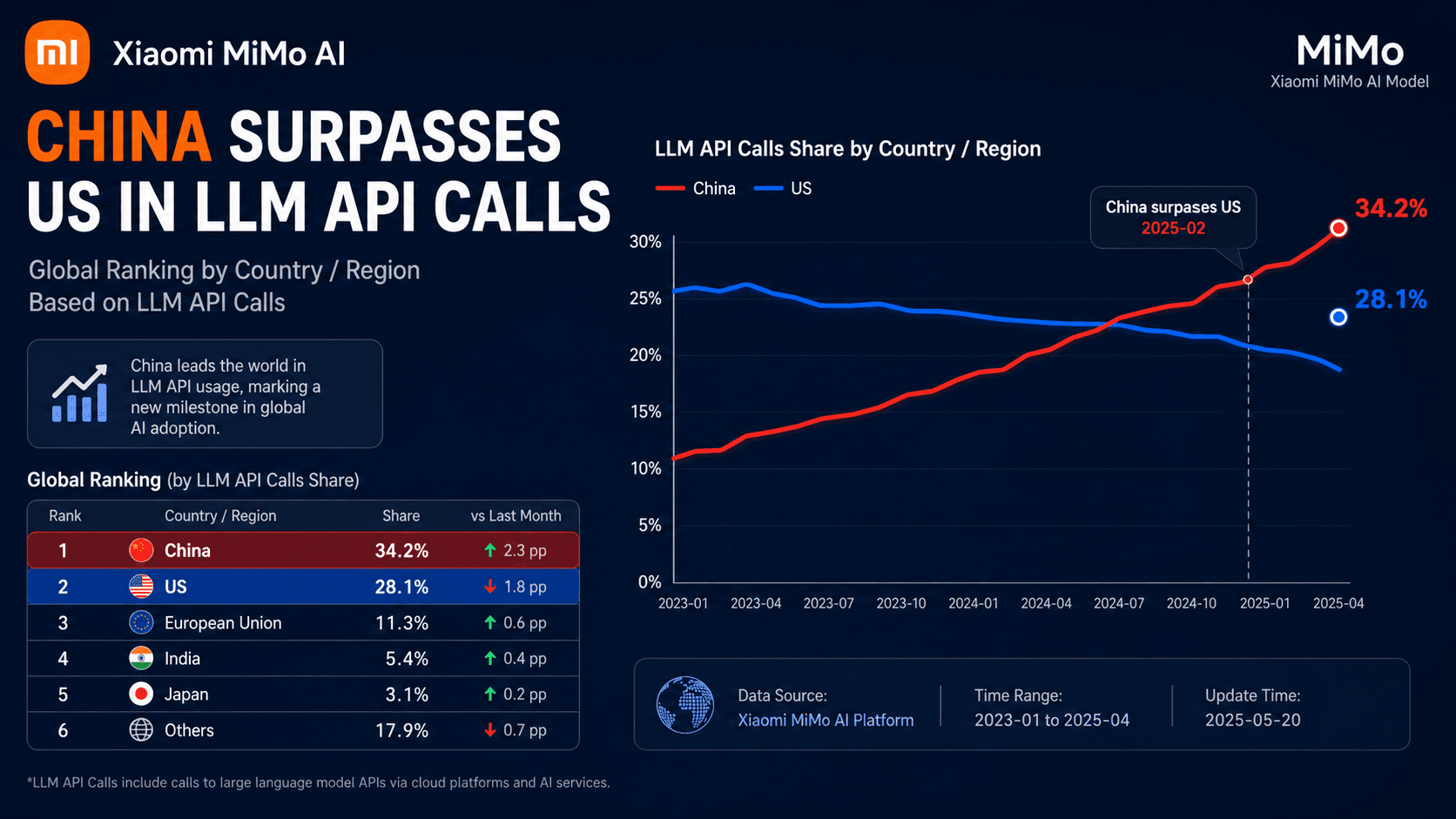
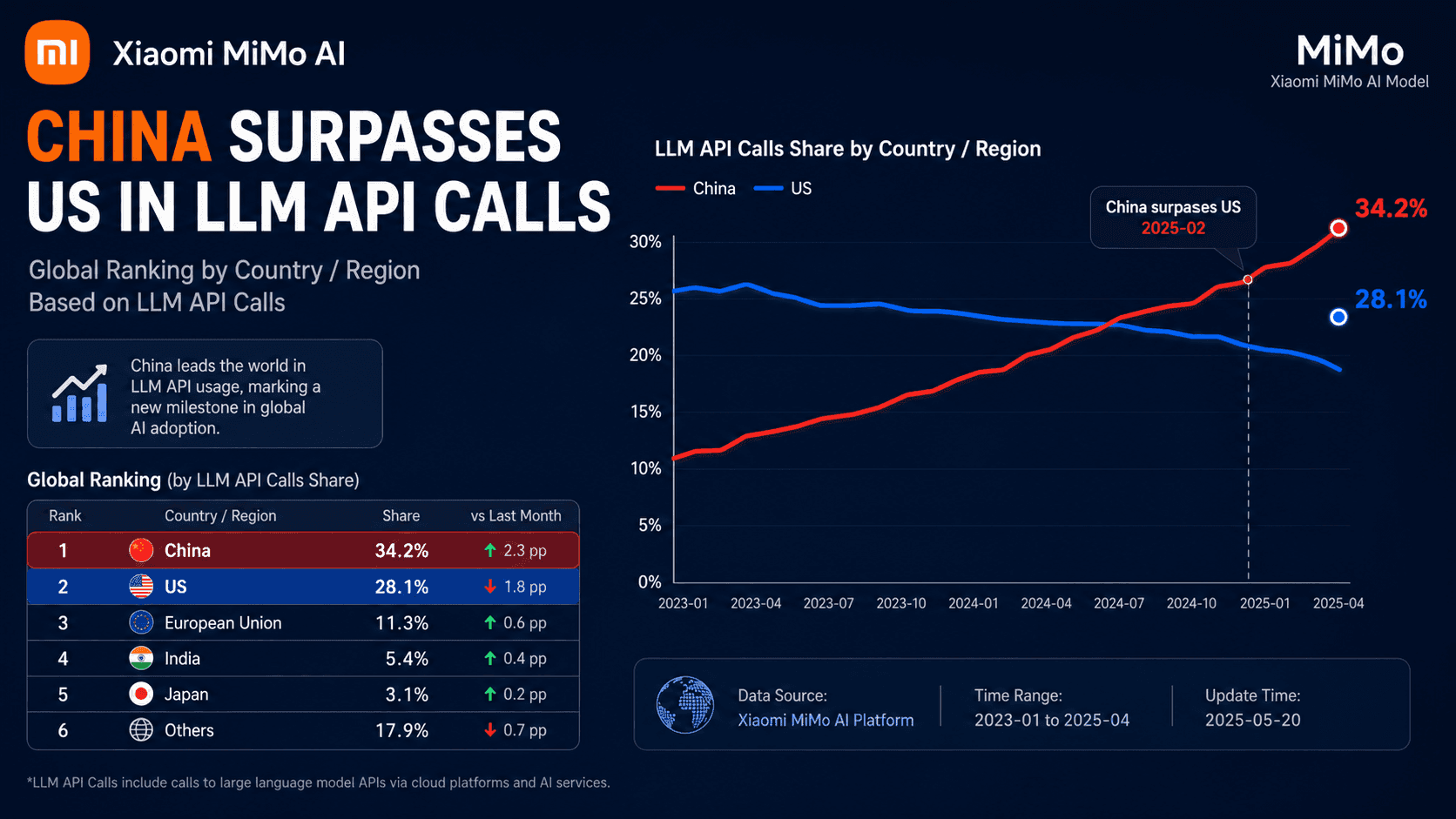
Second, the move is a direct response to the rising dominance of Chinese open-source AI. Chinese providers, such as those behind the Qwen series, have seized leadership in the open-model arena, offering powerful, accessible alternatives. This has geopolitical implications, as AI leadership is seen as a cornerstone of future economic and strategic power. By investing heavily in Western open-source AI, Nvidia aims to ensure that the center of gravity for open innovation remains aligned with its own ecosystem and, by extension, Western technological frameworks.
Implications for the AI Industry
Nvidia's entry as a major financial backer of open-weight models could dramatically alter the competitive dynamics.
- Pressure on Closed Labs: OpenAI, Anthropic, and even Meta may face increased pressure to justify their more closed approaches as a credible, well-funded open alternative emerges from an industry titan.
- Democratization of Access: If Nvidia delivers on its promise, it could significantly lower the barrier to entry for cutting-edge AI, empowering a wider range of actors beyond the well-funded giants.
- Hardware-Software Synergy: The line between AI hardware and software will blur further. Success in model development could drive even greater demand for Nvidia's next-generation chips, solidifying its market position.
The risk for the community is a new form of dependency. While the models may be "open-weight," ultimate influence and direction would rest with a single, immensely powerful corporation whose primary revenue driver remains hardware sales.
Looking Ahead
Nvidia's $26 billion pledge is a watershed moment. It represents the largest single financial commitment to open-source AI development to date and marks Nvidia's evolution from an enabler of AI to a primary architect of its foundational models. The success of this venture will hinge on the quality, openness, and adoption of the models it produces, starting with Nemotron 3 Super.
As the AI race intensifies, the battle is no longer just about raw performance. It's about control, access, and the shape of the ecosystem itself. By investing heavily in open-weight models, Nvidia isn't just filling a gap—it's attempting to build the very ground on which the next era of AI will stand.
Source: The Decoder, based on an SEC filing and executive interviews confirmed by WIRED.