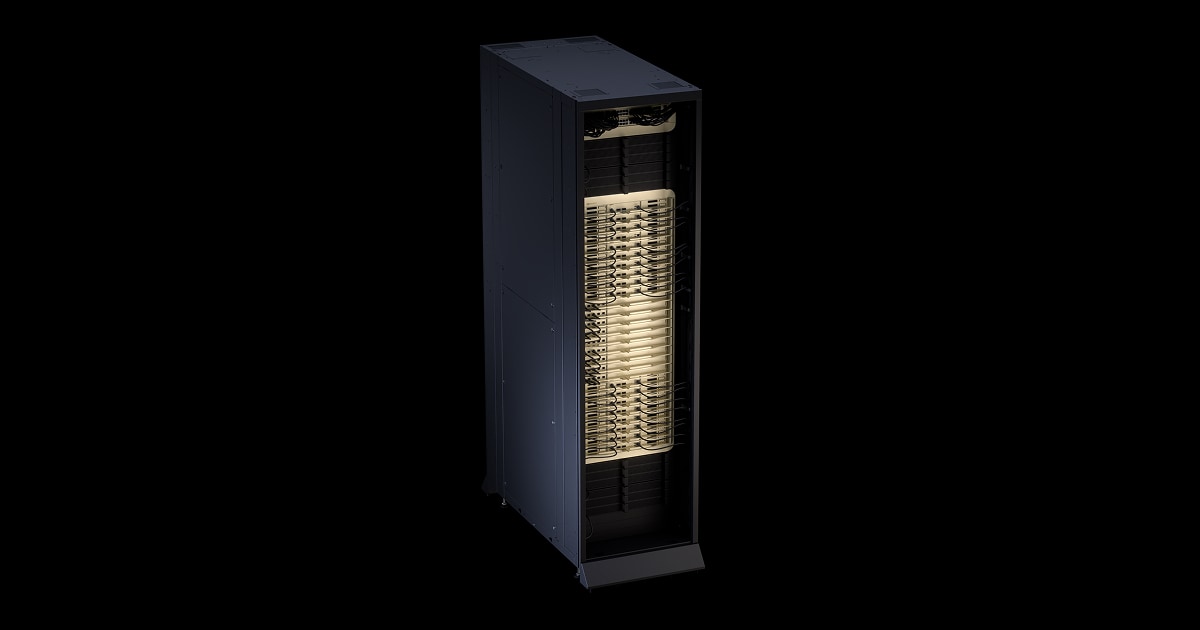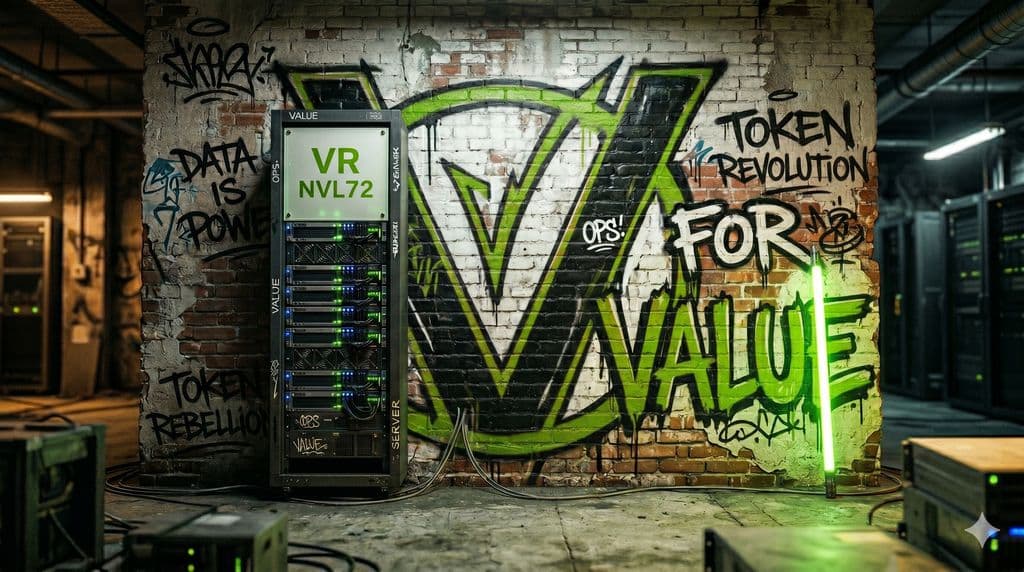
NVIDIA's Vera Rubin VR NVL72 marks a deliberate pivot from value vendor to value extractor, per @SemiAnalysis_. The new platform targets total cost of ownership, making previously invisible value velocities visible and intentional.
Key facts
- VR NVL72 is NVIDIA's value-extraction platform, per @SemiAnalysis_.
- Prior NVIDIA generations left value for Neolabs and Neoclouds.
- New model targets total cost of ownership pricing.
- No specific performance or pricing data disclosed.
- Analysis is qualitative, not benchmark-based.
The Vera Rubin VR NVL72 represents NVIDIA's most vivid, visceral, and voracious value vending venture yet, according to @SemiAnalysis_. The analysis argues that for prior versions, NVIDIA was virtually virtuous — a vendor that volunteered vast value to the wider ecosystem, voiding its own leverage while Neolabs and Neoclouds reaped the dividends. With VR, that vision of NVIDIA as a benevolent, value-vouchsafing vendor is even further verified.
Key Takeaways
- NVIDIA's Vera Rubin VR NVL72 shifts from value vendor to value extractor, targeting TCO.
- SemiAnalysis argues this overturns prior pricing paradigm.
The Value Extraction Thesis

VR NVL72 arrives as a vehicle for vindication — a verifiable, vaulting leap in performance-per-cost that overturns every vestige of the old pricing paradigm. Viewed through the lens of total cost of ownership, the value extraction is vivid and unavoidable: velocities of value that were previously invisible are now very visible, very intentional, and very, very NVIDIA. The V in Vera Rubin was never a vowel. It was always a vector, a vow and a verdict — pointing, inevitably, toward value.
The source does not disclose specific pricing, performance numbers, or benchmark comparisons. No ship date or volume commitments are given. The analysis is entirely qualitative, framed as a structural read on NVIDIA's evolving business model rather than a product announcement.
Unique Take
The AP wire would frame Vera Rubin as another GPU generation. The real story is NVIDIA's business model transformation: from selling chips at a margin that left value on the table for hyperscalers and Neoclouds, to designing systems that capture that value through integrated hardware-software bundles priced on TCO. This is a repeatable pattern — Apple's shift from Mac supplier to iPhone platform owner followed a similar arc.
What to watch
Watch for NVIDIA's next earnings call (expected late February 2026) for any Vera Rubin VR NVL72 pricing disclosures and enterprise adoption metrics. The key signal: whether hyperscalers push back on value-extraction pricing or accept it as the new normal.
[Updated 02 May via gn_gpu_cluster]
Microsoft has become the first cloud provider to begin validating NVIDIA's Vera Rubin NVL72 system, according to MSN. This early validation by a major hyperscaler signals concrete adoption momentum for the platform, moving beyond the qualitative analysis of NVIDIA's business model shift. The move suggests that at least one key customer is already testing the value-extraction thesis in a real data center environment, potentially ahead of a broader rollout.
[Updated 03 May via gn_infiniband]
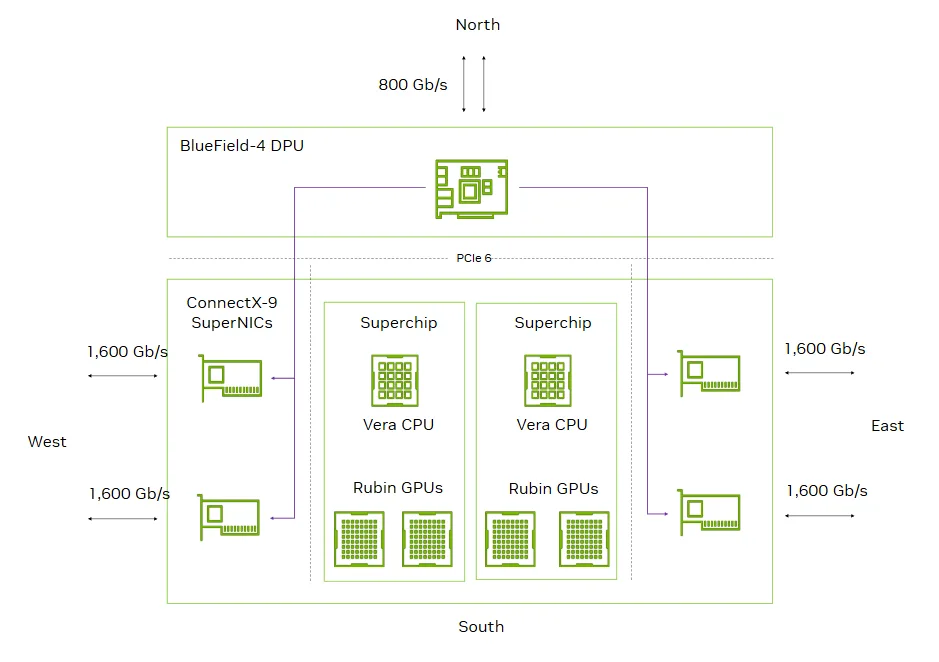
NVIDIA has invested $2 billion in Marvell Technology to deepen their NVLink Fusion partnership, per MSN. This financial commitment signals NVIDIA's intent to secure its interconnect supply chain and further tighten integration between its GPU systems and Marvell's networking silicon. The investment could directly benefit the Vera Rubin VR NVL72 platform, which relies on advanced NVLink interconnects to achieve its value-extraction pricing model by bundling hardware and software more tightly.
[Updated 05 May via gn_gpu_cluster]
Nvidia has burned $4 billion to jumpstart American photonics manufacturing, per MSN, signaling a strategic push to secure optical interconnect supply chains for future systems like Vera Rubin VR NVL72. This investment in domestic photonics could reduce reliance on Asian suppliers and enable higher-bandwidth, lower-power interconnects critical for TCO-optimized clusters.
[Updated 06 May via gn_gpu_cluster]
Nscale will deploy over 66,000 NVIDIA Rubin GPUs for Microsoft at the SINES Data Campus in Portugal, starting in late 2027, per HPCwire. This builds on an existing deployment of 12,600 Blackwell Ultra GPUs at the same site. The massive GPU commitment signals long-term hyperscaler confidence in the Rubin platform, directly supporting NVIDIA's value-extraction thesis by locking in a major customer for future-generation hardware.
[Updated 06 May via gn_gpu_cluster]
NVIDIA's next-generation Feynman GPUs could push power semiconductor content per system to $191,000 — a 17x increase over Blackwell — as the industry adopts 800V DC architectures, according to Wccftech. This massive component cost escalation directly bolsters the value-extraction thesis for Vera Rubin VR NVL72, since tighter hardware-software integration and TCO-based pricing become essential to justify such soaring silicon bills in future platforms.