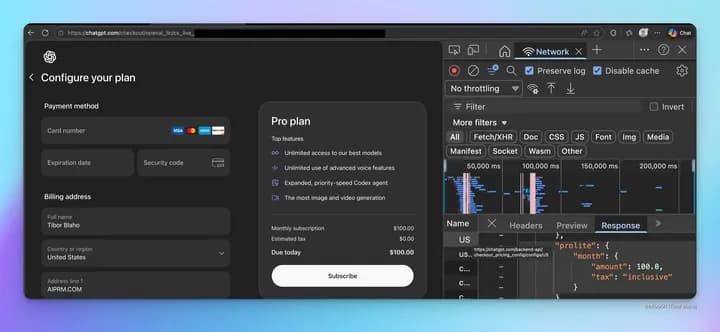
According to recent reports from industry sources, OpenAI is reportedly developing a new subscription tier called "ChatGPT Pro Lite" with a price point of approximately $100. While official confirmation from OpenAI remains pending, this development suggests a significant evolution in the company's monetization strategy for its flagship conversational AI product.
The Current ChatGPT Pricing Landscape
Currently, OpenAI offers ChatGPT through several access models. The free tier provides basic functionality with some limitations, while ChatGPT Plus costs $20 per month and offers priority access, faster response times, and early access to new features. The company also provides enterprise solutions through ChatGPT Enterprise and API access for developers.
This reported $100 offering—whether structured as an annual subscription or a one-time payment—would represent a new middle ground in OpenAI's pricing strategy. The specific positioning between the $20/month premium tier and enterprise solutions suggests OpenAI may be targeting power users, small businesses, or educational institutions seeking more capability than the free tier but without the commitment or cost of enterprise plans.
Market Context and Competitive Positioning
The AI assistant market has become increasingly competitive, with offerings from Google (Gemini), Anthropic (Claude), Microsoft (Copilot), and numerous open-source alternatives. Pricing strategies have varied significantly, with some competitors offering free tiers with generous limits and others focusing exclusively on premium or enterprise models.
A $100 ChatGPT tier would position OpenAI uniquely in this landscape. It could appeal to users who find the free version insufficient but consider the $20 monthly subscription either too expensive for continuous use or more commitment than they desire. This pricing innovation might represent OpenAI's response to both competitive pressure and diverse user needs that have emerged since ChatGPT's initial launch.
Potential Features and Target Audience
While specific features of "ChatGPT Pro Lite" remain unconfirmed, we can speculate based on current market gaps and user demands. Likely enhancements over the free tier might include:
- Significantly higher message limits or usage caps
- Priority access during peak times
- Advanced features like file upload analysis or web browsing
- Customization options or memory features
- Early access to new models or capabilities
The target audience would likely include students, researchers, content creators, small business owners, and professionals who regularly use AI assistance but don't require enterprise-level features or support. The pricing suggests a product aimed at serious individual users rather than casual experimenters.
Implications for AI Accessibility and Business Models
This development reflects broader trends in AI commercialization. As development costs remain high—with training runs costing tens to hundreds of millions of dollars—companies must balance recouping investments with making technology accessible. A $100 tier could represent a compromise that expands access while maintaining revenue streams necessary for continued innovation.
The move also suggests OpenAI is segmenting its user base more precisely, recognizing that different users have different needs and willingness to pay. This sophisticated approach to monetization mirrors strategies seen in software-as-a-service industries, where tiered pricing has proven effective at maximizing both adoption and revenue.
Industry Reactions and Future Developments
Industry observers have noted that this pricing strategy could pressure competitors to introduce similar mid-tier offerings or adjust their own pricing structures. It might also accelerate the trend toward specialized AI assistants for specific domains or use cases.
Looking forward, the success of such a tier would depend on the specific value proposition offered. Users will evaluate whether the features justify the price differential from both free and premium options. OpenAI would need to carefully balance capabilities across tiers to avoid cannibalizing its existing subscription base while attracting new paying users.
Conclusion
While details remain unconfirmed, the reported "ChatGPT Pro Lite" at $100 represents a potentially significant development in AI commercialization. It suggests OpenAI is refining its approach to serving diverse user needs while navigating the complex economics of advanced AI systems. As the AI assistant market matures, such pricing innovations will likely become increasingly important in determining which services achieve sustainable business models and widespread adoption.
Source: Initial report from @kimmonismus on Twitter/X, with additional context from analysis of current ChatGPT pricing and competitive landscape.