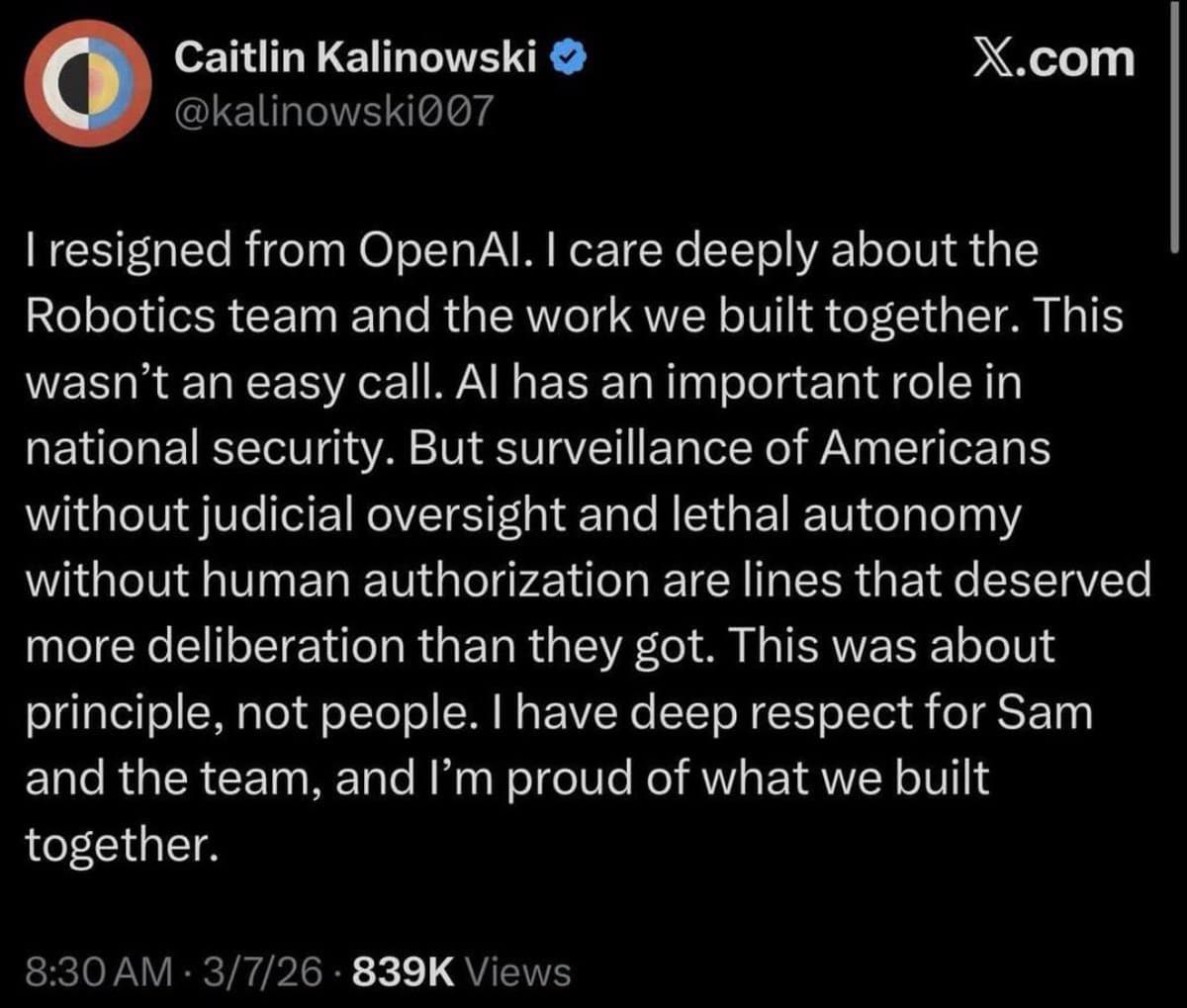
OpenAI has lost a key leader in its hardware and robotics division, according to recent reports. The company's head of hardware and robotics has resigned, creating uncertainty about the future direction of OpenAI's efforts to bridge artificial intelligence with the physical world.
The Departure
The resignation was reported by Kimmonismus on X (formerly Twitter), who noted that OpenAI's head of hardware and robotics has left the company. While specific reasons for the departure weren't detailed in the initial report, the timing is significant given OpenAI's recent push into robotics and hardware integration.
This leadership change comes at a critical juncture for OpenAI as the company expands beyond its core software offerings into physical AI applications. The hardware and robotics division represents one of OpenAI's most ambitious frontiers—moving AI from digital environments into the physical world where it can interact with objects, navigate spaces, and perform tangible tasks.
Context of OpenAI's Robotics Efforts
OpenAI's interest in robotics isn't new. The company previously operated a robotics team that was disbanded in 2021, reportedly due to challenges with data collection and the complexity of real-world robotics. However, recent developments suggested a renewed focus on this area, with the company reportedly working on new robotics projects and exploring how to integrate its large language models with physical systems.
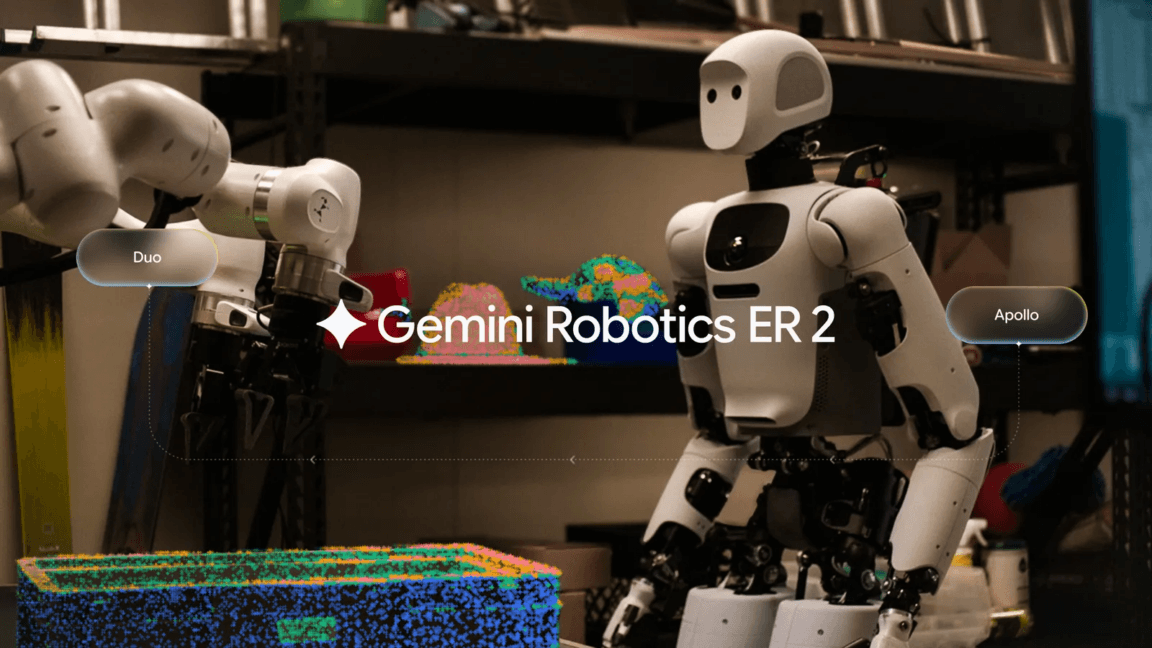
The hardware and robotics division was likely exploring how OpenAI's AI models could control robots, manipulate objects, and interact with physical environments. This represents a significant technical challenge that goes beyond the company's current text and image generation capabilities.
Industry Implications
The departure raises questions about whether OpenAI is facing renewed challenges in its robotics ambitions. The field of robotics has proven notoriously difficult for AI companies, with even well-funded efforts struggling to create reliable, general-purpose robotic systems. Companies like Google, Amazon, and Tesla have all invested heavily in robotics with mixed results.
For OpenAI, success in robotics would represent a major expansion of its capabilities. While the company dominates in language models and image generation, physical AI represents a different set of challenges requiring expertise in mechanical engineering, sensor integration, and real-time control systems—areas outside OpenAI's traditional strengths.
Competitive Landscape
The timing is particularly interesting given increasing competition in AI-powered robotics. Other companies, including Figure AI (which has partnerships with OpenAI), Boston Dynamics (owned by Hyundai), and Tesla (with its Optimus robot), are all making significant investments in robotics. The departure of OpenAI's hardware lead could signal strategic reassessment or internal challenges in keeping pace with these developments.
OpenAI's approach to robotics has typically focused on using its AI models as the "brain" for robotic systems, rather than developing the hardware itself. This software-first approach contrasts with companies like Boston Dynamics that excel at hardware but are now integrating more advanced AI. The resignation might reflect challenges in this hybrid approach or differences in strategic vision.
What This Means for OpenAI
Leadership changes in key divisions often signal strategic shifts or internal challenges. For OpenAI, which has been expanding rapidly across multiple fronts, maintaining focus and execution in specialized areas like robotics requires consistent leadership and clear vision.
The company will need to decide whether to replace the position quickly, restructure the division, or potentially reassess its commitment to hardware and robotics. Given the significant resources required for robotics development and the long timelines for meaningful results, this departure could influence OpenAI's investment priorities.
Looking Ahead
As AI continues to advance, the integration with robotics remains one of the most promising—and challenging—frontiers. Physical AI has the potential to transform manufacturing, logistics, healthcare, and domestic assistance, but requires solving complex problems in perception, manipulation, and real-world adaptation.
OpenAI's next moves in this space will be closely watched. The company could choose to double down on partnerships with existing robotics companies, take a more software-focused approach to robotics, or potentially scale back its ambitions in this area to focus on its core strengths in generative AI.
Regardless of the direction, the departure of a key hardware leader represents a significant moment for OpenAI's robotics aspirations and highlights the ongoing challenges of bringing AI into the physical world.
Source: Report from Kimmonismus on X (formerly Twitter) regarding OpenAI head of hardware and robotics resignation.