OpenAI's Spring Update Keynote Hits 11M YouTube Views in 4 Days, Signaling Massive Mainstream Interest

OpenAI's Spring Update Keynote Hits 11M YouTube Views in 4 Days, Signaling Massive Mainstream Interest

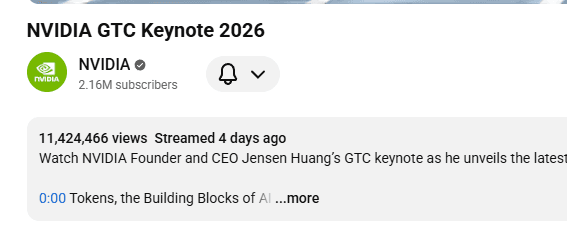
OpenAI's Spring Update keynote reached over 11 million views on YouTube in just four days, demonstrating unprecedented public engagement with a technical AI announcement.

4h ago·1 min read·7 views·via @kimmonismus
Share:

What Happened

A tweet from @kimmonismus highlighted that OpenAI's Spring Update keynote, presented on May 13, 2024, has surpassed 11 million views on YouTube within four days of its release. The keynote, which introduced the new GPT-4o model and real-time multimodal capabilities, was streamed live and the recording was published to OpenAI's official YouTube channel.

Context

The viewership metric is notable for a technical product announcement from an AI research company. For comparison, Apple's October 2023 "Scary Fast" Mac event has garnered approximately 5.6 million views in over six months. The rapid accumulation of views suggests the keynote's reach extended far beyond the typical developer and researcher audience, capturing significant mainstream attention.

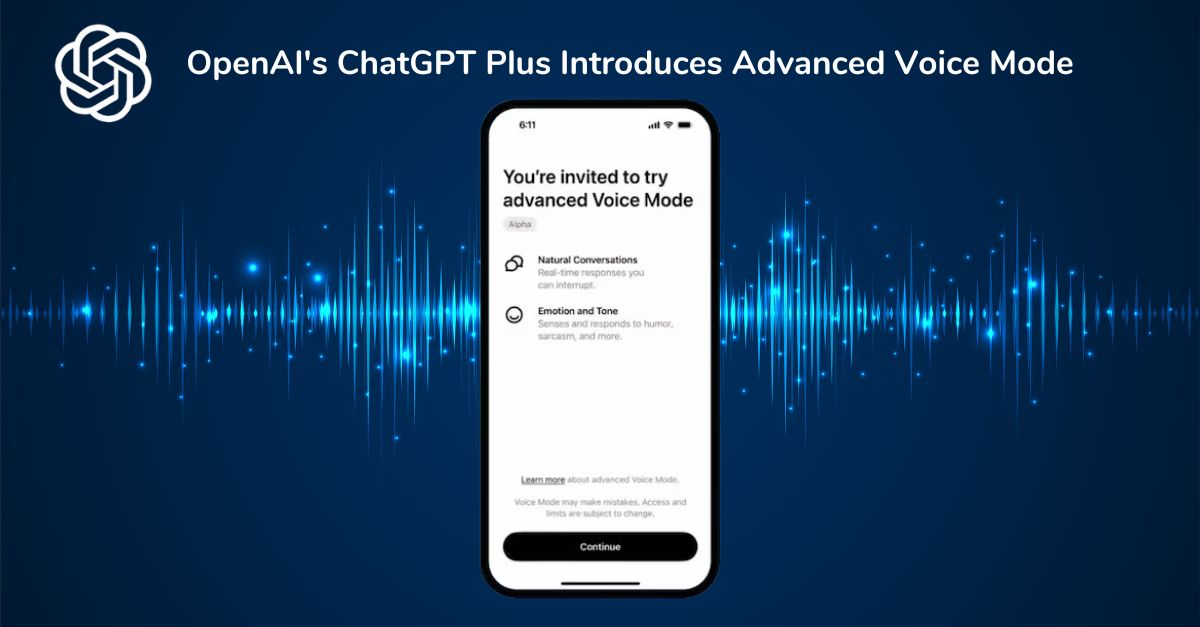
The keynote itself was a 26-minute presentation by OpenAI CTO Mira Murati and other team members, demonstrating GPT-4o's native ability to process and generate combinations of text, audio, and image inputs with low latency. The demos featured real-time conversational speech, vision-based problem solving, and emotional tone recognition.

No other official engagement metrics (like unique viewers, watch time, or social media mentions) were provided in the source, so the 11 million YouTube views in four days remains the primary data point for the event's scale.

AI Analysis

The viewership number is a strong proxy for surging public interest in applied AI, specifically in the shift from text-only chatbots to real-time, multimodal assistants. The keynote was effectively a product launch for a new model capability (GPT-4o's 'omni' modality), and the public's response indicates a market primed for the next phase of human-computer interaction. Practitioners should note that the demo-heavy, accessible format of the presentation is a deliberate strategy to showcase latency and usability—factors that are as critical as benchmark scores for adoption. The focus was on the user experience of real-time voice and vision, not on publishing new SOTA numbers on academic benchmarks. This suggests OpenAI's immediate competition is less about outperforming other models on MMLU and more about capturing the platform for the next generation of AI-native applications.
Original sourcex.com

Trending Now

More in Products & Launches

Browse more AI articles