What It Does
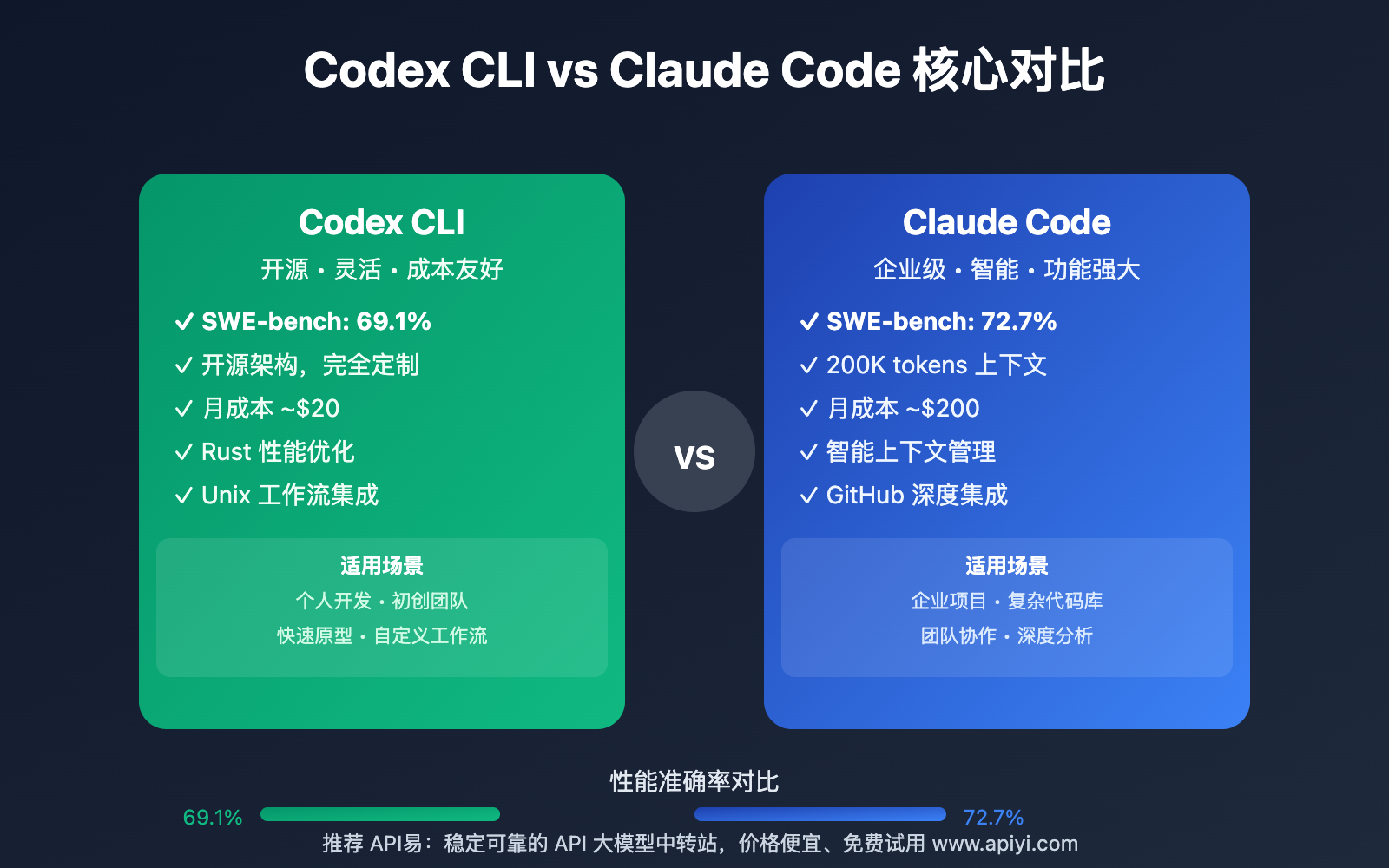
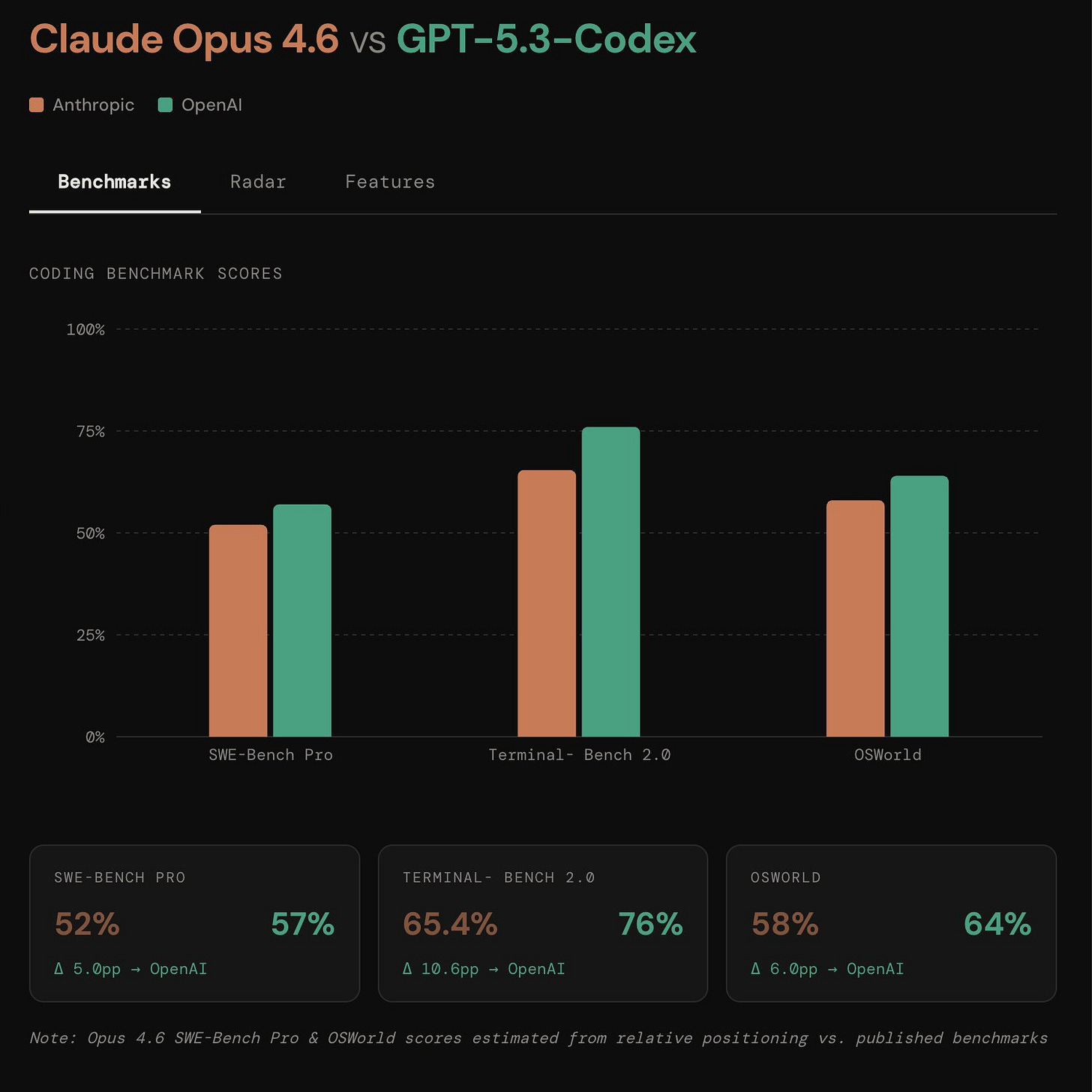
OpenClawdex is a lightweight desktop application that provides a native macOS interface for running both Claude Code and OpenAI Codex coding agents simultaneously. Unlike web-based tools or complex IDEs, it's designed specifically for developers who want to orchestrate multiple AI coding sessions without leaving their workflow.
The key innovation: it uses your existing CLI authentication. No API keys to copy-paste, no OAuth flows. If you're already logged into claude and codex via their respective CLIs, OpenClawdex just works with your current subscriptions.
Why It Matters For Claude Code Users
If you regularly use Claude Code for different projects or tasks, you've probably experienced the context-switching overhead. OpenClawdex solves this with:

- Parallel threads: Spawn as many concurrent Claude Code sessions as you need, each running in its own subprocess
- Project organization: Group threads by project with multiple folders per project
- Persistent history: Threads survive app restarts via the Claude Agent SDK
- Direct editor integration: Click any file path or diff to jump straight into VS Code, Cursor, or your preferred editor
How To Use It
Installation
# 1. Download the latest .dmg from the Releases page
# 2. Double-click and drag OpenClawdex to Applications
# 3. Launch from Applications or Launchpad
Prerequisites
You need at least one CLI agent installed and authenticated:
# For Claude Code
npm install -g @anthropic-ai/claude-code
claude auth login

# For OpenAI Codex
npm install -g @openai/codex
codex login
The app automatically detects which providers are available and greys out unavailable options.
Key Features In Action
Permission modes per thread: Switch between ask, plan, accept-edits, or bypass-permissions for each individual Claude Code session. This lets you run high-trust sessions alongside cautious ones.
Interactive prompts: When Claude Code needs approval for a tool call, plan, or asks a question via AskUserQuestion, OpenClawdex displays inline cards instead of blocking your terminal.
Thread management: Pin important threads at the top, archive completed ones, and drag-and-drop threads between projects.
The Technical Architecture
OpenClawdex is built as a monorepo with:
apps/web/: React + Vite + Tailwind v4 frontendapps/desktop/: Electron shell with CLI agent integrationpackages/shared/: Zod schemas for IPC messages
The Electron main process spawns claude (via Agent SDK with --output-format stream-json) and codex (via app-server JSON-RPC) as subprocesses, bridging their output to the React UI over IPC.
Current Limitations
- MacOS-only for now: The developer built it primarily for macOS but notes it can be extended to other platforms
- Requires CLI installation: You must have the Claude Code or Codex CLI installed locally
- Early stage: The project is new (7 points on HN at time of writing) and likely has rough edges
For Developers Who Want To Contribute
# Clone and run locally
git clone https://github.com/alekseyrozh/openclawdex
cd openclawdex
pnpm install
pnpm dev:desktop
The Electron window loads from http://localhost:4123 with hot reload enabled.
Why This Approach Wins
The "use existing CLI auth" model is brilliant for Claude Code users. It means:
- No security risk from storing API keys in another app
- Your Claude Max subscription just works
- You maintain control through the official CLI tools
- Billing stays with Anthropic/OpenAI, not a third party
This follows the trend of AI coding tools moving toward better local integration rather than purely cloud-based solutions.