The Benchmark That Quantifies the Hybrid Workflow
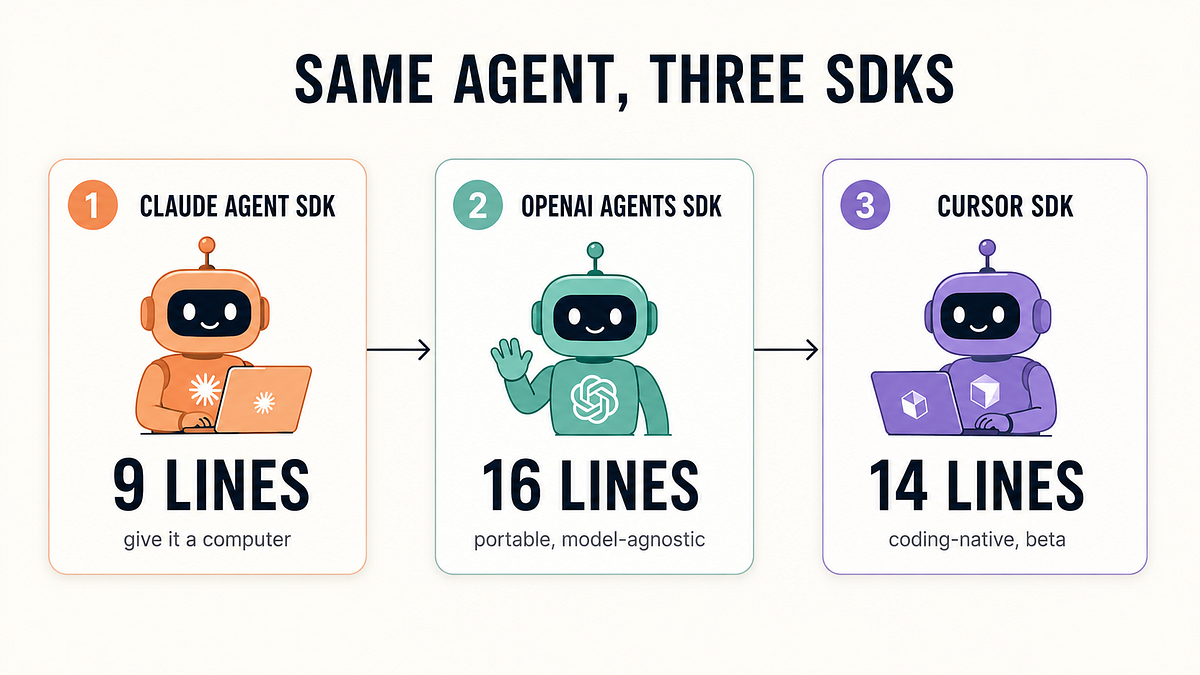
Developers have been experimenting with a two-model workflow: using Claude Opus for high-level planning and reasoning, then handing off to OpenAI's Codex (or similar) for pure code generation. The intuition was that Opus's superior reasoning would create better plans, while Codex's cheaper tokens would handle the bulk output. A new benchmark provides the first concrete cost data to validate—or challenge—this approach.
Using the opus-codex skill, the benchmark tested three real-world coding tasks of increasing scale: an 80-line CLI flag with tests, a 400-line HTML report generator, and a 1060-line REST API with extensive tests. Each task was run in isolated git worktrees to ensure clean comparisons.
The Results: A Clear Crossover Point
The data reveals a non-linear relationship:
80 LOC $0.33 $0.53 Pure Opus 400 LOC $0.68 $0.74 Pure Opus 1060 LOC $0.86 $0.78 Opus+CodexThe crossover happens around 600 lines of code. For tasks smaller than this, the overhead of planning, handoff, and review in the Opus+Codex workflow actually costs more than simply letting Opus write the entire codebase. The planning conversation and subsequent review turns add significant cached context reads that inflate costs.
The Hidden Cost Driver: Cache Reads, Not Output Tokens
While most developers focus on minimizing output tokens, this benchmark reveals that cache reads are the silent budget killer. Every API turn re-sends your entire conversation as cached context. The extra turns required for planning and review in the hybrid workflow can cause cache reads to balloon to 5-10x your output tokens.
A critical finding: when Codex generates large amounts of code (600+ lines), having that code appear as stdout in the conversation becomes the single largest cost inflator. The benchmark found that piping Codex output to a file instead of the conversation saved approximately $0.15 per run on large tasks.
Actionable Rules for Claude Code Users
Based on this data, here's your new decision framework:
- < 500 LOC: Use pure Claude Code (Opus). Don't complicate small tasks with hybrid workflows.
- 500-800 LOC: Either approach works with roughly equal cost. Choose based on code quality needs or personal preference.
- > 800 LOC: Opus+Codex saves money, and the savings gap grows with scale. This is where the hybrid approach justifies its complexity.
To implement the hybrid workflow efficiently in Claude Code today:
# Use the opus-codex skill for handoff
claude code --skill opus-codex --task "build a REST API with authentication"

# Pipe large Codex outputs to a file to avoid context bloat
claude code --execute "generate 800 lines of React components" > components.js

# Monitor your cache read ratios
claude code /cost  # Look for cache reads 5-10x output tokens
If you're burning through Opus tokens quickly, check your /cost breakdown. High cache read ratios indicate your conversation context has become bloated—consider starting a fresh session or piping outputs externally.
When Codex's Free Trial Changes the Math
The benchmark notes that Codex's free trial availability makes the hybrid approach even more attractive for large tasks. If you're within trial limits, the Opus+Codex workflow can be essentially free for the execution phase, changing the economic calculation entirely.
Remember: these numbers reflect specific test conditions. Your actual crossover point may vary based on task complexity, prompt efficiency, and how much planning overhead your specific workflow introduces. The key takeaway is that hybrid workflows aren't automatically cheaper—they require scale to overcome their inherent overhead.