Anthropic's Opus 5 launch has been met with unusually harsh criticism from developers, according to a widely-shared X post by @kimmonismus. The post, dated February 2026, captures a drastic mood shift against the company, with the author noting they 'didn't expect the mood to shift so drastically'.
Key facts
- Opus 5 released February 2026
- X post by @kimmonismus notes 'drastic mood shift'
- Anthropic reported $1.2B annualized revenue in late 2025
- No benchmark scores disclosed in launch materials
- Complaints include slower inference and higher cost
Anthropic's Opus 5 launch has been met with unusually harsh criticism from developers, according to a widely-shared X post by @kimmonismus. The post, dated February 2026, captures a drastic mood shift against the company, with the author noting they "didn't expect the mood to shift so drastically."
Opus 5, released earlier this month, has faced complaints about performance regression and API pricing. While Anthropic did not disclose benchmark scores in its launch materials, early developer reports on X and Hacker News point to slower inference and higher cost per token compared to Opus 4. The company has not publicly responded to the criticism.
The backlash follows a pattern of developer discontent seen across recent Claude releases, with users complaining about rate limits and stability. In contrast, OpenAI's GPT-5.2 and Google's Gemini 2.5 have seen more favorable receptions in the same period, according to community sentiment tracking on X. This dynamic suggests Anthropic is losing its edge as the developer favorite.
Why this matters
The Opus 5 backlash is not just about one model. It signals a structural shift: Anthropic's brand among technical users is eroding just as enterprise adoption accelerates. The company reported $1.2B annualized revenue in late 2025 [per public reports], but developer trust is a leading indicator of churn. If the mood on X translates to API usage declines, Anthropic's growth narrative weakens.
The competitive backdrop
Anthropic faces pressure on three fronts: OpenAI's aggressive pricing on GPT-5 series, Google's bundling of Gemini with its cloud credits, and open-weight models like Llama 4 that undercut on cost. Opus 5 was supposed to be the differentiator—a model that justifies premium pricing. Instead, early reviews suggest it's a marginal improvement at best, with some users reporting regression on coding tasks.
What to watch
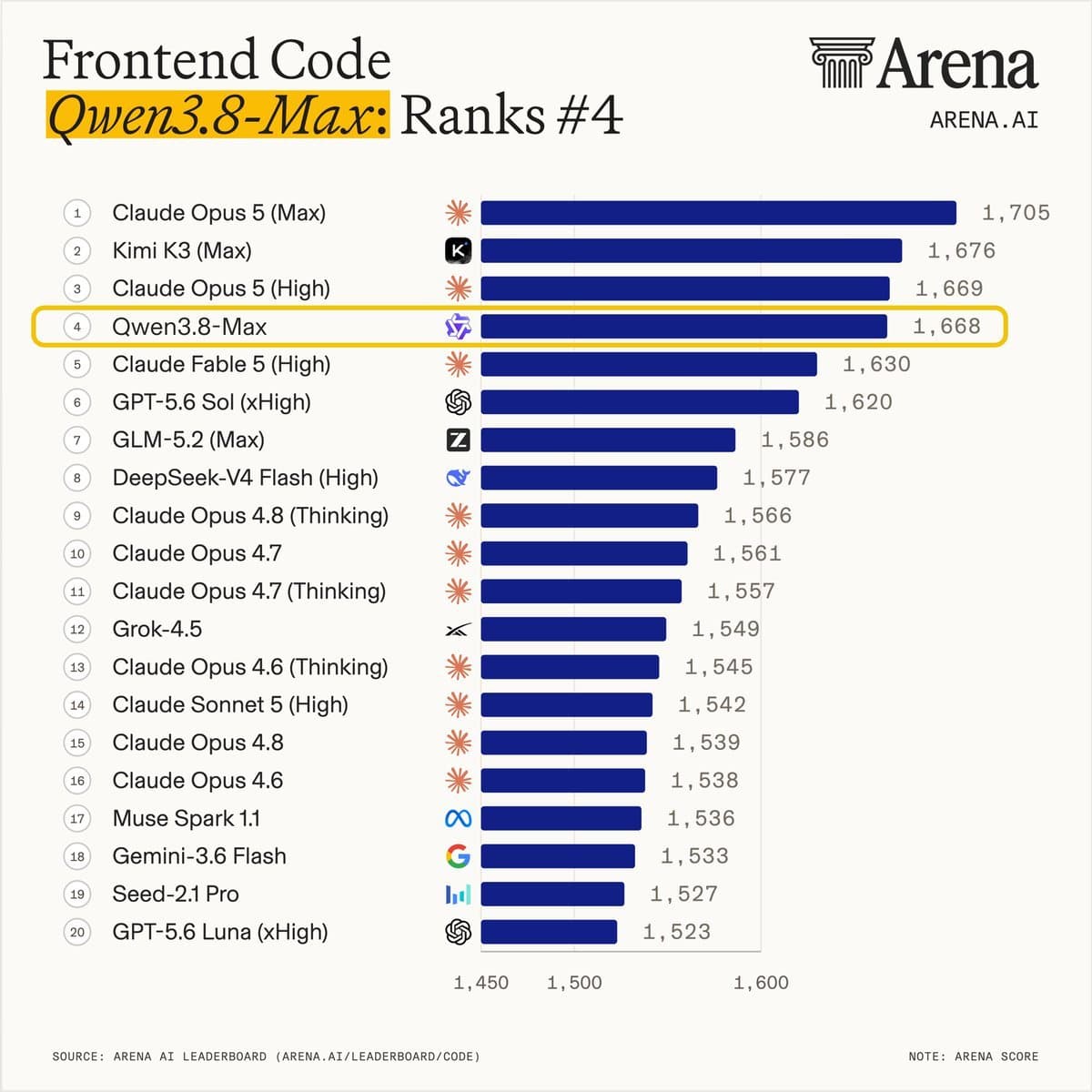
Watch for Anthropic's next API changelog and any pricing adjustments. A price cut or a rapid Opus 5.1 patch would be an admission of the backlash. Also monitor third-party benchmark sites like Artificial Analysis for updated latency and cost metrics. If Opus 5 fails to top the charts within 30 days, the narrative of Anthropic's technical superiority takes a serious hit.