In a landscape saturated with incremental improvements to existing tools, PixVerse has unveiled something genuinely novel: a technology they're calling "Playable Reality." As described by AI researcher Hasaan Ali (@hasantoxr), this isn't merely a faster video generation tool—it represents the emergence of an entirely new medium. Positioned somewhere between traditional video, interactive gaming, and immersive virtual worlds, Playable Reality defies easy categorization while hinting at profound shifts in how we create and consume digital experiences.
What Exactly Is Playable Reality?
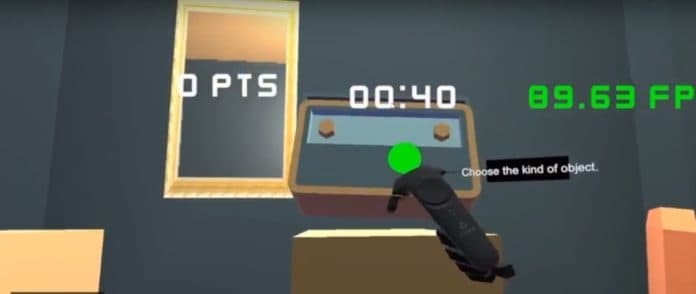
At its core, Playable Reality appears to be an AI system that generates not just static or linear video content, but dynamic, interactive environments. Unlike current text-to-video models that produce predetermined clips, this technology seems to create scenes with inherent interactivity—elements that can be manipulated, explored, or influenced in real-time. The "playable" aspect suggests user agency, while "reality" implies a coherent, persistent world governed by consistent rules.
Early descriptions position it as a hybrid form: possessing the narrative and visual richness of film, the interactive mechanics of games, and the exploratory freedom of virtual worlds, yet belonging wholly to none of these categories. This represents a significant leap from generative AI's current focus on replicating existing formats toward inventing fundamentally new ones.
Technical Implications and Architecture
While specific technical details remain limited, creating such a medium likely requires several AI advancements working in concert. A plausible architecture might include:
- World Generation Models: Unlike 2D video synthesis, these would need to construct consistent 3D environments with spatial relationships and persistent objects.
- Physics and Interaction Engines: AI systems that understand cause-and-effect, allowing user actions to produce logical, visual consequences within the generated world.
- Dynamic Narrative AI: Systems that can adjust story elements or environmental responses based on user input, moving beyond pre-scripted branching paths.
- Real-time Rendering Integration: The ability to generate and modify high-fidelity visual elements on-the-fly as users interact with the environment.
This technical stack suggests convergence between generative AI, game engine technology, and real-time graphics rendering—a fusion that could redefine development pipelines across multiple industries.
Potential Applications and Use Cases
The implications of a truly interactive, AI-generated medium are vast:
Entertainment & Storytelling: Imagine films where viewers can explore scenes from different angles, interact with background characters, or subtly influence plot outcomes. This creates a spectrum between passive viewing and active gaming.
Education & Training: Complex concepts could be taught through immersive, interactive simulations that adapt to student choices. Medical students could practice procedures in generated environments with variable conditions.
Social & Virtual Spaces: Playable Reality could power next-generation virtual gatherings where environments dynamically respond to participants, creating unique shared experiences rather than static digital venues.
Prototyping & Design: Architects, product designers, and urban planners could generate interactive prototypes of their concepts, allowing stakeholders to experience and modify designs in real-time before physical production.
Challenges and Considerations
Despite its promise, Playable Reality faces significant hurdles:
Computational Demands: Real-time generation of high-fidelity interactive environments requires immense processing power, potentially limiting accessibility.
Content Moderation: User-influenced content generation creates new challenges for safety, as AI systems must interpret and respond to potentially harmful inputs appropriately.
Creative Control: How do creators maintain narrative or aesthetic coherence when users can interact with and alter generated worlds? New frameworks for "guided emergence" may be necessary.
Intellectual Property: The legal status of AI-generated interactive environments—especially those incorporating user modifications—remains largely uncharted territory.
The Broader Context of AI Evolution
Playable Reality arrives at a pivotal moment in generative AI development. After initial breakthroughs in image generation and text synthesis, the field has increasingly focused on video. However, most efforts have aimed to improve the fidelity, length, and coherence of traditional linear video.
PixVerse's approach represents a different philosophical direction: rather than perfecting replication of existing media, they're exploring what new forms become possible only with AI. This aligns with historical patterns of technological innovation—from photography enabling cinema to computers enabling video games—where new tools don't just improve existing arts but create entirely new ones.
Looking Forward
While Playable Reality is in early stages, its conceptual framework suggests where generative AI might head next: toward systems that don't just create content but create contexts—dynamic, responsive environments that serve as canvases for human interaction and creativity.
The true test will be whether this medium finds its own unique expressive language rather than simply blending existing ones. Just as cinema developed techniques like montage that were impossible in theater, Playable Reality may need to discover its own native forms of expression that leverage its unique interactive and generative capabilities.
As PixVerse continues development, the creative community will be watching closely. The emergence of a genuinely new medium is rare—perhaps once in a generation—and its successful establishment could reshape not just how we use AI, but how we conceive of digital experience itself.
Source: Initial concept described by Hasaan Ali (@hasantoxr) based on PixVerse's "Playable Reality" technology.