What Happened
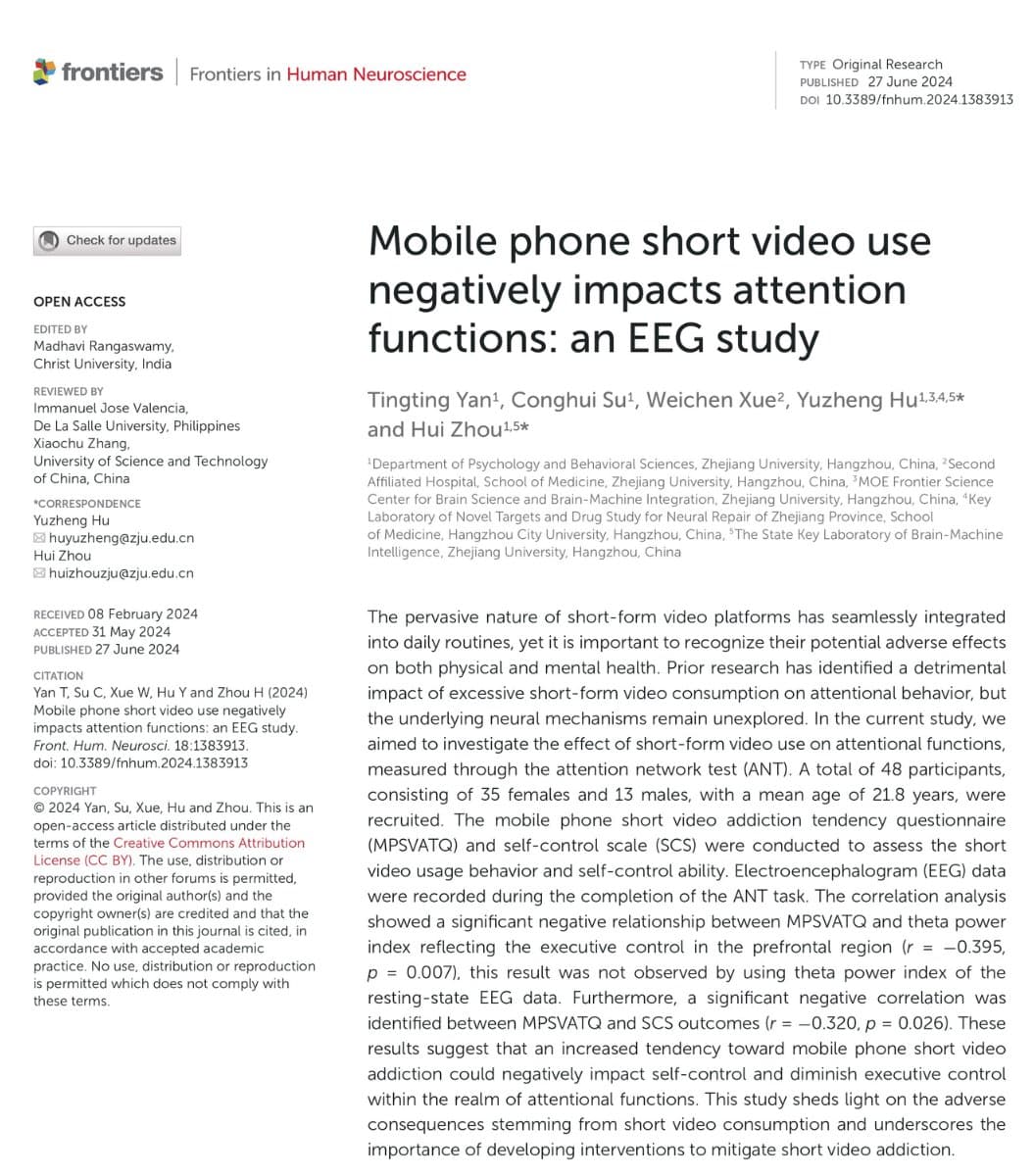
A research paper, highlighted by AI researcher Rohan Paul, presents a critical analysis of current AI development methodology. The core argument is that the dominant paradigm of scaling models and training them on increasingly large datasets to improve benchmark scores has a "giant blind spot." The research suggests that while AI systems become more proficient at specific, narrow tasks as measured by standard evaluations, this improvement does not necessarily correspond to the development of genuine understanding or robust reasoning capabilities.
Context
This critique touches on a central debate in machine learning: the relationship between performance on static benchmarks and the development of generalizable intelligence. The current scaling paradigm, driven by companies like OpenAI, Google, and Anthropic, relies heavily on metrics from benchmarks like MMLU (Massive Multitask Language Understanding), GSM8K (grade-school math), or coding challenges to demonstrate progress. The research posits that this creates a perverse incentive where the field optimizes for benchmark performance—sometimes through dataset contamination or narrow training—rather than for building systems with deeper cognitive capabilities. This "blind spot" means that reported state-of-the-art results may overstate true advancements in AI comprehension and reasoning.