Robotics startups raised $18.8 billion globally in the first half of 2026, per Crunchbase. That already exceeds the $15 billion raised in all of 2025.
Key facts
- $18.8B raised by robotics startups globally in first half of 2026.
- Saronic raised $1.75B Series D at $9.25B valuation.
- Neura Robotics secured $1.4B in Series C from Tether.
- Skild AI raised $1.4B at $14B+ valuation, tripling in 7 months.
- Shihang Intelligent raised $1B Series A in China.
Robotics startup funding hit a record high in 2025, per Crunchbase data. And that trend is continuing in 2026 so far, with funding to the sector already eclipsing 2025’s totals.
Globally, robotics startups have so far raised $18.8 billion in 2026, compared to $15 billion in the full year of 2025. The figure also handily surpasses the $14.1 billion raised in the peak venture funding year of 2021, and we still have more than six months of fundraising left According to Crunchbase.
Key Takeaways
- Robotics startups raised $18.8B in first half 2026, exceeding 2025's $15B total.
- Saronic and Neura Robotics led with $1.75B and $1.4B rounds.
Where the money went
Topping the list of largest deals in 2026 so far is Austin-based Saronic, a defense tech startup focused on autonomous sea vessels. In March, the 4-year-old company raised $1.75 billion in Series D funding, bringing its total funding to around $2.6 billion. Kleiner Perkins led the round, which set Saronic’s valuation at $9.25 billion — more than double its Series C level in 2025.
Earlier this month, Germany’s Neura Robotics, a developer of AI infrastructure for robots to learn, collaborate and operate across real-world environments, said it secured up to $1.4 billion in Series C funding. Tether led that raise.
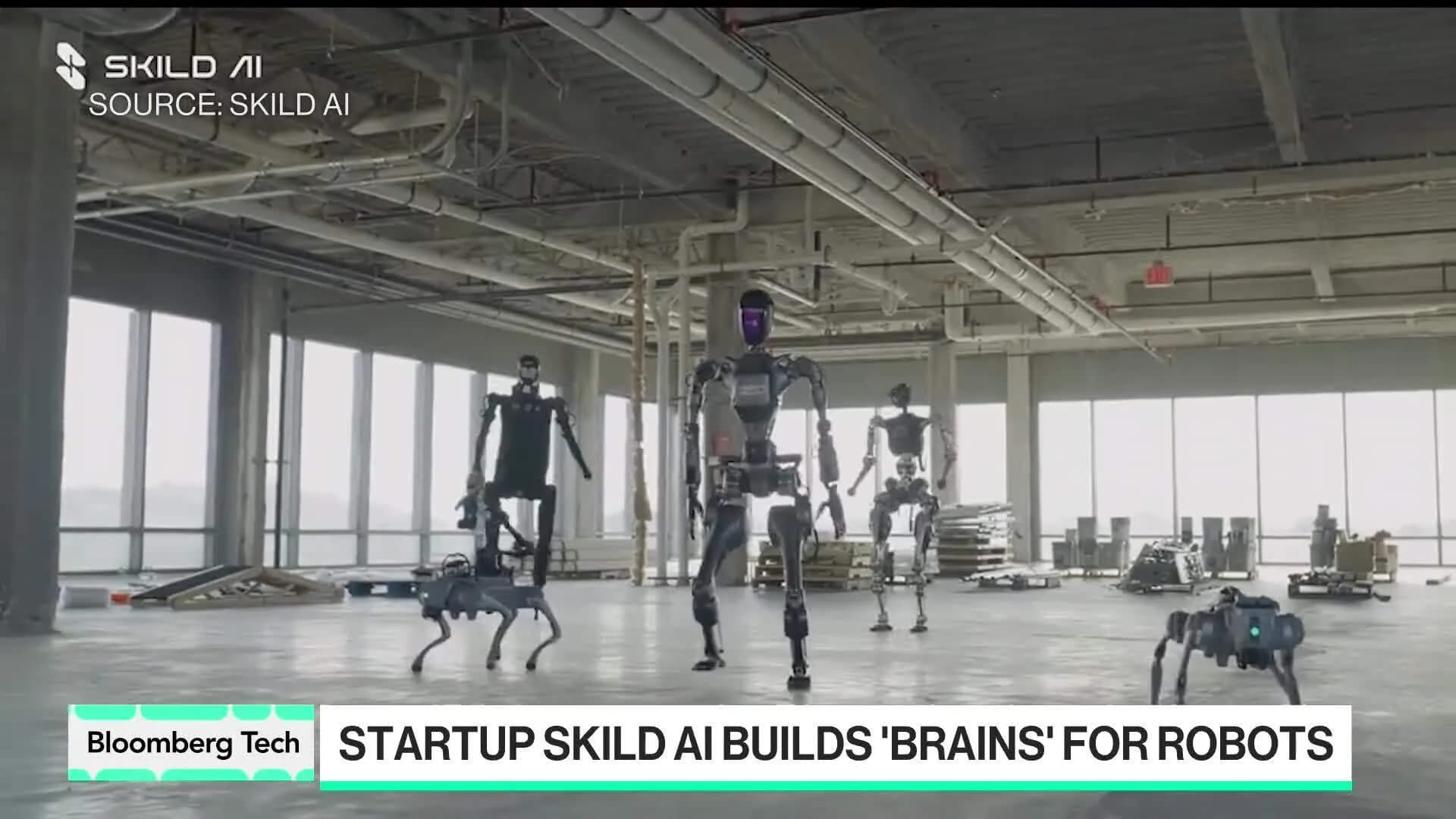
In January, Skild AI, a robotics company building an “omni-bodied” brain to operate any robot for any task, announced that it had raised $1.4 billion, tripling its valuation to over $14 billion. That financing came just over seven months after Skild raised a $135 million Series B at a $4.5 billion valuation. SoftBank Group led the startup’s latest round, which included participation from NVentures, Nvidia’s venture capital arm.
On June 15, Beijing-based Shihang Intelligent, which creates water robots and intelligent unmanned equipment, raised $1 billion in a massive Series A round led by Beijing Shanghe Momentum Private Equity Fund.
And in February, AI-powered robotics company Apptronik raised $520 million in an extension of its $415 million Series A raise in February 2025, bringing the total round to over $935 million. Existing backers B Capital, Google, Mercedes-Benz and Peak6 joined new investors, including AT&T Ventures and manufacturing giant John Deere in participating in the extension.
Interestingly, Rivian spinout Mind Robotics has already raised two rounds in 2026. In March, the Palo Alto, California-based startup closed on a $500 million Series A round, co-led by Accel and Andreessen Horowitz. Then in May, it raised another $400 million in a financing led by Kl.
The impressive rise in funding reflects a marked shift in perception among venture investors about the robotics sector, which was traditionally considered an expensive, asset-heavy hardware gamble. In particular, investors appear to be drawn to startups working on embodied AI, or artificial intelligence with a physical body that interacts with the real world in real time. This aligns with broader industry bets on Physical AI, where companies like Nvidia and Google are investing heavily through venture arms like NVentures.
The record haul also underscores a structural change: robotics is no longer a niche hardware bet but a software-defined platform play. The $18.8 billion figure includes significant rounds from defense (Saronic), industrial automation (Neura), and general-purpose robotics (Skild AI), suggesting investors see multiple exit paths beyond just factory automation.
What to watch
Watch for a potential IPO filing from Skild AI or Saronic before year-end, given their rapid valuation growth. Also track whether China-based Shihang Intelligent expands beyond water robots into broader autonomous systems, and whether Mind Robotics raises a third round in 2026.

Source: news.crunchbase.com
[Updated 24 Jun via pandaily]
Separately, Shanghai MicroPort MedBot's Toumai Remote surgical robot received CE marking for the EU market, per a Hong Kong stock exchange filing on Monday [per Pandaily]. This marks the first Chinese teleoperated surgical robot to gain EU approval, allowing surgeons to conduct remote laparoscopic surgeries across member states.