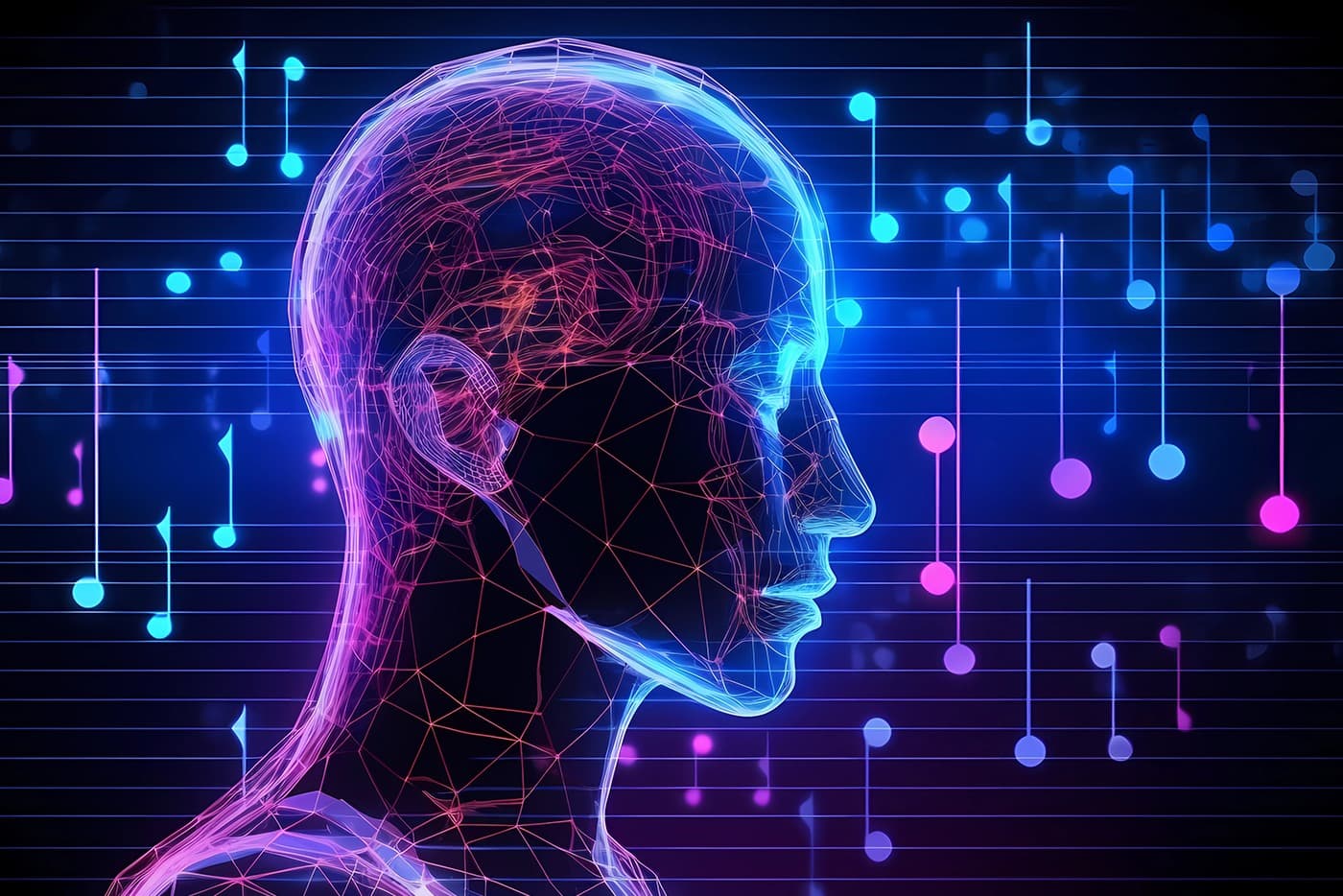
In a significant move that signals artificial intelligence's transition from experimental tools to mainstream consumer applications, both Google and Apple are integrating generative AI music features into their core platforms. According to Bloomberg reports, these tech giants are adding music-focused AI capabilities that will fundamentally change how users interact with their devices and create content.
What's Changing: The New AI Music Features
Google's Gemini AI assistant now enables users to generate 30-second music tracks based on text descriptions, photos, or uploaded videos. The feature, available to users over 18 in multiple languages including English, German, Spanish, French, Hindi, Japanese, Korean, and Portuguese, represents a significant expansion of AI's creative capabilities beyond text and image generation.
While specific details about Apple's implementation remain less detailed in current reports, the simultaneous announcement suggests both companies recognize music generation as the next frontier in consumer AI applications. This development follows Google's recent open-sourcing of its MCP Toolbox for Databases on February 16, 2026, which enables secure AI agent database access—part of Alphabet's broader strategy to demonstrate the revenue potential of its AI investments to investors.
The Technical Foundation: From Gemini to Mainstream
Google's music generation capability builds upon its existing Gemini infrastructure, which has evolved through multiple iterations including Gemini 3 Deep Think. The ability to create both custom lyrics and purely instrumental audio suggests sophisticated multimodal AI systems that can interpret various input types and translate them into coherent musical compositions.
This development represents a natural progression in AI's creative capabilities. Where previous AI systems excelled at pattern recognition and replication, these new tools demonstrate genuine creative synthesis—combining musical theory, emotional interpretation of visual and textual prompts, and audio production techniques into seamless 30-second compositions.
Market Context: Why Music Matters
The timing of these announcements is particularly significant. Alphabet has been actively working to demonstrate to investors that its substantial AI investments can translate into tangible revenue streams. By integrating these features into core consumer applications rather than standalone products, both companies are positioning AI as an essential component of everyday digital experiences rather than specialized tools for technical users.
Music represents an ideal testing ground for several reasons. First, it's a universal human experience with clear emotional and cultural resonance. Second, the technical challenges of music generation—balancing melody, harmony, rhythm, and production quality—provide a rigorous test of AI's creative capabilities. Third, successful music AI could open doors to numerous monetization strategies, from subscription features to creator tools to advertising integrations.
User Experience Implications
For everyday users, these developments promise to democratize music creation in unprecedented ways. Imagine describing a mood or scene and having an AI generate a fitting soundtrack, or uploading vacation photos and receiving a personalized musical interpretation. The multilingual support indicates these tools are designed for global adoption from the outset.
The age restriction (18+) suggests companies are being cautious about potential copyright and content moderation issues—a wise approach given the complex legal landscape surrounding AI-generated content and music licensing.
Industry Impact and Future Trajectory
These announcements will likely accelerate several industry trends:
Content Creation Democratization: Just as smartphones democratized photography and social media democratized publishing, AI music tools could make music creation accessible to billions of people without formal musical training.
Platform Competition Intensification: With both major mobile ecosystem providers investing heavily in creative AI, we can expect rapid iteration and feature expansion as each seeks competitive advantage.
Copyright Evolution: The music industry will need to develop new frameworks for AI-generated content, potentially leading to new licensing models and revenue streams for artists and rights holders.
Educational Applications: These tools could revolutionize music education, allowing students to experiment with composition and theory in intuitive, immediate ways.
Challenges and Considerations
Despite the exciting possibilities, significant challenges remain. Quality control will be crucial—early AI music generators have often produced generic or repetitive results. There are also ethical considerations around training data (what music has the AI learned from?) and potential displacement of human musicians for certain types of work.
The integration of these features into core platforms rather than standalone apps suggests companies are betting on widespread adoption, but also raises questions about data privacy and how user-generated content might be used to further train these systems.
Looking Ahead: The Future of Creative AI
Google and Apple's moves into AI music generation represent more than just new features—they signal a fundamental shift in how we think about creativity and technology. As these tools mature, we can expect them to integrate more deeply with other applications, potentially enabling seamless soundtrack generation for videos, personalized background music for productivity, or even collaborative tools where humans and AI co-create.
The true test will be whether these tools can move beyond novelty to become genuinely useful creative partners that enhance rather than replace human musical expression. Based on the resources both companies are dedicating to this space, and the strategic importance they're placing on AI-driven revenue growth, we can expect rapid advancement in both capability and integration.
Source: Bloomberg (2026-02-18)