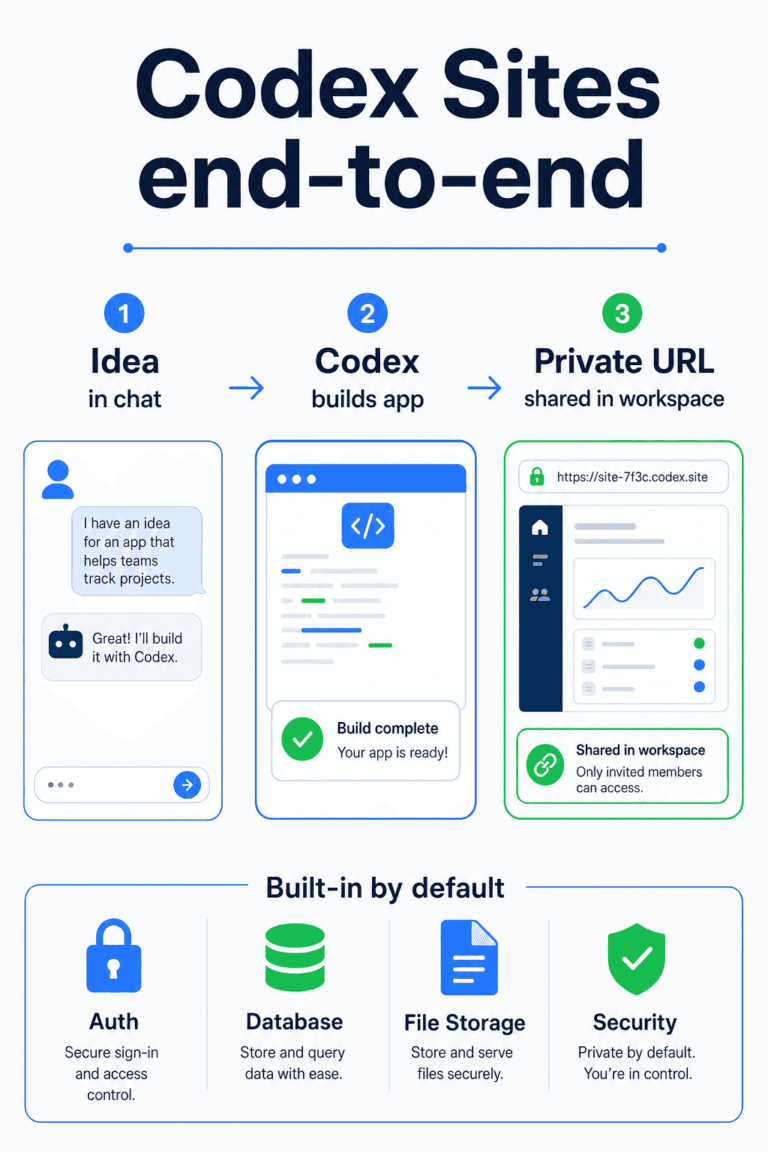
A quiet revolution is unfolding in how we conceptualize artificial intelligence's role in our daily lives and work. What began as conversational chatbots and coding assistants is rapidly evolving into something far more profound: autonomous digital proxies capable of orchestrating multiple AI models to complete complex tasks, run tools, read the web, and execute work independently. This emerging paradigm shift promises to transform productivity not just for developers but for knowledge workers across all domains.
From Assistant to Autonomous Agent
The trajectory of AI development has followed a clear progression from simple pattern recognition to complex reasoning, and now toward autonomous execution. Early AI systems required constant human prompting and supervision—they were tools we used, not agents that worked independently. Claude Code represents a significant milestone in this evolution, demonstrating that AI can continue working on coding tasks while the human developer sleeps, iterating through solutions, testing implementations, and preparing results for review.
What makes this development particularly noteworthy is how it's expanding beyond specialized technical domains. As noted by commentator Aravind and highlighted by @kimmonismus, this capability is "soon becoming a real part of the work for non-coders as well." The implications are profound: we're moving toward a future where AI doesn't just assist with tasks but actually takes ownership of entire workflows.
The Orchestration Layer: AI Managing AI
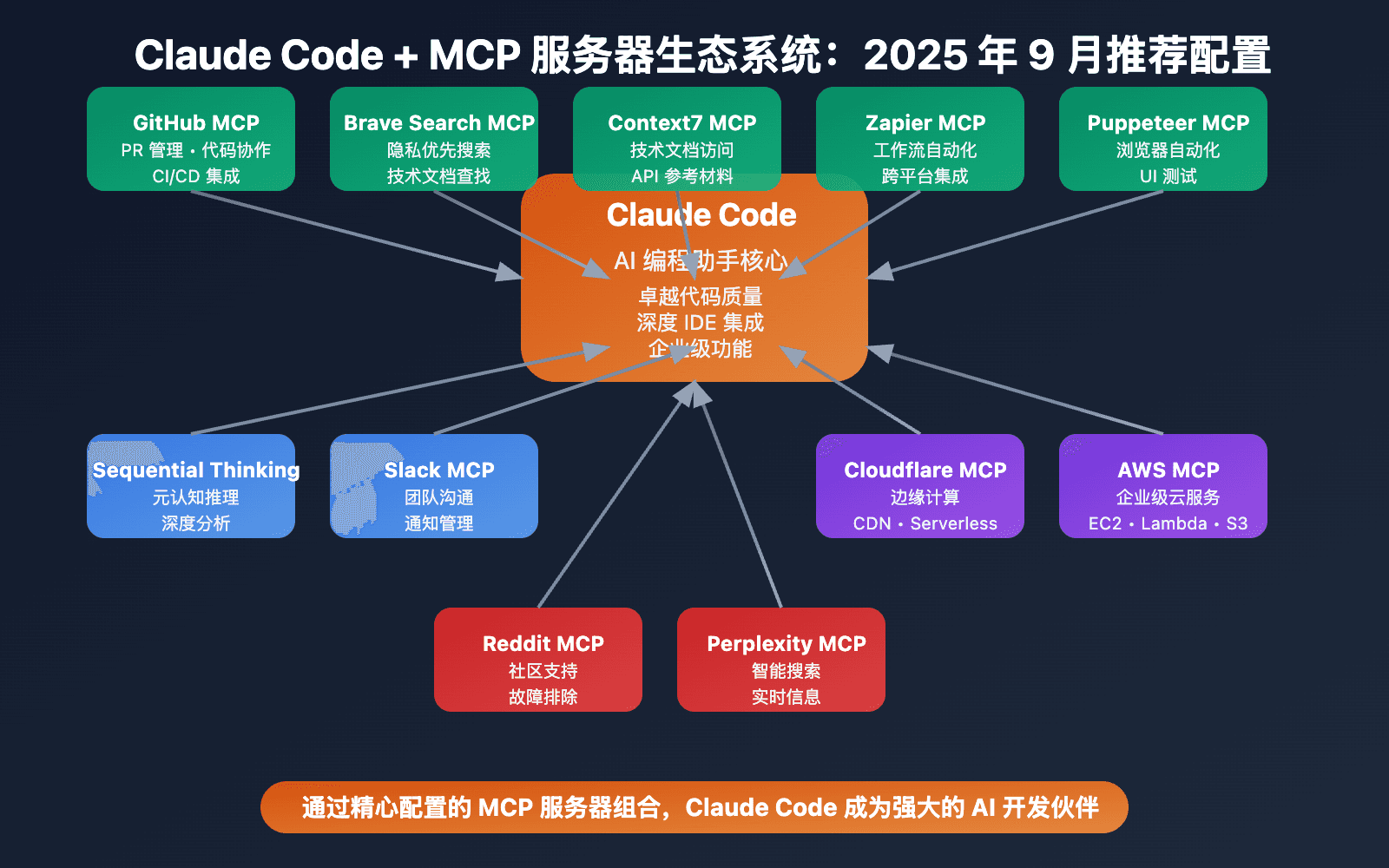
At the heart of this transformation is what might be called the "orchestration layer"—the capability for one AI system to coordinate multiple specialized models to achieve complex objectives. Rather than relying on a single monolithic intelligence, these systems function more like digital project managers, determining which AI models are best suited for specific subtasks, managing their execution, and synthesizing their outputs.
This orchestration capability represents a fundamental architectural shift. Instead of asking users to manually chain together different AI tools or switch between specialized interfaces, the system itself determines the optimal approach. Need to research a topic, analyze data, create visualizations, and draft a report? An orchestrated AI system could autonomously deploy research models, analytical tools, visualization generators, and writing assistants—all while maintaining coherence across the entire workflow.
The Always-On Digital Proxy
The concept of an "always-on digital proxy" captures the essence of this transformation. Unlike current AI tools that activate only when explicitly prompted, these systems maintain persistent awareness of objectives and can work continuously toward their completion. They're not just reactive but proactive—identifying opportunities, anticipating needs, and executing tasks without waiting for explicit instructions.
This always-on capability fundamentally changes our relationship with technology. Rather than being tools we periodically engage with, these systems become persistent extensions of our cognitive and productive capacities. They can monitor developments, track progress, and adapt strategies in real-time, creating what amounts to a parallel stream of productivity that operates alongside (and often ahead of) our conscious work.
Implications for Knowledge Work
The expansion of autonomous AI capabilities from coding to general knowledge work represents one of the most significant developments in workplace technology since the personal computer. For non-coders, this means:
Continuous Research and Synthesis: AI systems could monitor news sources, academic publications, and industry developments around the clock, synthesizing relevant information and preparing briefing materials before the workday even begins.
Automated Workflow Management: From scheduling and email triage to document preparation and data analysis, routine knowledge work could be handled autonomously, freeing human workers for higher-level strategic thinking and creative tasks.
Cross-Domain Problem Solving: By orchestrating specialized models across different domains, these systems could tackle complex problems that currently require consultation with multiple experts or extensive research across disparate fields.
Personalized Skill Augmentation: Rather than requiring workers to master numerous specialized tools, AI proxies could provide customized interfaces that translate natural objectives into optimized workflows across multiple systems.
Technical and Ethical Considerations
The development of autonomous AI proxies raises important technical and ethical questions that must be addressed as these systems become more capable:
Accountability and Transparency: When AI systems work autonomously, how do we ensure their decisions and outputs remain transparent and accountable? What mechanisms will allow humans to understand and validate the work performed while they were offline?
Security and Control: Always-on systems with access to tools and web resources create new security considerations. How do we prevent unauthorized actions or ensure these systems operate within appropriate boundaries?
Skill Preservation and Development: As AI takes over more routine tasks, how do we ensure human workers continue developing fundamental skills rather than becoming overly dependent on automated systems?
Economic and Employment Impacts: The ability of AI to work continuously could significantly alter productivity expectations and employment structures, requiring careful consideration of how these benefits are distributed.
The Future of Human-AI Collaboration
What emerges from this development is not the replacement of human workers but the evolution of human-AI collaboration. The most productive arrangements will likely involve humans setting strategic direction, establishing ethical boundaries, and providing creative insight while AI handles execution, optimization, and routine problem-solving.
This partnership model leverages the unique strengths of both human and artificial intelligence: human creativity, ethical reasoning, and strategic vision combined with AI's capacity for continuous operation, rapid computation, and systematic execution. The result could be a dramatic expansion of what individual knowledge workers can accomplish, not through working longer hours but through more effective collaboration with increasingly capable digital partners.
Conclusion: The Coming Transformation
The transition from AI as tool to AI as autonomous proxy represents one of the most significant developments in computing since the internet. As these systems evolve from specialized coding assistants to general-purpose orchestrators capable of managing complex workflows across multiple domains, they promise to fundamentally reshape how knowledge work is performed.
What makes this development particularly compelling is its democratizing potential. Just as personal computers brought computational power to individuals rather than just institutions, autonomous AI proxies could bring sophisticated workflow automation to all knowledge workers, not just those with technical expertise. The result may be a world where our digital counterparts work alongside us—and for us—transforming not just what we can accomplish but how we conceptualize work itself.
Source: Analysis based on commentary from @kimmonismus highlighting insights from Aravind about the evolution of AI from assistants to autonomous digital proxies.