Key Takeaways
- An investigation into the 'silent epidemic' of ML model failure finds that 87% of models never make it to production, despite significant investment in development.
- This represents a massive waste of resources and talent across industries.
The Silent Epidemic in AI Implementation
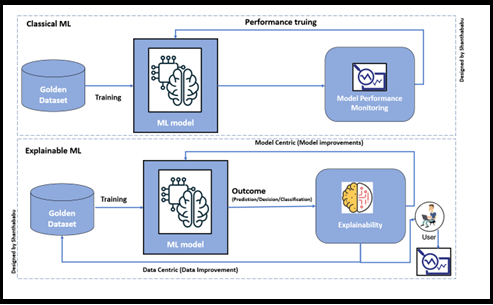
A recent investigation has revealed a startling statistic that should concern every organization investing in artificial intelligence: 87% of machine learning models never reach production. This "graveyard of models" represents what the analysis calls a "silent epidemic killing our best work"—a massive waste of computational resources, data scientist talent, and organizational investment.
While the specific methodology behind the 87% figure isn't detailed in the source snippet, the core message is clear: the journey from prototype to production remains perilously difficult for most AI initiatives. This failure rate suggests fundamental problems in how organizations approach machine learning implementation, particularly in bridging the gap between experimental models and operational systems.
Why This Matters for Retail & Luxury
For luxury and retail companies investing heavily in AI—from personalized recommendations and visual search to demand forecasting and supply chain optimization—this statistic should serve as a wake-up call. The industry's embrace of AI has been enthusiastic, with major players like LVMH, Kering, and Richemont announcing ambitious AI initiatives across customer experience, inventory management, and creative processes.
However, if the broader industry trend holds true for retail, nearly 9 out of 10 AI projects in our sector may be failing to deliver operational value. Consider the implications:
- Personalization engines that show promising accuracy in testing but can't handle real-time traffic
- Visual search models that work perfectly on curated datasets but fail with real customer photos
- Demand forecasting algorithms that can't integrate with legacy inventory systems
- Chatbots and virtual assistants that degrade when exposed to actual customer queries
Each abandoned model represents not just wasted development effort, but lost opportunities to enhance customer experience, optimize operations, or gain competitive advantage.
Business Impact: The Cost of Failed AI
The business impact extends beyond direct development costs. Failed AI initiatives create organizational skepticism that can stall future innovation. When data science teams consistently fail to deliver production-ready solutions, executive confidence wanes, budgets tighten, and talented practitioners become frustrated and leave.
For luxury brands where customer experience is paramount, the opportunity cost is particularly high. A recommendation engine that never reaches production means lost sales from missed personalization opportunities. A visual search tool stuck in development means competitors who successfully deploy similar technology gain first-mover advantage.
Implementation Challenges in Retail Context
Retail and luxury face unique implementation challenges that may contribute to this high failure rate:
Legacy System Integration: Many luxury retailers operate on decades-old ERP and POS systems that weren't designed for AI integration
Data Quality and Silos: Customer data is often fragmented across e-commerce platforms, physical stores, CRM systems, and third-party providers
Seasonal and Fashion Cycles: Models trained on last season's data may not generalize to new collections, requiring constant retraining
High-Stakes Environments: In luxury, brand perception is everything—a poorly performing AI feature can damage brand equity more than it helps
Regulatory Complexity: Global operations mean navigating GDPR, CCPA, and other privacy regulations that constrain data usage
Governance & Risk Assessment
To combat this epidemic of failed models, retail AI leaders need to shift from a prototype-centric to a production-first mindset:
Maturity Assessment: Before starting any AI project, honestly assess your organization's production readiness. Do you have the MLOps infrastructure, data pipelines, and deployment processes in place?
Incremental Delivery: Rather than aiming for perfect models, focus on minimum viable products that can be deployed quickly and improved iteratively.
Cross-Functional Teams: Include engineers, product managers, and business stakeholders from day one—not just data scientists.
Production Metrics: Define success metrics based on business outcomes (sales lift, customer satisfaction) rather than just model accuracy.
Technical Debt Management: Budget at least 50% of AI project resources for integration, monitoring, and maintenance—not just model development.
The Path Forward
The 87% failure rate isn't inevitable. Organizations that treat production deployment as a first-class concern—not an afterthought—can dramatically improve their success rates. This requires investment in MLOps platforms, standardized deployment pipelines, and a cultural shift that values operational excellence alongside algorithmic innovation.
For luxury retailers, the stakes are particularly high. In an industry where differentiation is everything, successfully deploying AI can create significant competitive advantage. But that advantage only materializes when models escape the graveyard and reach the customers they were designed to serve.