A growing chorus of AI developers is raising concerns about platform exclusivity in the machine learning tooling ecosystem. According to observations shared by developer Michael Weinbach and echoed across technical communities, there's a noticeable trend where "everything is Mac only or Mac first" when it comes to cutting-edge AI development tools and applications.
Key Takeaways
- AI developers report a growing trend of cutting-edge AI tools being released exclusively or primarily for macOS, making it difficult for Windows and Linux users to access the latest innovations.
- This platform shift creates a hardware-based barrier to entry in the AI development ecosystem.
What's Happening
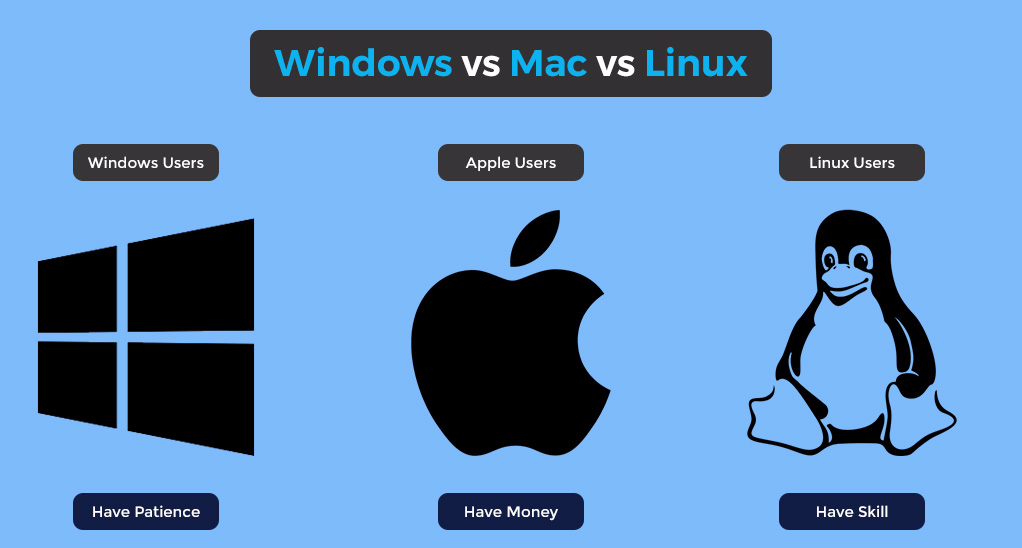
Developers working on Windows and Linux systems report increasing difficulty accessing the latest AI tools, frameworks, and applications that are being developed with macOS as the primary or exclusive target platform. This creates a situation where developers without Apple hardware "literally can't" keep up with the most recent advancements in AI tooling.
The pattern appears across multiple categories of AI development tools:
- Local AI inference applications that leverage Apple Silicon's Neural Engine
- Developer productivity tools with AI-powered features
- Research frameworks with macOS-optimized implementations
- Prototyping environments that run best on Apple hardware
Technical Context
The shift toward macOS-first development coincides with several technical and market factors:
Apple Silicon Performance: Apple's M-series chips offer competitive performance-per-watt for machine learning workloads, particularly for inference tasks. The unified memory architecture and Neural Engine provide advantages for certain types of AI applications that are difficult to replicate on Windows/Linux systems without specialized hardware.
Developer Demographics: Surveys consistently show macOS dominates among certain developer segments, particularly in Silicon Valley startups, design-focused companies, and academic research institutions. This creates a feedback loop where tool developers target their own platform preferences.
Platform-Specific Optimizations: Some AI frameworks now include Metal Performance Shaders (MPS) backends that provide significant performance advantages on Apple Silicon but have no direct equivalent on Windows or Linux systems without NVIDIA CUDA support.
The Access Problem
The platform disparity creates several practical challenges:
- Delayed Access: Windows and Linux users often wait weeks or months for ports of macOS-first AI tools, if they arrive at all.
- Feature Gaps: Cross-platform versions frequently lack features available in macOS versions, particularly those leveraging Apple-specific hardware capabilities.
- Learning Curve Disadvantage: Developers on non-macOS platforms cannot gain hands-on experience with emerging tools until they're ported, putting them at a competitive disadvantage.
- Community Fragmentation: Technical discussions, tutorials, and documentation increasingly assume macOS as the development environment.
Current Examples
While the source doesn't name specific tools, recent industry patterns support the observation:
- Several AI-powered code completion and generation tools launched with macOS-only clients
- Local LLM inference applications frequently target Apple Silicon first
- AI-enhanced design and creative tools maintain macOS as their primary platform
- Research prototypes from academic institutions often develop initially for macOS
gentic.news Analysis
This platform shift represents a significant departure from the historical norms of AI development. For decades, the field operated on Linux-first principles, with research institutions, cloud providers, and enterprise deployments standardizing on Linux environments. The move toward macOS-first tooling reflects several underlying trends in the AI ecosystem.
First, it highlights the consumerization of AI development tools. As AI moves from research labs to individual developers and small teams, tool makers are targeting the platforms those developers actually use daily. According to Stack Overflow's 2025 Developer Survey, macOS usage among professional developers reached 38%, with particularly high adoption in web development (42%) and data science (45%)—two fields heavily intersecting with AI development.
Second, this trend aligns with Apple's strategic positioning in the AI space. Following their M4 chip announcement in late 2024, which doubled Neural Engine performance, Apple has been aggressively courting AI developers. Their MLX framework release provided a native Apple Silicon machine learning framework that naturally advantages macOS development. The company's upcoming AI-focused WWDC 2026 is expected to further cement this platform advantage with new developer tools and APIs.
Third, this creates a potential bifurcation in the AI development community. We're seeing the emergence of two parallel tracks: the traditional Linux/cloud-based research and deployment track, and a new macOS/local development track focused on prototyping, experimentation, and application development. This mirrors the mobile development split between iOS and Android, but with potentially more significant implications given AI's broader applicability.
The business implications are substantial. Companies like Replit, which offer cloud-based AI development environments, may benefit from this trend as they provide platform-agnostic access. Conversely, tools that remain macOS-exclusive risk limiting their market reach and community contributions. The trend also raises questions about equity in AI education and opportunity, as access to cutting-edge tools becomes contingent on hardware choices that carry significant cost implications.
Frequently Asked Questions
Why are AI tools targeting macOS first?
AI tools are targeting macOS first due to several factors: the high adoption of macOS among developers in startups and creative fields, the competitive machine learning performance of Apple Silicon chips (particularly for inference tasks), and the availability of platform-specific optimizations like Metal Performance Shaders that can provide significant speed advantages for certain workloads.
Can Windows/Linux users access these tools through virtual machines or cloud services?
While technically possible, virtual machine performance for AI workloads is typically suboptimal due to hardware acceleration limitations. Cloud services can provide access but often at significant cost and latency compared to local development. Some tools with specific Apple Silicon dependencies may not run at all in virtualized or cloud environments.
Is this trend likely to continue or reverse?
The trend is likely to continue in the near term as Apple continues to invest in AI-optimized hardware and frameworks. However, pressure from the larger Windows developer base and improvements in Windows AI tooling (like DirectML and upcoming Copilot+ PC capabilities) may eventually balance the ecosystem. The long-term outcome will depend on whether tool developers prioritize market reach over platform-specific optimizations.
What alternatives exist for Windows/Linux developers?
Windows and Linux developers can explore cloud-based AI development platforms, web-based tools, or focus on frameworks with strong cross-platform support like PyTorch and TensorFlow. Some tools offer limited feature parity through web interfaces or are gradually adding Windows/Linux support after their macOS launches. The WSL2 (Windows Subsystem for Linux) environment also provides some compatibility for Linux-based AI tools on Windows systems.