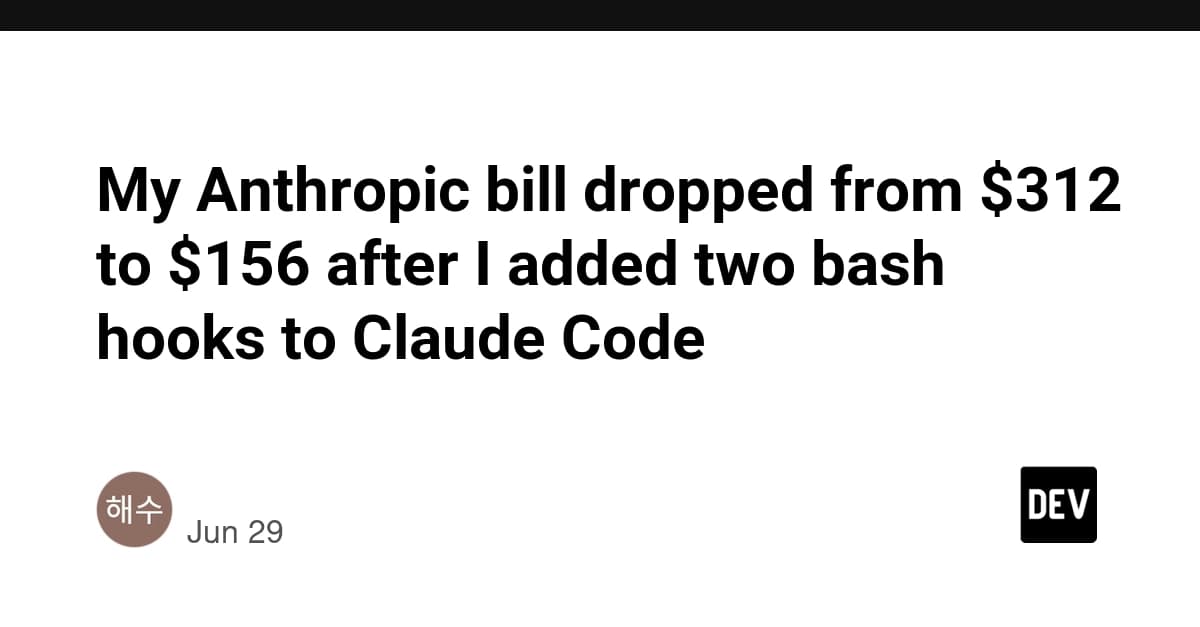
A developer halved their Anthropic bill from $312 to $156 using two Bash hooks for Claude Code. The fix targets a specific failure pattern: when a D1 migration fails, the agent spawns 7–8 retry Bash calls, each burning 40–60K tokens.
Key facts
- 60% of $312 bill from retry spirals.
- Each retry loop burned 40–60K tokens.
- PostToolUse hook intercepts D1 migration failures.
- PreToolUse hook blocks deploys on main branch.
- Six months: zero schema-mismatch incidents.
According to a developer's blog post, 60% of their $312 Anthropic bill came from a single pattern: Claude Code hitting a D1 migration failure, then spinning up 7–8 retry Bash calls trying to diagnose what went wrong. Each loop burned 40–60K tokens. Three or four loops per session, and you're looking at $0.50–$0.70 just evaporating.
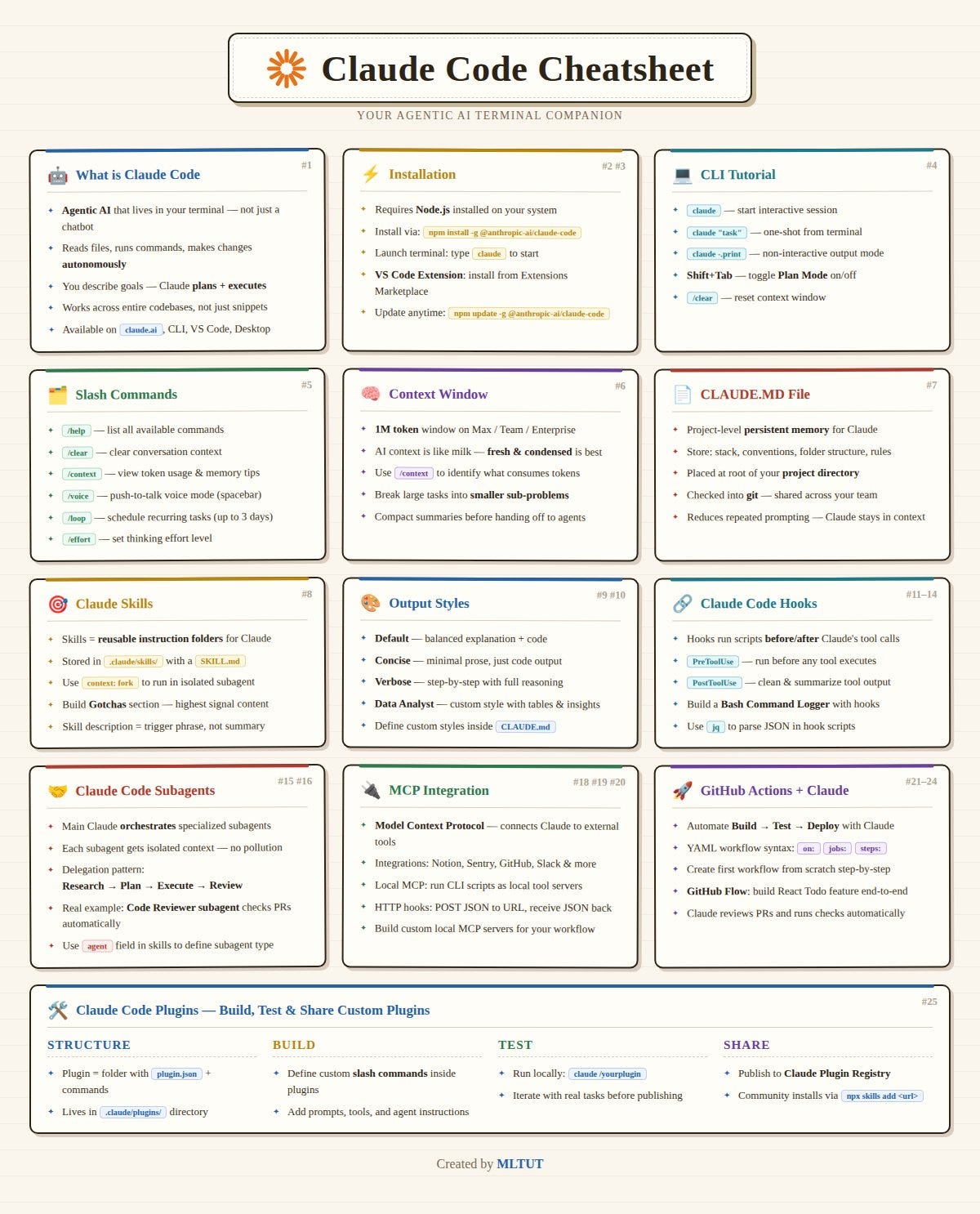
The fix wasn't prompt engineering. It was a PostToolUse hook that fires the moment wrangler d1 migrations apply exits non-zero — before the agent has a chance to start its retry spiral. The hook writes a value to Cloudflare KV, which a Slack bot polls every 3 minutes. When the key flips to 1, the developer gets pinged and can intervene before Claude Code decides to investigate further on their token budget. Six months running this setup: zero schema-mismatch incidents, and the next month's bill came in at $156.
The other half of the chain is a PreToolUse hook that blocks wrangler deploy whenever the agent is on main — learned that one the hard way after a production deploy went out from the wrong branch and left two Workers in a broken state for five minutes. The thing most people miss: when your hook returns exit 2, Claude Code reads whatever you wrote to stderr as context. A vague BLOCK does nothing useful. BLOCK: wrangler deploy on main — use staging namespace instead actually redirects the agent correctly.
There's also a pre-commit hook at the end of the chain that scans staged diffs for hardcoded production binding names and secret key patterns — a last filter before anything reaches git history.
The developer wrote up the full breakdown — including the exact .claude/settings.json structure, how hook matcher patterns work (and where they don't), and the FAQ on execution order guarantees — on riversealab.com.
Why This Matters More Than a Single Bill

This story reveals a structural inefficiency in agentic coding tools: they lack built-in circuit breakers for known failure modes. Claude Code's retry-on-error behavior is a feature for transient issues (network blips, rate limits) but a cost disaster for deterministic failures (schema mismatches, missing dependencies). The developer's fix — a bash hook that intercepts specific exit codes — is a pattern that Anthropic could productize as a first-class guardrail.
Claude Code, introduced in 2025, has seen rapid adoption, with 798 articles on gentic.news covering it. Its hook system, part of the Model Context Protocol (MCP) ecosystem, allows arbitrary pre- and post-tool execution scripts. But the developer's experience shows that most users aren't leveraging hooks for cost control — they're using them for safety, not economics. The $156 monthly saving (50% reduction) suggests that retry spirals are a systemic cost driver across agentic coding workflows.
What to Watch
Watch for Anthropic to add native retry-limit configuration or cost-threshold alerts to Claude Code's settings.json. If the company doesn't ship this by Q3 2026, expect community-built tools like this hook chain to proliferate, potentially becoming a de facto standard for agent cost governance.
Source: dev.to