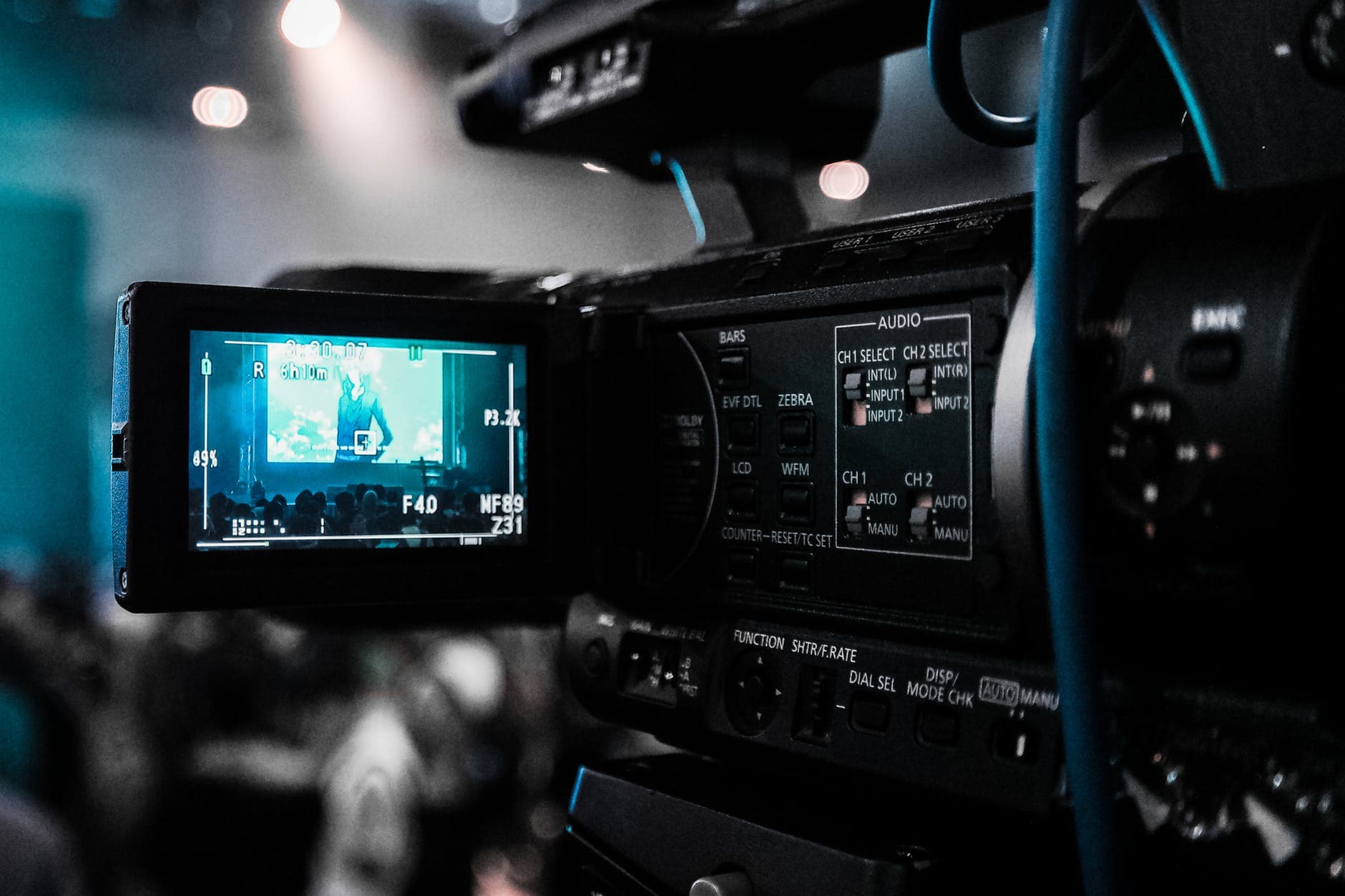
Utopai Studios has officially announced the rollout of PAI, a groundbreaking long-form cinematic AI model specifically engineered for storytellers. This specialized model represents a significant departure from conventional text-to-image or short-form video generators, instead focusing on enabling creators to conceptualize and produce narrative-driven content in extended cinematic formats.
According to the announcement shared via social media, PAI is "built for storytellers who think in scenes and sequences," suggesting a fundamental shift in how AI interfaces with creative professionals. Rather than requiring users to master complex prompt engineering for individual frames, PAI appears designed to understand narrative structure, visual continuity, and cinematic language.
The Evolution of AI in Visual Storytelling
The development of PAI arrives at a pivotal moment in the evolution of generative AI. While platforms like Midjourney, Stable Diffusion, and DALL-E 3 have democratized image creation, and tools like Runway and Pika Labs have advanced video generation, most existing solutions remain optimized for short-form outputs. Creating coherent, long-form visual narratives has required stitching together multiple generations, often resulting in inconsistencies in style, character continuity, and visual pacing.
Utopai Studios appears to be addressing precisely this gap. By focusing on "scenes and sequences," PAI likely incorporates temporal understanding and narrative coherence features that maintain character consistency, environmental continuity, and stylistic unity across extended generations. This approach could fundamentally change how filmmakers, animators, game developers, and digital artists approach pre-visualization, storyboarding, and even final production.
Technical Implications and Capabilities
While Utopai Studios has not yet released detailed technical specifications, the description of PAI as a "long-form cinematic model" suggests several probable capabilities:
Temporal Coherence: Unlike single-image generators, PAI likely maintains consistency across frames, ensuring characters, objects, and environments remain stable throughout sequences.
Narrative Understanding: The model probably interprets prompts in cinematic terms—understanding concepts like establishing shots, close-ups, transitions, and pacing.
Director-Level Control: Creators might be able to specify camera angles, lighting conditions, and movement patterns using cinematic vocabulary rather than technical jargon.
Style Preservation: Maintaining a consistent visual style across potentially thousands of frames would be essential for feature-length or series applications.
This specialized focus positions PAI not as a general-purpose AI tool, but as a professional-grade solution for the entertainment and media industries. The development suggests that AI innovation is moving beyond broad capabilities toward domain-specific excellence.
Industry Impact and Applications
The introduction of PAI could have transformative effects across multiple creative sectors:
Film and Television: Independent filmmakers and major studios alike could use PAI for rapid prototyping, creating animatics, or even generating complete animated sequences. The ability to visualize complex scenes before committing to expensive production could significantly reduce costs and creative risks.
Game Development: Game studios could leverage PAI for creating cinematic cutscenes, character animations, and environmental storytelling elements with unprecedented speed and flexibility.
Advertising and Marketing: Agencies could produce high-quality video content tailored to specific narratives and brand guidelines without the traditional production overhead.
Education and Training: Educational content creators could develop engaging visual narratives to explain complex concepts across various disciplines.
Perhaps most significantly, PAI could democratize high-quality cinematic storytelling, enabling creators with compelling narratives but limited resources to visualize and potentially produce content that previously required studio-level budgets.
Challenges and Considerations
Despite its promising potential, PAI will likely face several challenges:
Computational Requirements: Generating long-form cinematic content demands significant processing power, potentially limiting accessibility for individual creators without substantial resources.
Copyright and Ownership: As with all generative AI, questions about training data, derivative works, and intellectual property will require careful navigation.
Creative Authenticity: Some traditional filmmakers may question whether AI-generated cinematic content can achieve the emotional depth and intentionality of human-directed work.
Technical Limitations: Maintaining perfect continuity across extremely long sequences remains a formidable technical challenge, particularly for complex interactions and dynamic scenes.
Utopai Studios will need to address these concerns while demonstrating that PAI enhances rather than replaces human creativity.
The Future of AI-Assisted Storytelling
PAI represents more than just another AI tool—it signals a maturation of generative AI toward specialized, professional applications. As AI models become increasingly domain-specific, we can expect similar specialized tools for scientific visualization, architectural design, medical imaging, and other fields where visual narrative plays a crucial role.
The success of PAI will likely inspire further innovation at the intersection of AI and creative industries, potentially leading to integrated ecosystems where AI handles technical execution while humans focus on narrative vision, emotional resonance, and artistic direction.
Utopai Studios' announcement comes as competition in the AI video space intensifies, with major players like OpenAI, Google, and Meta all developing increasingly sophisticated video generation capabilities. By focusing specifically on cinematic storytelling, Utopai may have carved out a valuable niche that addresses professional creators' specific needs rather than chasing general consumer applications.
Source: Utopai Studios announcement via @hasantoxr on X (formerly Twitter)