What's New — Faithful summary of the source
Microsoft's AI Toolkit for VS Code has added a significant capability to its Tool Catalog: it can now scaffold a fully functional Model Context Protocol (MCP) server in either Python or TypeScript. This isn't just a skeleton project—the generated template handles the essential plumbing including transport layer setup, server registration, and configuration management. According to hands-on testing reported by Visual Studio Magazine, the generated server works correctly through the MCP Inspector, validating that the scaffolding produces production-ready foundations.
How It Works — Technical details, API changes, workflow impact
The Tool Catalog appears as a dedicated panel within the AI Toolkit extension. When creating a new MCP server, developers select their preferred language (Python or TypeScript) and receive a project structure with:
- Transport implementation: HTTP/SSE or stdio transport already configured
- Resource and tool registration: Basic patterns for defining MCP resources and tools
- Configuration management: Proper MCP server configuration files
- Dependency management:
requirements.txtfor Python orpackage.jsonfor TypeScript with necessary MCP SDK dependencies
Here's what the basic structure looks like for a Python server:
# Generated by AI Toolkit - Tool Catalog
from mcp.server import Server, NotificationOptions
import mcp.server.stdio

app = Server("my-custom-tool")

@app.list_resource("greetings")
async def list_greetings() -> list:
    return [{
        "uri": "greeting://hello",
        "name": "Hello greeting",
        "description": "A friendly hello greeting",
        "mimeType": "text/plain"
    }]

@app.read_resource("greetings")
async def read_greeting(uri: str) -> str:
    return "Hello from my MCP server!"

if __name__ == "__main__":
    mcp.server.stdio.run(app)
The testing revealed some friction when using the generated server with Agent Builder for debugging—specifically extension-host hangs. However, the same tool worked smoothly through a simpler Copilot Chat workflow, suggesting developers might prefer direct integration testing over the full Agent Builder suite for initial development.
Practical Takeaways — What developers should do differently
Start building custom MCP tools now: If you've been putting off creating MCP integrations because of boilerplate complexity, the barrier is now essentially zero. The Tool Catalog handles the repetitive infrastructure code.
Choose your testing workflow carefully: While the generated servers work with MCP Inspector, you might encounter issues with Agent Builder. Consider testing through Copilot Chat first, then moving to more complex debugging scenarios.
Focus on domain logic, not protocol details: With transport and registration handled, you can concentrate on what makes your tool unique—whether that's querying internal APIs, processing domain-specific data, or integrating with proprietary systems.
Consider both language options: Python offers rapid prototyping with rich AI/ML libraries, while TypeScript provides better type safety and integration with existing web development workflows. The Tool Catalog supports both equally.
Broader Context — How this fits into the AI coding tools landscape
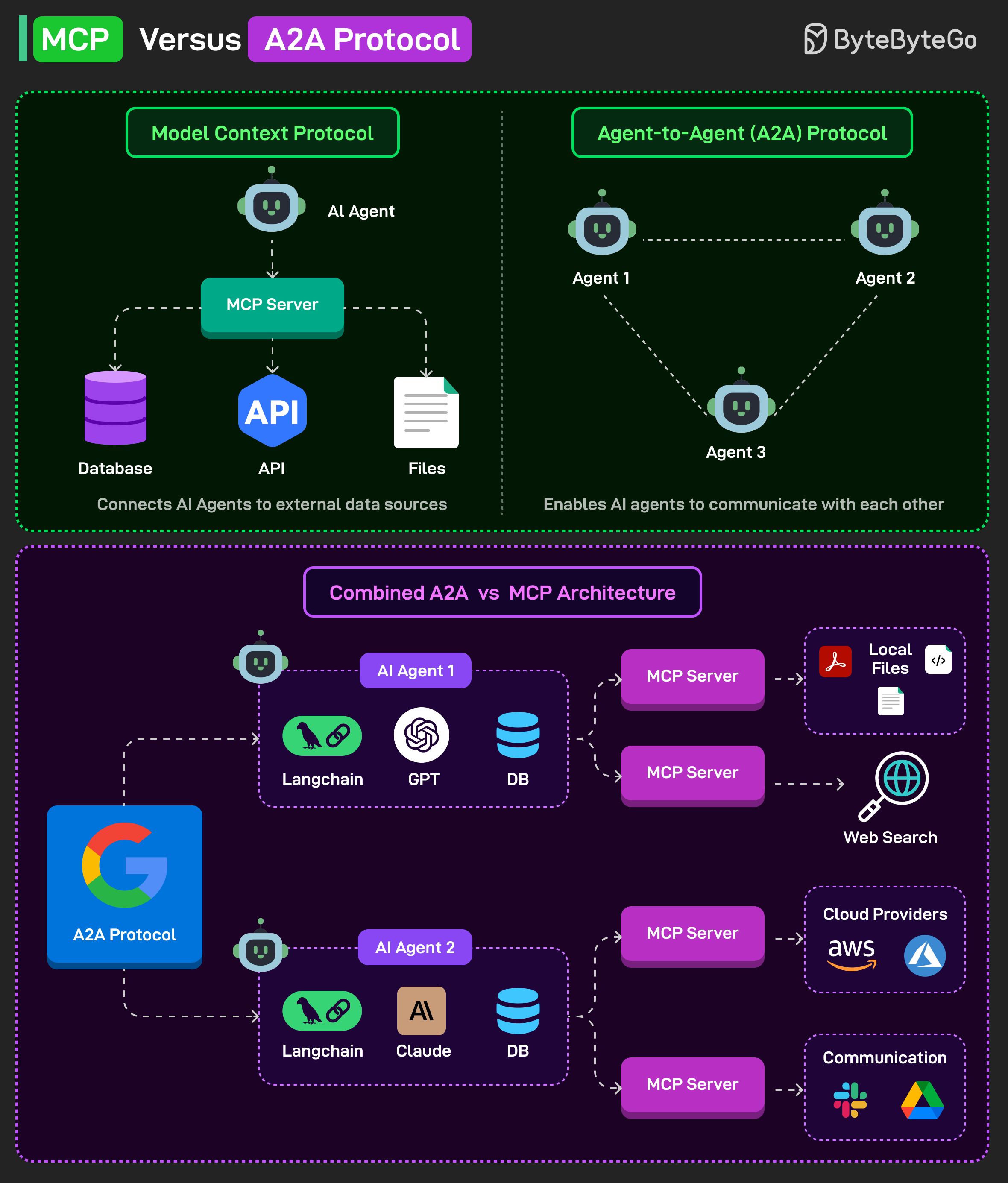
This development represents Microsoft's continued investment in making MCP a first-class citizen within their AI ecosystem. While Anthropic created the MCP standard, Microsoft is building the tooling to make it accessible to mainstream developers. This mirrors similar efforts from Google with their MCP Toolbox for Databases, but with a focus on VS Code integration rather than cloud services.
Compared to Cursor's approach (which has excellent MCP client support but less emphasis on server creation), the AI Toolkit's Tool Catalog fills a different niche—enabling developers to become MCP providers, not just consumers. This is crucial for organizations wanting to expose internal tools and data to AI assistants without relying on third-party integrations.
The timing is significant given Google's recent removal of rate limits and free access to the Gemini API (March 2026). As AI models become more accessible, the value shifts to the tools and integrations that connect them to real workflows. Microsoft's scaffolding tool lowers the activation energy for creating those integrations within the VS Code ecosystem where many developers already work.
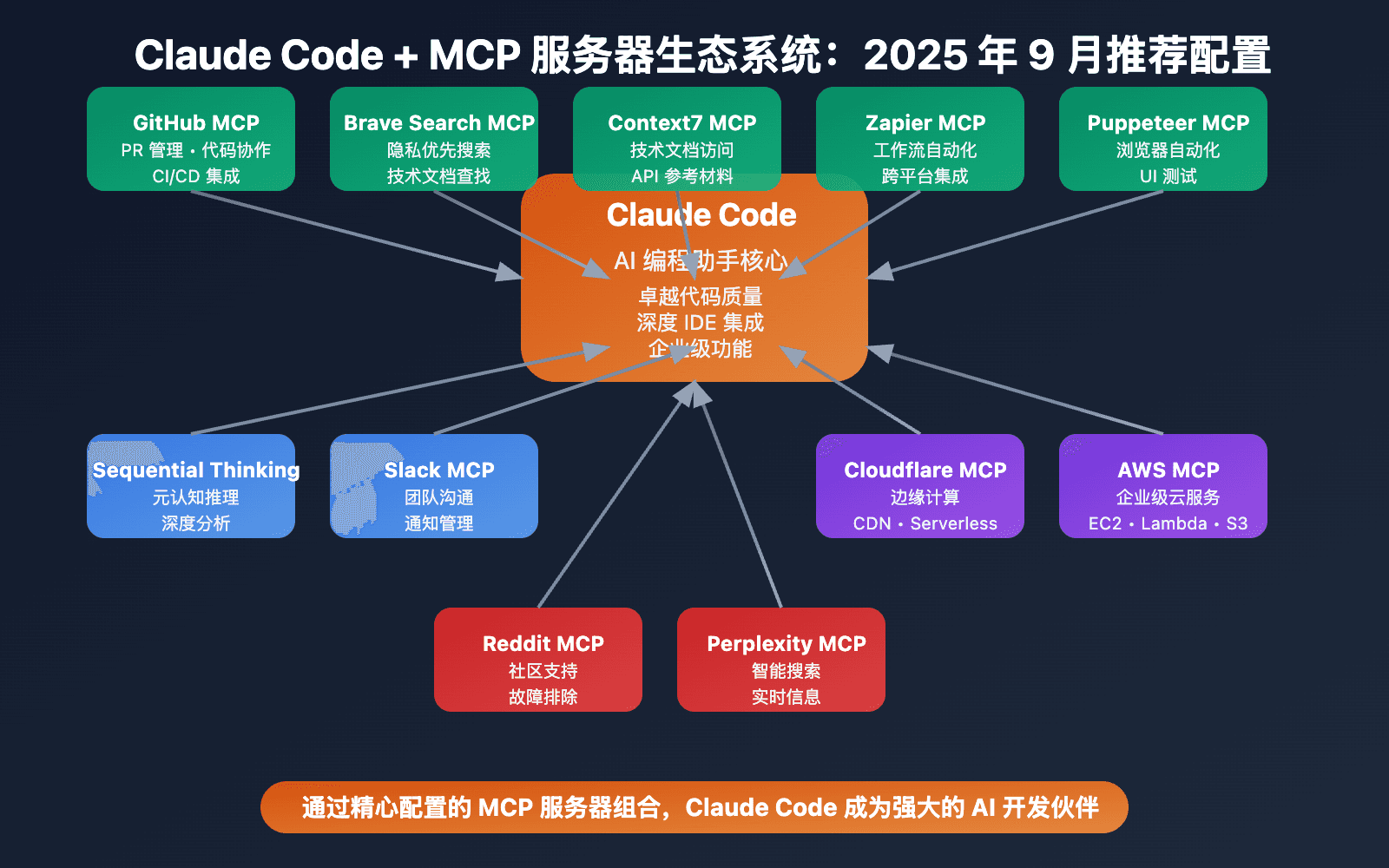
For teams already using Claude Code or GitHub Copilot, this means you can now build custom extensions that work across multiple AI assistants through the standardized MCP interface, rather than being locked into a single vendor's extension API.