What Changed — A Leak Reveals 'Mythos'
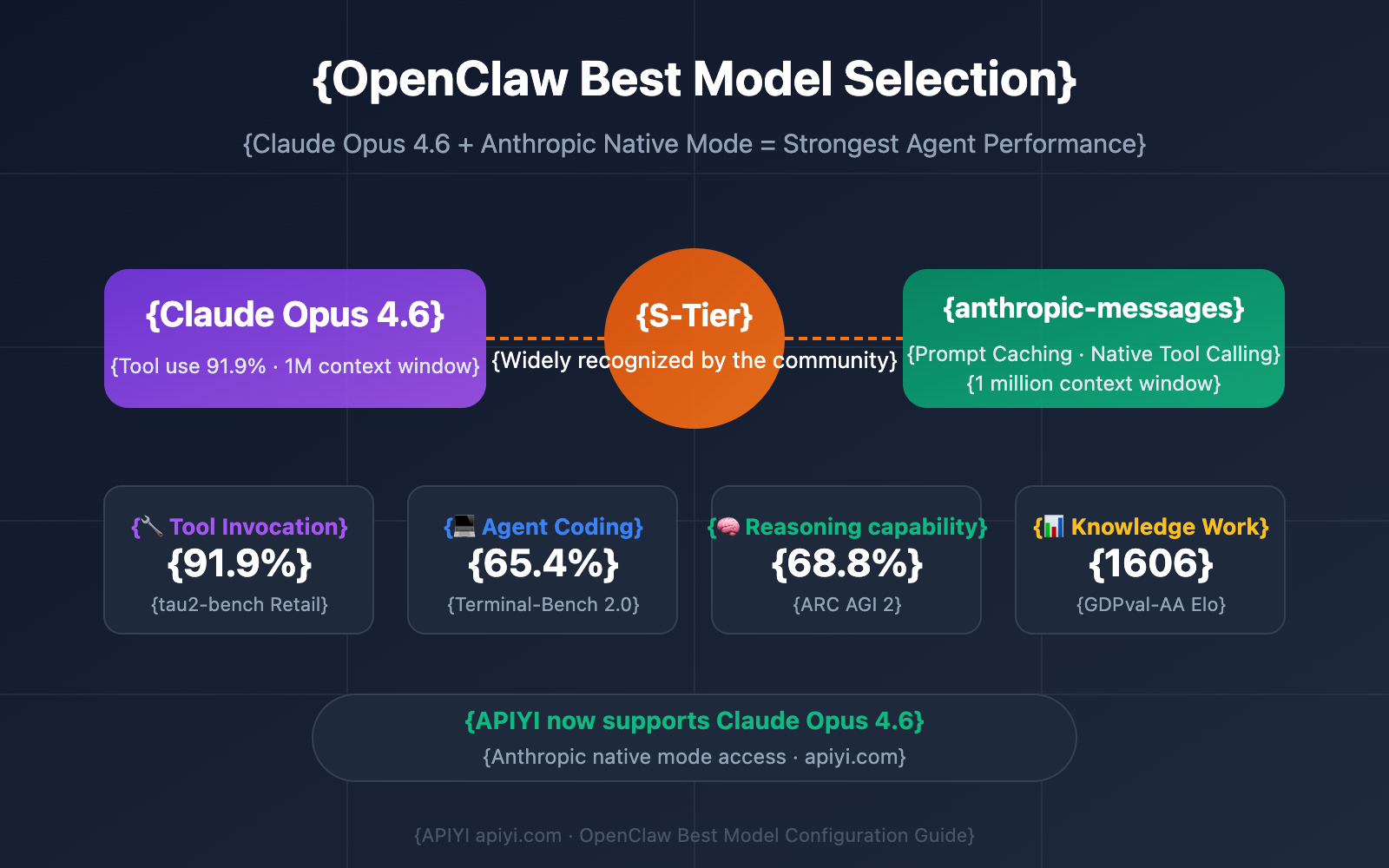
According to a report by Fortune, Anthropic has acknowledged testing a new, powerful AI model internally codenamed 'Mythos' after an accidental data leak revealed its existence. The company described it as representing a 'step change' in capabilities. While details are scarce, the acknowledgment confirms Anthropic is actively developing a successor to its current flagship models, like Claude Opus 4.6, which powers much of Claude Code's reasoning today.
What It Means For Your Claude Code Workflow
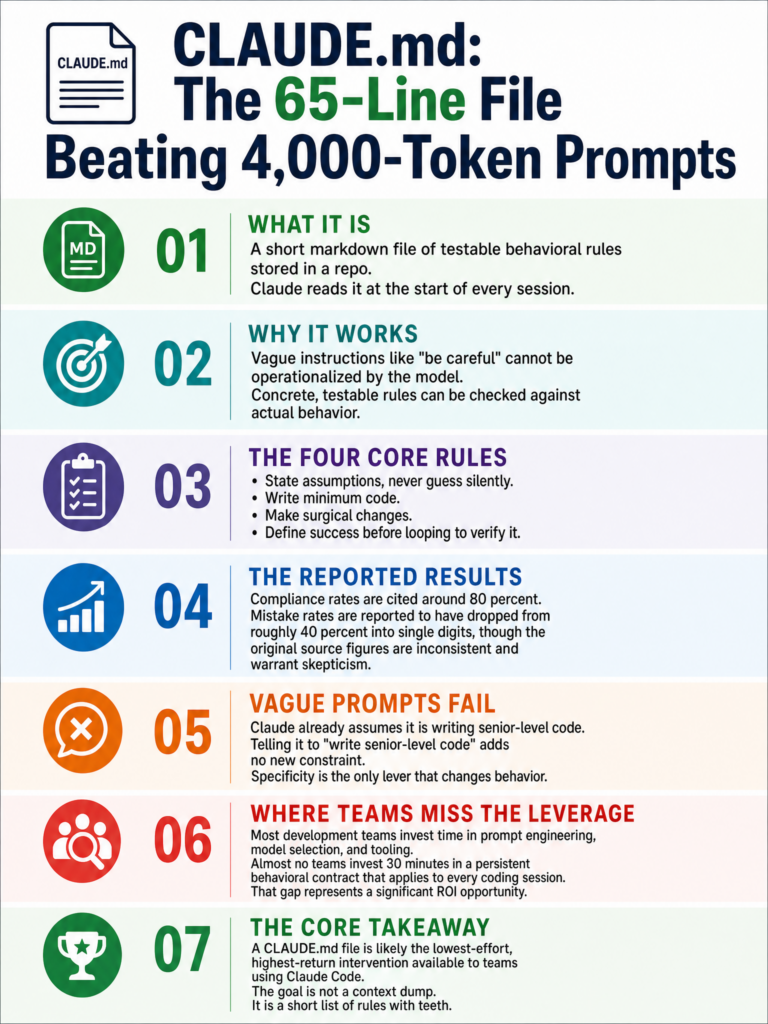
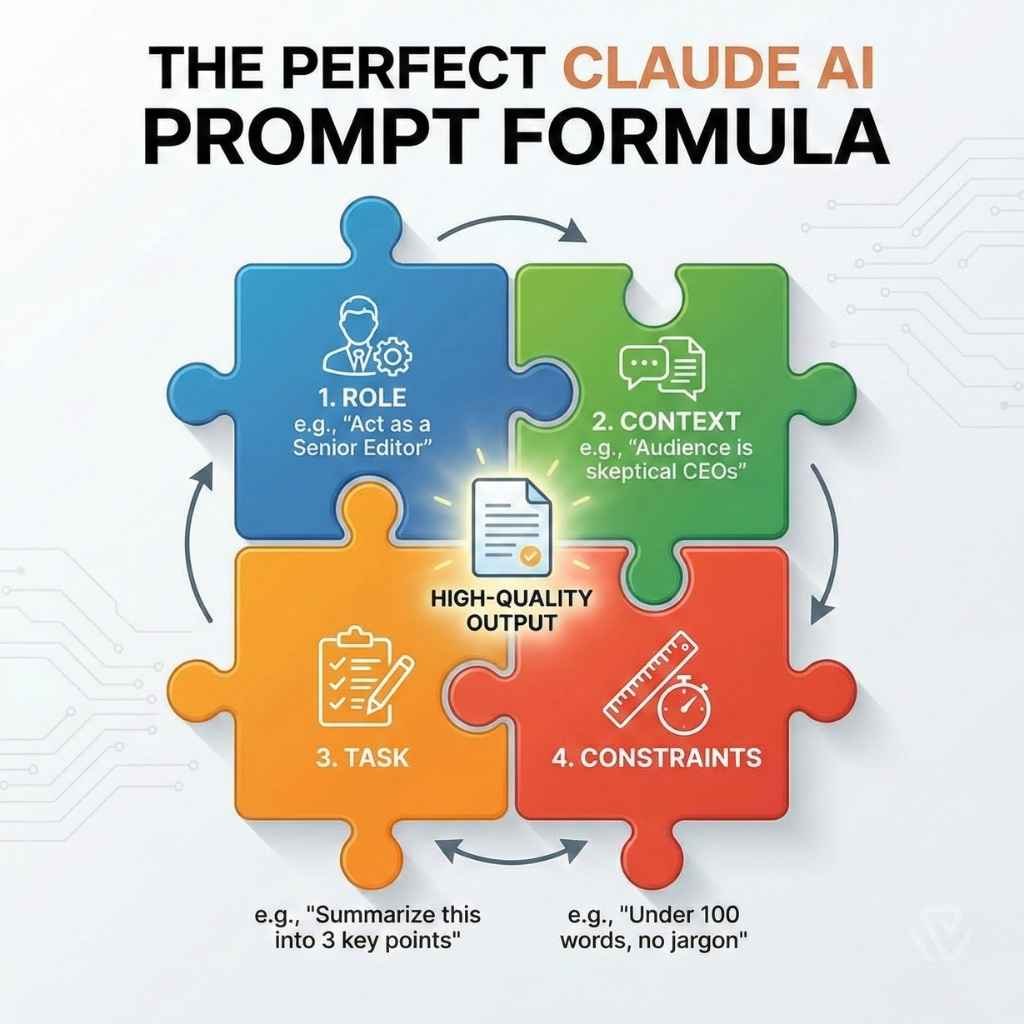
Every major model upgrade from Anthropic—from Sonnet to Opus—has fundamentally shifted how developers should interact with Claude Code. A 'step change' suggests improvements in areas critical to coding agents: complex reasoning, long-context understanding, and tool use accuracy. This follows Anthropic's recent introduction of 'long-running Claude' for scientific computing and the expansion of Claude Code's Auto Mode preview in late March 2026. If Mythos delivers, tasks that currently require careful step-by-step prompting in CLAUDE.md might become single-command operations. Conversely, overly verbose or restrictive prompts might start to limit the model's new, more autonomous capabilities.
How To Prepare Your Setup Now
Don't wait for the official release. Proactive developers can structure their workflows today to seamlessly benefit from a more capable model tomorrow.
Audit Your
CLAUDE.mdfor Over-Specification:
Look for prompts that micromanage the model with excessive- Step 1, Step 2instructions. Mythos will likely excel at planning. Rewrite these to state the goal and constraints, not the procedure.// BEFORE (Over-specified): - Read api_schema.json - Extract all POST endpoints - For each, write a Python test function in test_api.py // AFTER (Goal-oriented): Generate a comprehensive Python test suite for the API defined in api_schema.json. Ensure all POST endpoints have validation tests and error handling.Consolidate Memory with
/dream:
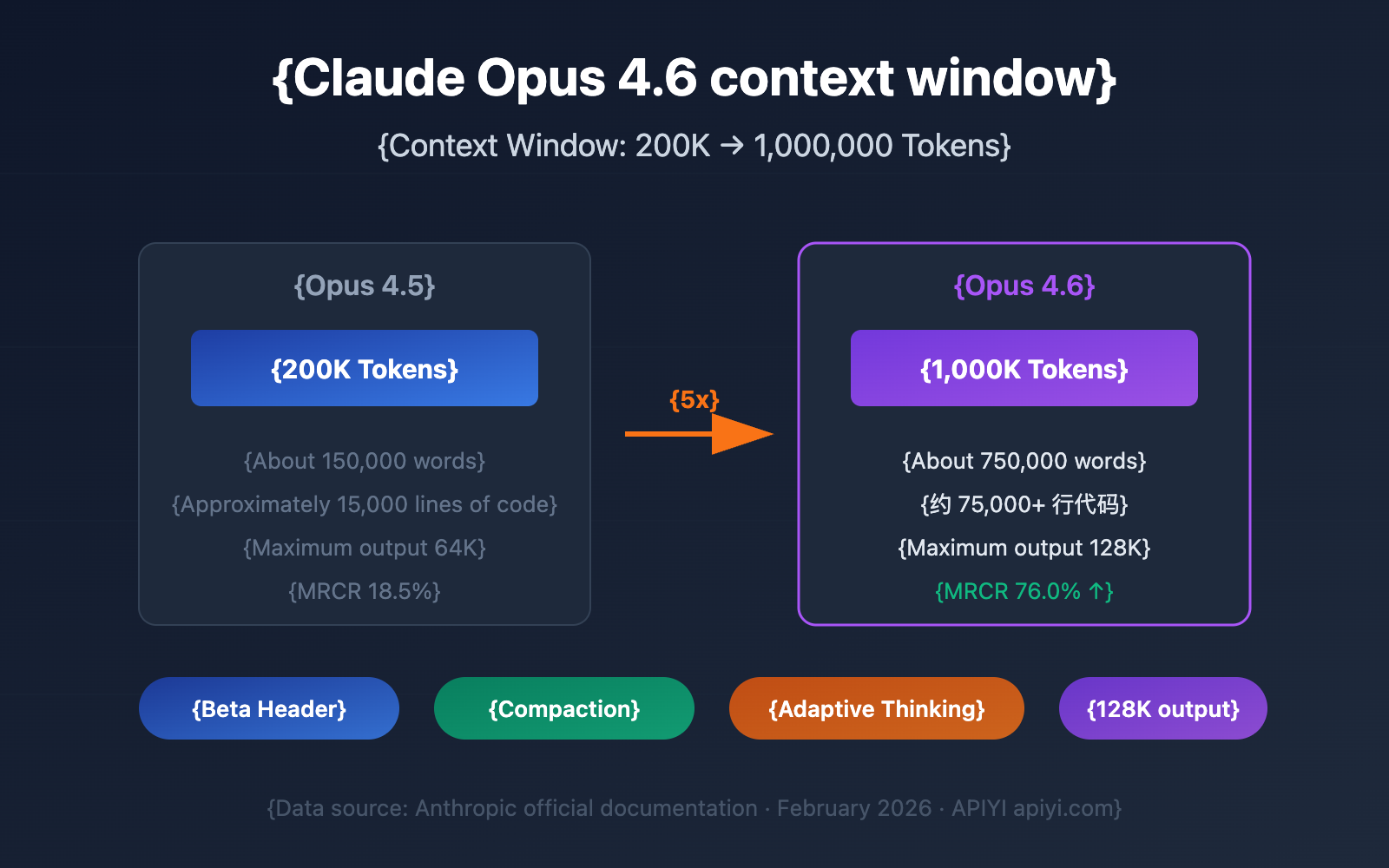
A model with better long-context recall will make even better use of Claude Code's memory. Use the/dreamcommand regularly to consolidate insights from your session history. This creates a dense knowledge base for the future model to query.claude code /dream --session "Refactor project X for modularity"Stress-Test Your MCP Servers:
More capable models use tools more aggressively. Ensure your critical Model Context Protocol (MCP) servers—like those for browsing, database queries, or internal APIs—are robust and have clear error handling. A model that tries more complex tool chains will expose brittle integrations.Embrace Auto Mode for Exploration:
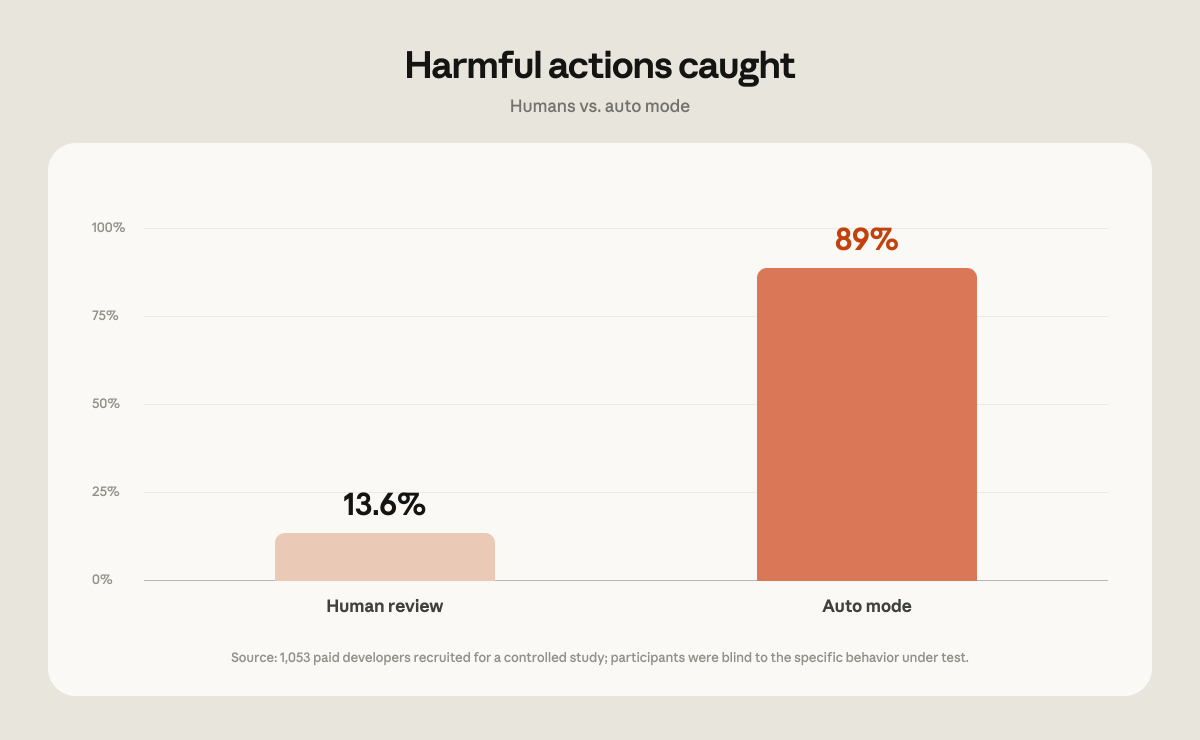
If you've been hesitant to use Claude Code's Auto Mode preview, start experimenting now. Auto Mode is designed to let the model take extended, multi-step actions. Familiarizing yourself with its patterns and safeguards is the best training for working with a more autonomous agentic model.