Key Takeaways
- Zalando invests in Sereact's physical AI for warehouse robotics, bringing Series B to $116 million.
- This validates Cortex, an AI OS for robots handling fashion logistics, with 200+ systems live across Europe.
What Happened
Zalando, Europe's leading technology platform for fashion and lifestyle, has made a strategic investment in Sereact, a provider of physical AI for warehouse robotics and manufacturing. The investment brings Sereact's Series B funding round to $116 million, with Zalando joining existing investors including Headline, BullhoundCapital, Daphni, FelixCapital, and others.
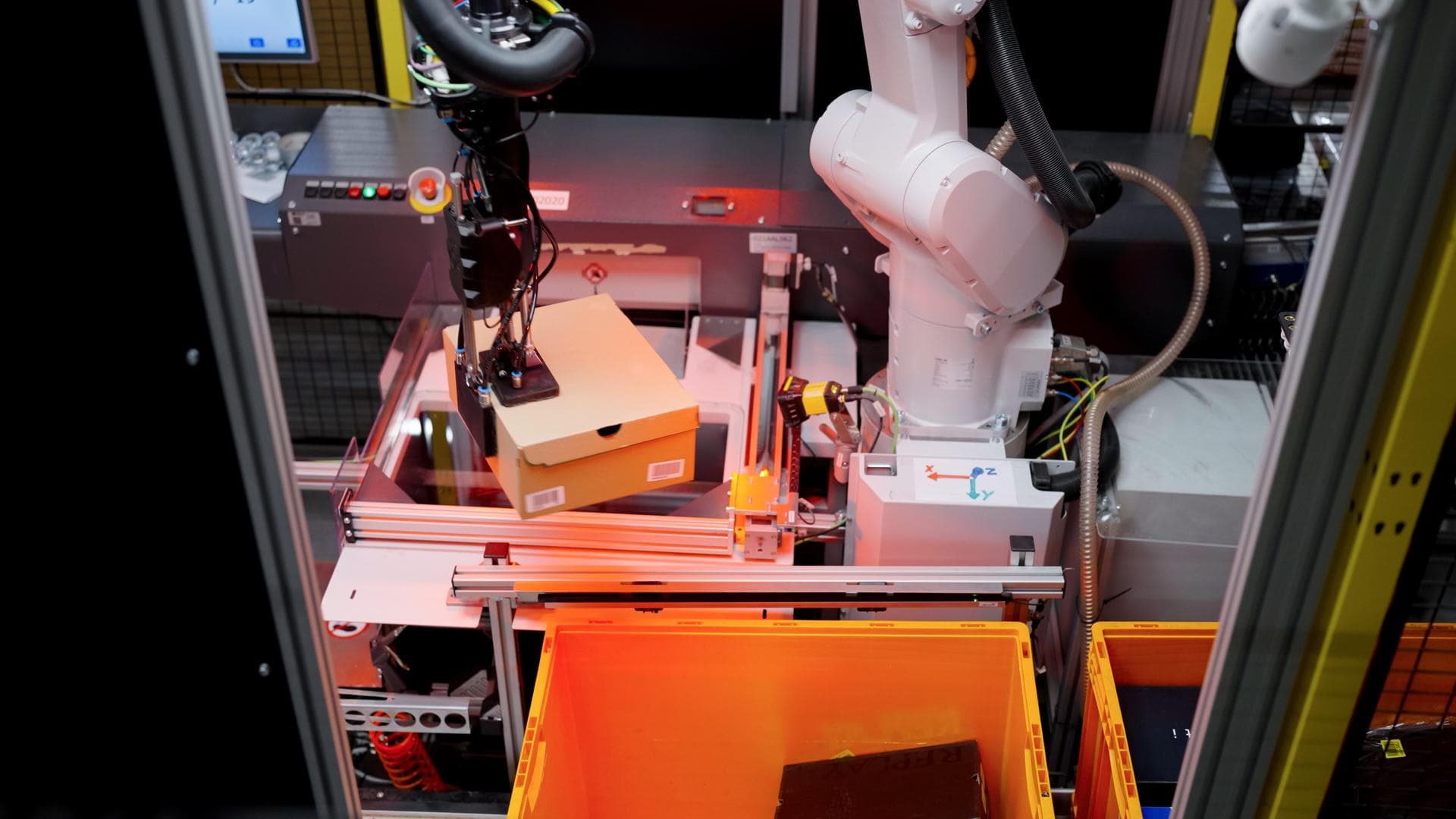
Sereact's core technology is Cortex, a universal AI operating system that can run across multiple hardware forms such as single-arm picking cells, dual-arm return stations, and humanoid robots. The company reports that over 200 Cortex systems are already live across Europe, serving customers including Daimler Truck, Mercedes-Benz, and BMW.
Technical Details
Cortex is described as a "universal AI operating system" that enables robots to perform complex warehouse tasks like picking items and processing returns. The next generation, Cortex 2.0, promises to anticipate physical outcomes, project trajectories of risks and efficiencies, and "plan movements before the robot even acts." This represents a shift from reactive robotic control to predictive, proactive physical AI.
The technology is designed to be hardware-agnostic, meaning it can work across different robot form factors—from single-arm picking cells to humanoid robots—making it adaptable for diverse warehouse environments.
Retail & Luxury Implications
For Zalando, which serves over 62 million active customers across 29 markets with more than 7,000 brands, efficient logistics is critical. Physical AI in warehouses can:

- Reduce order processing times by automating picking and packing
- Improve returns handling through automated sorting and inspection
- Enable 24/7 operations without human fatigue
- Adapt to seasonal peaks more flexibly than human-only labor
Masood Choudhry, Zalando's senior vice president for logistics, stated: "This strategic investment underscores Zalando's commitment to supporting European technology companies, driving industry innovation, and shaping the standards of modern e-commerce."
Business Impact
While Sereact has not disclosed specific ROI figures, the fact that 200+ systems are live with major automotive and logistics customers suggests the technology has passed initial production validation. The investment from a fashion e-commerce leader like Zalando signals confidence in physical AI's ability to address the unique demands of fashion logistics—where items vary widely in size, shape, and fragility.

For luxury retailers, the implications are particularly interesting: physical AI that can handle delicate items, irregular packaging, and high-value returns could transform warehouse operations without requiring massive hardware overhauls.
Implementation Approach
Sereact's hardware-agnostic approach means retailers could potentially integrate Cortex with existing robotic systems rather than replacing entire fleets. The company emphasizes that its AI is trained on "real production data from live deployments," which suggests the system improves over time as it processes more items.

Governance & Risk Assessment
Physical AI in warehouses raises several considerations:
- Safety: Human-robot collaboration requires robust safety protocols
- Data privacy: Cameras and sensors capture operational data that must be protected
- Job displacement: Automation may reduce demand for warehouse workers
- Maturity level: While deployed, the technology is still early-stage for broad retail adoption
Sereact's approach of starting with automotive and now moving into fashion suggests a measured, industry-by-industry rollout strategy.
Source: wwd.com